
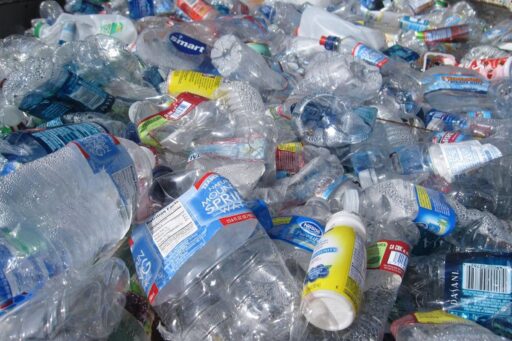
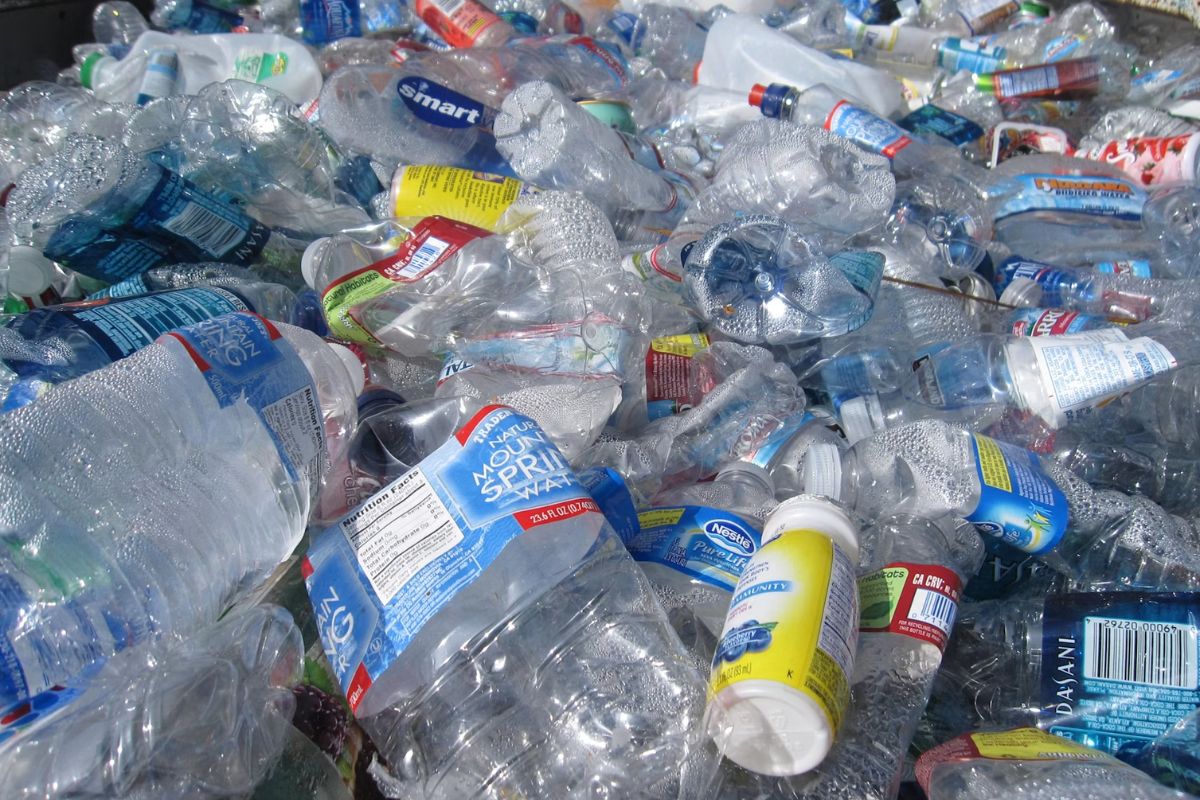

You head to the grocery store for a few items and come home with several plastic bags, wrapped produce, bottled drinks, and packaged snacks. None of those choices seemed unusual on their own, but together they create more plastic waste than most people realize.
If you’re looking for how to reduce plastic use, this guide shares practical ideas you can start using today, along with simple swaps that fit naturally into everyday life.
Why Reducing Plastic Matters
Learning how to reduce single use plastic isn’t about eliminating plastic completely. It’s about reducing unnecessary waste where possible. Even small changes can have a lasting impact when repeated over time.
- Less plastic waste ends up in landfills
Choosing reusable items instead of disposable ones means fewer plastic products are thrown away after a single use.
- Fewer plastics reach rivers and oceans
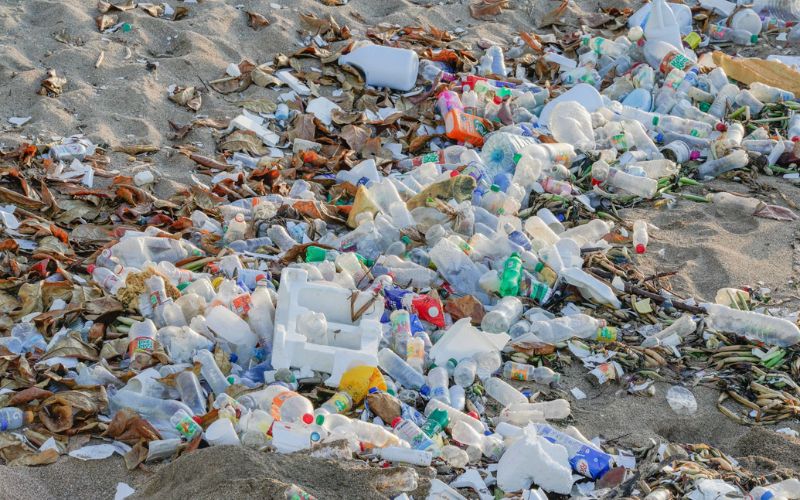
Reducing plastic waste lowers the chance of bottles, bags, and other items ending up in waterways where they can affect wildlife and natural habitats.
- Lower demand for single-use products
Every reusable bottle, shopping bag, or food container replaces many disposable alternatives over its lifetime. This helps reduce the demand for products that are used only once.
- Small daily changes add up over time
Bringing a reusable coffee cup once may seem insignificant, but doing it several times each week can prevent hundreds of disposable cups from being used over the course of a year.
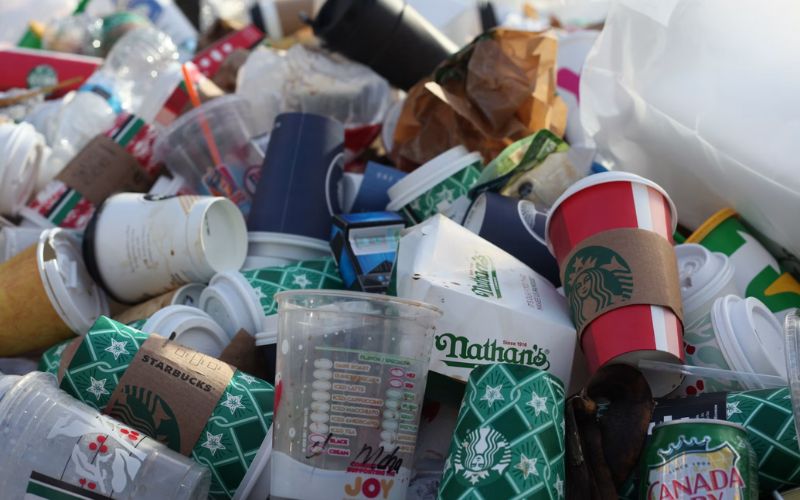
How to Reduce Plastic Use in Everyday Life
Reducing plastic use does not require major lifestyle changes. A few practical swaps in your daily routine can help cut waste and create more sustainable habits over time.
Carry reusable shopping bags
Keep reusable bags in your car, backpack, or near the front door so they’re ready whenever you shop. Having them within reach makes it much less likely you’ll need disposable plastic bags.
Use a reusable water bottle and coffee cupInstead of buying bottled drinks every day, carry a refillable bottle or travel mug. Besides reducing plastic waste, it can also save money over time.
Choose reusable food containers
Store leftovers in glass or durable reusable plastic containers instead of disposable bags, foil, or single-use wrapping whenever practical. Reusable containers can reduce household waste, keep food organized, and provide a more secure seal that helps maintain freshness.
Choose containers that are food-safe, easy to clean, and suitable for the refrigerator, freezer, or microwave as needed. Replace any plastic containers that become cracked, warped, or heavily scratched.
Skip single-use straws and cutlery
If you’re ordering takeout, decline plastic straws, forks, spoons, and knives unless you truly need them. Many restaurants already allow customers to request only the items they’ll use. Making this small switch can help how to reduce plastic use with little effort.
Buy products with less packaging
When comparing similar products, take a quick look at the packaging. Choosing larger containers, refill packs, or products with minimal packaging can reduce the amount of plastic you bring home.
Shop in bulk when possible
Buying grains, nuts, coffee, or household products in bulk often uses less packaging than purchasing multiple smaller packages. If your local store allows it, bring reusable containers or bags for bulk items.
Bring your own produce bags
Replace disposable plastic produce bags with reusable mesh or cloth alternatives when shopping for fruits and vegetables. These bags are lightweight, washable, and easy to keep with your reusable grocery bags, so they are ready whenever you shop.
Choosing reusable produce bags can reduce single-use plastic waste while still keeping loose items organized and easy to carry.
Switch to refillable household products
Some soaps, cleaning products, and personal care items are available as refill packs or through refill stations. Using the same bottle multiple times helps reduce unnecessary plastic packaging.
Choose glass, metal, or paper alternatives when appropriate
How to reduce plastic use doesn’t mean replacing everything. Focus on products that already have practical alternatives.
For example:
- Glass food storage containers
- Stainless steel water bottles
- Metal razors
- Paper packaging for certain products
The goal isn’t perfection, it’s choosing alternatives where they fit your lifestyle.
Reuse and recycle plastic correctly
Even when plastic can’t be avoided, using it more than once and recycling it properly can help reduce waste. Check your local recycling guidelines, since accepted materials may vary between communities.
>>> You might be interested in: How To Dry Flowers: 6 Easy Methods To Preserve Their Beauty
Easy Plastic Swaps for Different Areas of Your Home
One of the easiest ways to practice how to reduce plastic use is to replace disposable items gradually. You don’t have to change everything overnight. Swapping one product at a time is often more realistic and easier to maintain.
| Area | Instead of | Try |
| Kitchen | Plastic wrap | Reusable food wraps or food containers |
| Bathroom | Disposable razors | Safety razor or reusable razor |
| Grocery shopping | Plastic bags | Cloth tote bags or reusable shopping bags |
| Drinks | Single-use plastic bottles | Refillable water bottle |
| Lunch | Disposable utensils | Reusable utensils or a travel cutlery set |
Common Challenges and How to Overcome Them
Changing everyday habits isn’t always easy. If you’re learning how to reduce plastic use, you’ll probably run into a few obstacles along the way. The key is finding solutions that fit your routine rather than trying to be perfect.
- Forgetting reusable items
A simple solution is to keep shopping bags in your car, leave a reusable bottle in your backpack, or store a travel mug near the door. Making these items part of your daily routine reduces the chances of leaving them behind.
- Higher upfront costs
A practical way to reduce plastic use is to replace disposable items gradually. Reusable products may cost more initially, but their longer lifespan can make them a better value.
- Limited plastic-free options
Cutting back on excess packaging is often more practical than finding perfect replacements. Even choosing a larger refill pack instead of several smaller containers can make a difference.
- Convenience of disposable products
One way to make reusable products just as convenient is to prepare ahead. For example, keeping a reusable shopping bag folded in your purse or carrying your own water bottle makes the sustainable option just as easy to choose.
FAQs
How can families reduce plastic waste?
Families can start with small household habits, such as using reusable shopping bags, refillable water bottles, washable food containers, and reusable lunch boxes. Involving children in simple activities like sorting recycling or bringing reusable bags can also make these habits part of everyday life.
How do businesses reduce plastic use?
Businesses can reduce plastic waste by offering refill stations, using recyclable or reusable packaging, replacing disposable breakroom items with reusable alternatives, and ordering supplies with less packaging.
Is recycling enough to solve plastic pollution?
Recycling helps, but it isn’t the only solution. Reducing unnecessary plastic use and reusing products whenever possible often have a bigger impact because they prevent waste from being created in the first place.
What are 10 ways to reduce plastic?
Here are ten practical ideas:
- Carry reusable shopping bags.
- Use a reusable water bottle.
- Bring a reusable coffee cup.
- Choose reusable food containers.
- Skip disposable straws.
- Buy products with less packaging.
- Shop in bulk when possible.
- Bring reusable produce bags.
- Switch to refillable household products.
- Reuse and recycle plastic correctly.
What are 5 ways to reduce plastic for kids?
Children can help reduce plastic waste by:
- Bringing a reusable water bottle to school.
- Using a reusable lunch box instead of disposable bags.
- Carrying reusable shopping bags with their family.
- Recycling plastic correctly at home.
- Choosing toys or school supplies with less plastic packaging when possible.
Conclusion
Learning how to reduce plastic use doesn’t require changing every part of your lifestyle at once. The biggest difference often comes from small habits repeated consistently, such as carrying a reusable bottle, choosing products with less packaging, or bringing your own shopping bags.