

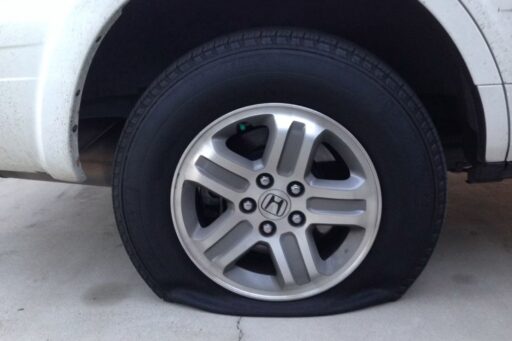
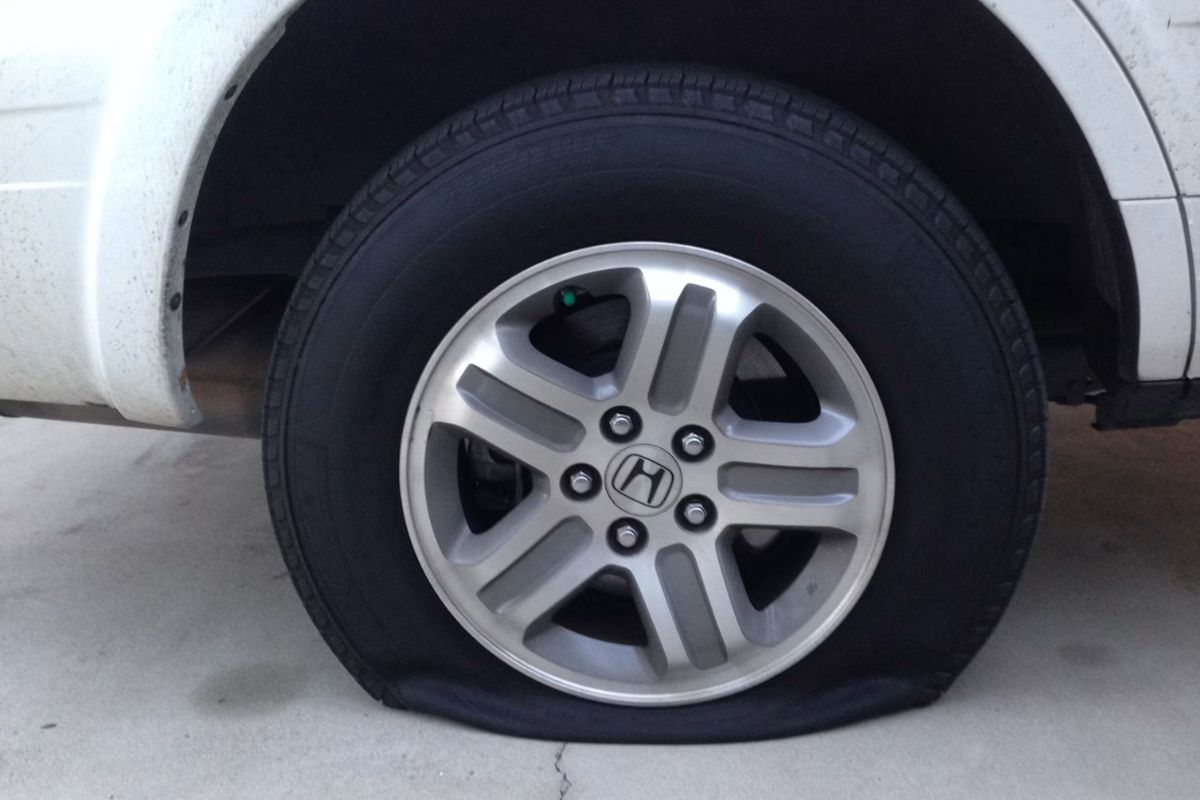

You’re driving home after work when the steering wheel suddenly feels heavy, and your car starts pulling to one side. You pull over, step outside, and immediately notice the problem, a flat tire.
If you’ve been searching how to change a flat tire, this guide walks you through every step safely, explains when you shouldn’t attempt the repair yourself, and shares simple habits that can help prevent future flats.
Before You Begin to Change a Flat Tire
Before learning how to change a flat tire, make sure the vehicle is parked in a safe, stable location away from traffic.
Secure the Vehicle
Slow down gradually, pull onto a flat surface, and turn on your hazard lights. Shift an automatic vehicle into Park or leave a manual vehicle in First Gear or Reverse. Then apply the parking brake and place wheel wedges behind the tires to prevent rolling.
Gather the Necessary Tools
You will typically need:
- A properly inflated spare tire
- Car jack
- Lug wrench
- Wheel wedges or blocks
- Vehicle owner’s manual
- Flashlight and gloves
- Tire pressure gauge
Check the owner’s manual for the correct lifting points and any vehicle-specific instructions. Never attempt to change a tire on a steep slope, soft ground, or directly beside fast-moving traffic.
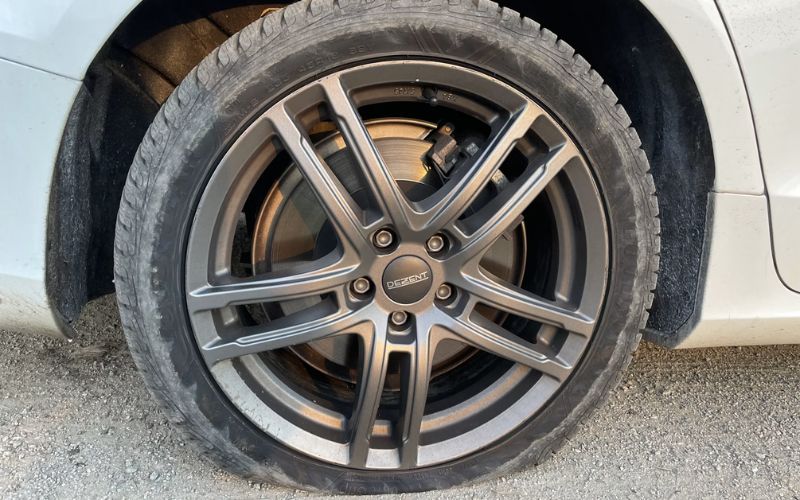
How to Change a Flat Tire: Step-by-Step Guide
Once your vehicle is safely parked and your tools are ready, follow these steps to change a flat tire correctly.
Step 1: Loosen the lug nuts
Before lifting the vehicle, slightly loosen each lug nut. Use the lug wrench to turn each nut counterclockwise about one-quarter to one-half turn. Don’t remove them completely yet. Keeping the tire on the ground provides resistance, making the lug nuts much easier to loosen.
Step 2: Lift the vehicle
Position the jack beneath the correct lifting point listed in your owner’s manual. Lift the vehicle gradually until the damaged tire clears the ground by a few inches. Never go underneath a car that’s held up only by a jack.
Step 3: Remove the damaged tire
One of the next steps in how to change a flat tire on a car is removing all the lug nuts and setting them aside in a safe place. Pull the tire straight off, and if it’s stuck, gently wiggle it until it loosens.
This is often the step where first-time drivers realize changing a flat car tire is easier than it initially appears.
Step 4: Install the spare tire
Line up the spare tire’s bolt holes with the wheel studs. Push the tire firmly into place. Thread each lug nut by hand before tightening them lightly with the wrench. Hand-threading first helps avoid cross-threading, which can damage the wheel studs.
Step 5: Tighten the lug nuts correctly
A key part of how to change a flat car tire step by step is tightening the lug nuts evenly. Follow a star or crisscross sequence instead of fully tightening them one at a time.
Step 6: Lower the car and inspect your work
Slowly lower the vehicle until the tire is fully supporting the car’s weight. Now tighten each lug nut firmly using the same star pattern. Take one final walk around the vehicle.
Check that:
- All lug nuts are tightened.
- The spare tire sits evenly.
- No tools remain beneath the vehicle.
- The damaged tire is stored securely.
Congratulations, you’ve successfully completed safely.
>>> Read more: How To Waterproof A Tent and Prevent Leaks: 3 Useful Methods
What to Do After Changing a Flat Tire
Knowing how to change a flat tire doesn’t end once the new tire is installed. A few final checks can help keep you safe when you get back on the road.
Check the tire pressure
Many spare tires gradually lose air while sitting unused. Use a tire pressure gauge to verify the spare matches the manufacturer’s recommended pressure. Driving on an underinflated spare reduces stability and increases wear.
Drive carefully on a spare tire
Most temporary spare tires are designed for limited speeds and short distances. Follow the restrictions printed on the tire and avoid sudden braking, sharp turns, rapid acceleration, or highway speeds whenever possible. Pay attention to unusual vibrations, pulling, or noises while driving.
Visit a tire shop as soon as possible
A spare tire is a temporary solution. A tire technician can determine whether the damaged tire can be repaired or needs replacement. Ignoring the issue for too long may affect handling and overall safety.
Store your tools properly
Before continuing your trip, return the jack, lug wrench, and other tools to their proper storage locations. This prevents equipment from moving around inside the vehicle while driving.
When You Shouldn’t Change a Tire Yourself
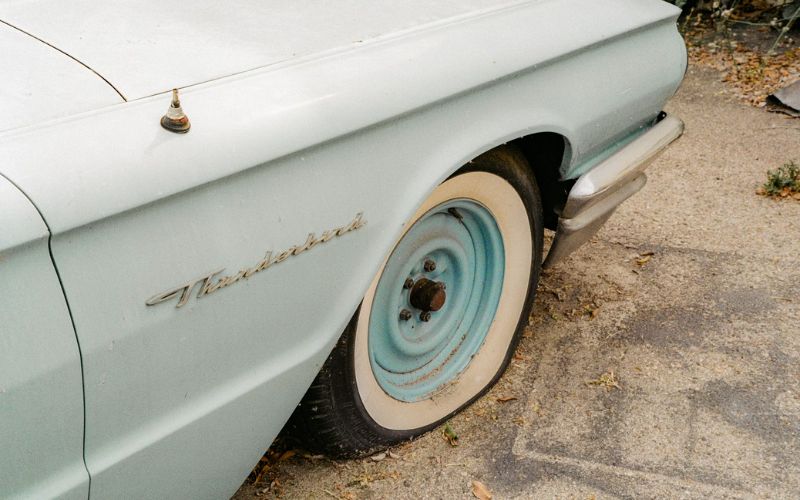
Although knowing how to change a flat tire is valuable, there are situations where it’s safer to call for roadside assistance.
- Heavy traffic: Fast-moving vehicles create dangerous working conditions, especially on highways with narrow shoulders.
- Unsafe road conditions: Loose gravel, mud, steep hills, or uneven pavement may cause the jack to become unstable.
- Severe weather: Heavy rain, snow, lightning, or strong winds significantly increase the risk of injury.
- Missing or damaged tools: Without a working jack, properly fitting lug wrench, or usable spare tire, changing the tire safely becomes difficult or impossible.
- Multiple damaged tires: If more than one tire is damaged, installing a single spare won’t solve the problem. Professional roadside assistance is the safest option.
How to Prevent Flat Tires
Knowing how to change a flat tire is important, but routine maintenance can reduce the risk of one happening.
- Check tire pressure monthly: Keep tires inflated to the pressure listed in your owner’s manual or driver-side door frame.
- Inspect the tread and sidewalls: Look for worn tread, cracks, bulges, nails, or other visible damage.
- Avoid road hazards: Slow down around potholes, debris, construction areas, and broken pavement.
- Rotate tires regularly: Follow the manufacturer’s recommended schedule to promote even wear and extend tire life.
For more guidance on tire pressure, tread wear, rotation, and other maintenance practices, review the NHTSA’s tire safety recommendations.
>>> Read more: How to Start Journaling and Build a Powerful Habit That Lasts
FAQs
How long should it take to replace a flat tire?
Most tire changes take 15 to 30 minutes. If it’s your first time or conditions are difficult, expect the process to take a little longer.
How can you replace a flat tire on your car?
Park safely, apply the parking brake, loosen the lug nuts, raise the vehicle with a jack, and replace the damaged tire with the spare. Lower the car and tighten the lug nuts securely.
Can you drive on a flat tire?
No. Driving on a completely flat tire can damage the wheel, suspension, and braking components. If possible, stop driving immediately and move to a safe location before changing the tire.
How many miles can you safely travel using a spare tire?
It depends on the type of spare. Most temporary spare tires are intended for short distances only, typically no more than 50-70 miles (80-110 km). Always follow your vehicle manufacturer’s recommendations.
What if I don’t have a spare tire?
Use a tire repair kit, sealant and compressor, or run-flat tire if your vehicle includes one. Otherwise, call roadside assistance or a towing service rather than driving on the flat tire.
Final Thoughts
A flat tire can be stressful, but preparation makes the situation easier to manage. Once you understand how to change a flat tire, you can secure your vehicle, remove the damaged wheel, and install the spare safely.
Regularly inspect your tires, maintain proper pressure, and keep your emergency tools organized to reduce delays and stay better prepared for roadside problems.