
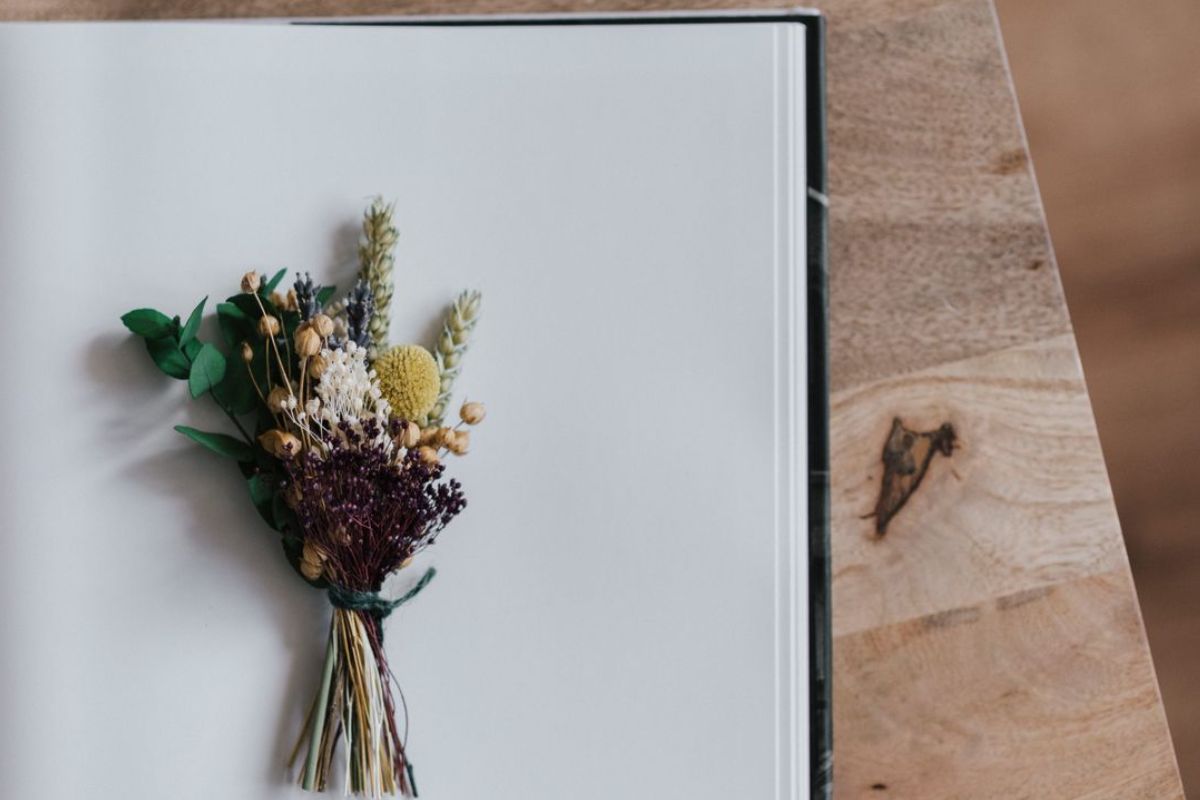

Many people are looking for how to dry flowers, as they want to preserve meaningful bouquets, seasonal blooms, or flowers from their garden so they can enjoy them for much longer.
Luckily, there are several methods to choose from depending on the type of flowers and the results you want to achieve. Some techniques focus on speed, while others help preserve color, shape, or delicate details more effectively.
What Flowers Work Best for Drying?
While many flowers can be preserved, some varieties generally produce better results than others because of their structure and moisture content.
- Lavender: Retains its fragrance well and dries naturally.
- Roses: A popular option for preserving bouquets and special occasion flowers.
- Hydrangeas: Often maintain their shape and texture after drying.
- Strawflowers: Naturally papery petals make them ideal for dried arrangements.
- Baby’s Breath: Dries quickly and works well in decorative displays.
- Eucalyptus: Frequently preserved for wreaths and home décor projects.
- Statice: Known for keeping its color well after drying.
- Globe Amaranth: Holds its shape and color for extended periods.
>>> Read more: How To Clean Window Screens: 5 Simple Steps for Beginners
How to Dry Flowers Quickly: 6 Best Ways
There are many ways to preserve fresh blooms, and the right method often depends on the final result you hope to achieve.
Quick reference table
| Method | Best for | Approximate time |
| Microwave Drying | Fast results | Minutes |
| Air Drying | Bouquets and large arrangements | 1-3 weeks |
| Silica Gel | Color and shape preservation | Several days |
| Glycerin Preservation | Foliage and greenery | 1-3 weeks |
| Flower Pressing | Crafts and artwork | 1-4 weeks |
| Vase Drying | Hydrangeas and delicate blooms | Several weeks |
Below are some of the most common strategies:
Method 1: Dry Flowers in the Microwave (Best for Quick Results)
Opting for how to dry flowers in the microwave is ideal when speed is the priority. This method can help preserve color relatively well and is often used when flowers are needed for a project within a short timeframe.
- Step 1: Place the flowers inside a microwave-safe container and cover them with silica gel if available.
- Step 2: Heat them in short intervals while monitoring carefully to avoid overheating.
- Step 3: Once the flowers have dried, allow them to cool completely before handling.
Method 2: Air Dry Flowers (Best for Bouquets and Large Arrangements)
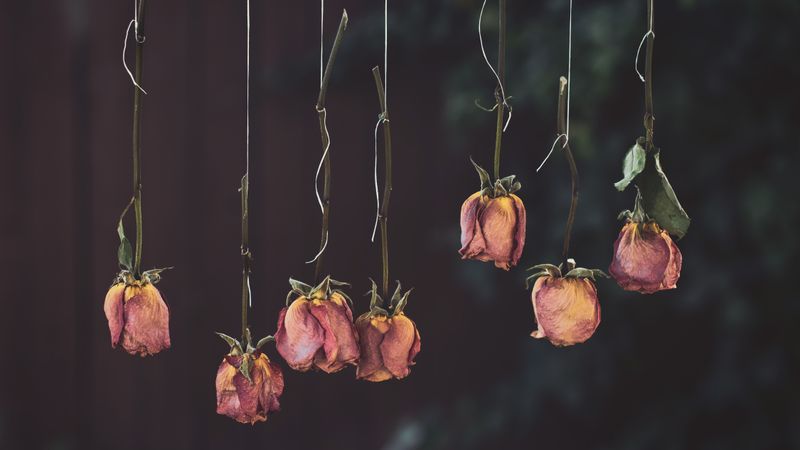
Air drying remains one of the most traditional and widely used preservation methods. This technique works especially well for roses, lavender, statice, and many bouquet flowers.
- Step 1: Gather the flowers into small bunches and secure the stems with string or a rubber band.
- Step 2: Hang the bunches upside down in a dark, dry, well-ventilated space. Leave them for several weeks until the flowers are fully dry and have retained their shape.
Method 3: Dry Flowers with Silica Gel (Best for Preserving Color and Shape)
Silica gel is commonly used when preserving flowers with detailed petals or vibrant colors. In fact, many crafters prefer this method because it often produces more natural-looking results compared to simple air drying.
- Step 1: Place the blooms in a container and carefully cover them with silica gel crystals. The material absorbs moisture while helping the petals maintain their structure.
- Step 2: After several days, remove the flowers carefully and brush away any remaining crystals.
Method 4: Preserve Flowers with Glycerin (Best for Foliage and Greenery)
How to dry flowers quickly? Glycerin preservation works somewhat differently because it replaces moisture within plant tissue rather than simply removing it.
- Step 1: Prepare a preservation solution by mixing one part glycerin with two parts warm water.
- Step 2: Trim the flower or foliage stems and place them in the glycerin solution.
- Step 3: Leave the stems in the mixture for several days to a few weeks, allowing the glycerin to gradually replace the moisture within the plant tissue.
- Step 4: Remove the flowers or foliage once they feel soft and flexible, then gently pat them dry before displaying.
This approach is commonly used for eucalyptus, magnolia leaves, and decorative foliage.
Method 5: Press Flowers for Crafts and Artwork (Best for Intricate Details)
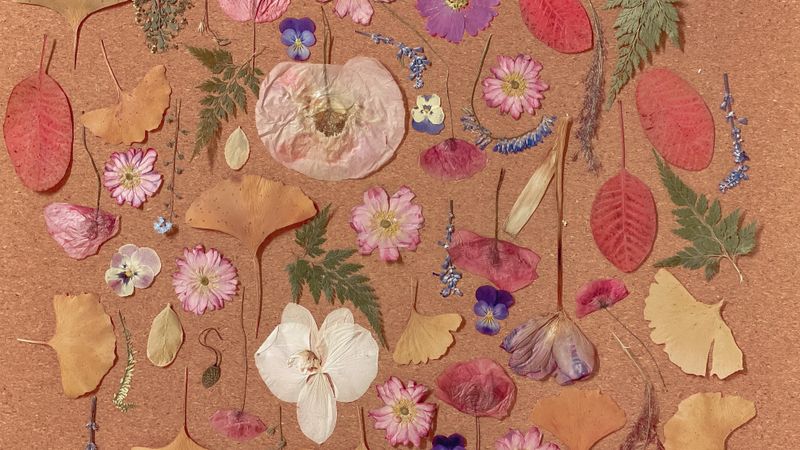
If you enjoy creating bookmarks, greeting cards, framed artwork, or other decorative projects, understanding how to dry and press flowers can be particularly useful.
- Step 1: Place the flowers between sheets of absorbent paper, making sure the petals lie flat.
- Step 2: Insert the paper-covered flowers into a heavy book or flower press.
- Step 3: Leave them undisturbed for several weeks while the pressure gradually removes moisture.
- Step 4: Carefully remove the dried flowers once they are fully pressed and dry.
Although pressed flowers may lose some dimension, they often preserve intricate petal patterns that work beautifully in craft projects.
Method 6: Dry Flowers in a Vase (Best for Hydrangeas and Delicate Blooms)
Certain flowers dry surprisingly well when left in a vase with a small amount of water. So, how to dry flowers in a vase? Follow these steps:
- Step 1: Fill a vase with a small amount of water and arrange the flowers as desired.
- Step 2: Place the vase in a dry area away from direct sunlight.
- Step 3: Allow the water to evaporate naturally without refilling it.
- Step 4: As the water disappears, the flowers will gradually dry in place. Once fully dried, they can be displayed or used in decorative arrangements.
This method works particularly well for hydrangeas, which often retain their shape and develop an attractive dried texture.
How Long Does It Take to Dry Flower?
The time required depends largely on the drying method, flower type, and environmental conditions.
Microwave drying may take only a few minutes, making it the fastest option available. Silica gel preservation often requires several days, while traditional air drying can take anywhere from one to three weeks.
Pressed flowers generally need between one and four weeks depending on thickness and moisture content. Vase drying may also take several weeks as the remaining water evaporates gradually.
On the other hand, larger flowers and blooms with higher moisture levels typically require more drying time than smaller or naturally drier varieties.
>>> You might be interested in: How to Clean Tea Kettle Inside & Out: 3 Effective Methods
Effective Tips for Perfect Dried Flowers
In addition to knowing methods on how to dry flowers, few simple practices can improve your results regardless of the drying method you choose.
- Harvest flowers before they become overmature.
- Remove damaged petals before beginning the drying process.
- Keep drying flowers away from direct sunlight.
- Ensure adequate airflow around the flowers.
- Handle dried blooms gently to avoid breakage.
- Store finished flowers in a cool and dry environment.
- Avoid exposing preserved flowers to excessive humidity.
- Dust dried arrangements occasionally to maintain their appearance.
FAQs
How to tell when flowers are fully dry?
Flowers are generally considered fully dry when the petals feel crisp and no longer contain noticeable moisture. Stems should also feel firm rather than flexible or damp.
How to keep the color of dried flowers?
Choosing flowers at their peak condition, minimizing direct sunlight exposure, and using methods such as silica gel drying may help preserve color more effectively.
What are common mistakes when drying flowers?
Common mistakes include drying flowers that are already wilting, exposing them to direct sunlight, storing them before they are completely dry, or using excessive heat during the preservation process.
What is the 3:5:8 rule for flowers?
The 3:5:8 rule is a floral design guideline rather than a flower-drying technique. It is sometimes used to create balanced floral arrangements by considering proportions between containers, focal flowers, and supporting elements.
Bottom Lines
From quick-drying methods to more traditional techniques, each how to dry flowers approach to drying flowers offers its own advantages depending on the type of bloom and the look you want to achieve.
With a bit of patience and the right method, dried flowers can be turned into lasting keepsakes, decorative accents, or creative materials for future projects. For more helpful tips, step-by-step guides, and creative ideas, explore more articles on the Zeo Learn’s news & lifestyle blogs.