

A blender is one of the most frequently used kitchen appliances, but it’s also one of the easiest to neglect when it comes to cleaning. Over time, food residue, odors, and buildup can affect both hygiene and performance.
This guide will show you how to clean a blender properly using simple daily care and deeper cleaning steps to keep it in top condition.
How to Clean a Blender Quickly After Every Use
To make cleaning easier and prevent food from drying or sticking, start with this quick routine you should follow right after every use.
- Step 1: Rinse the Blender Immediately
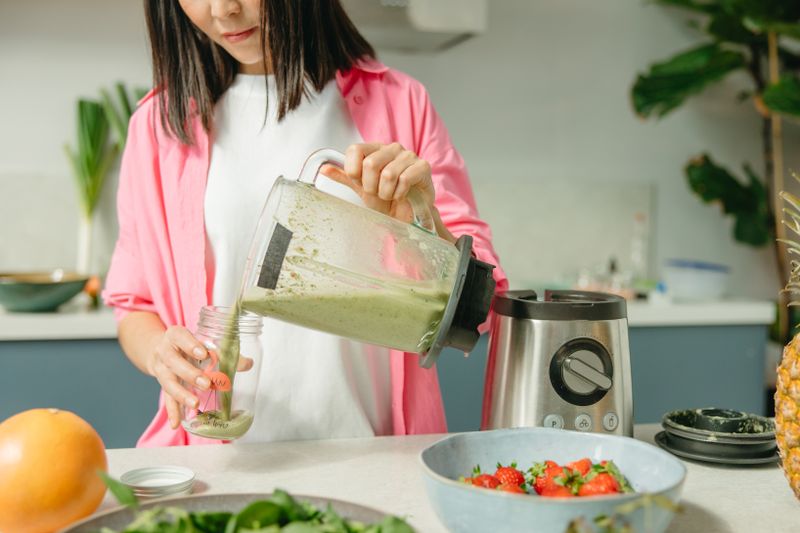
As soon as you’re finished using the blender, rinse the pitcher with warm water. This helps remove leftover ingredients before they have a chance to dry and stick to the sides or blades.
- Step 2: Add Warm Water and Dish Soap
Pour warm water into the pitcher until it is about halfway full. Add a drop or two of liquid dish soap.
- Step 3: Blend for 30 – 60 Seconds
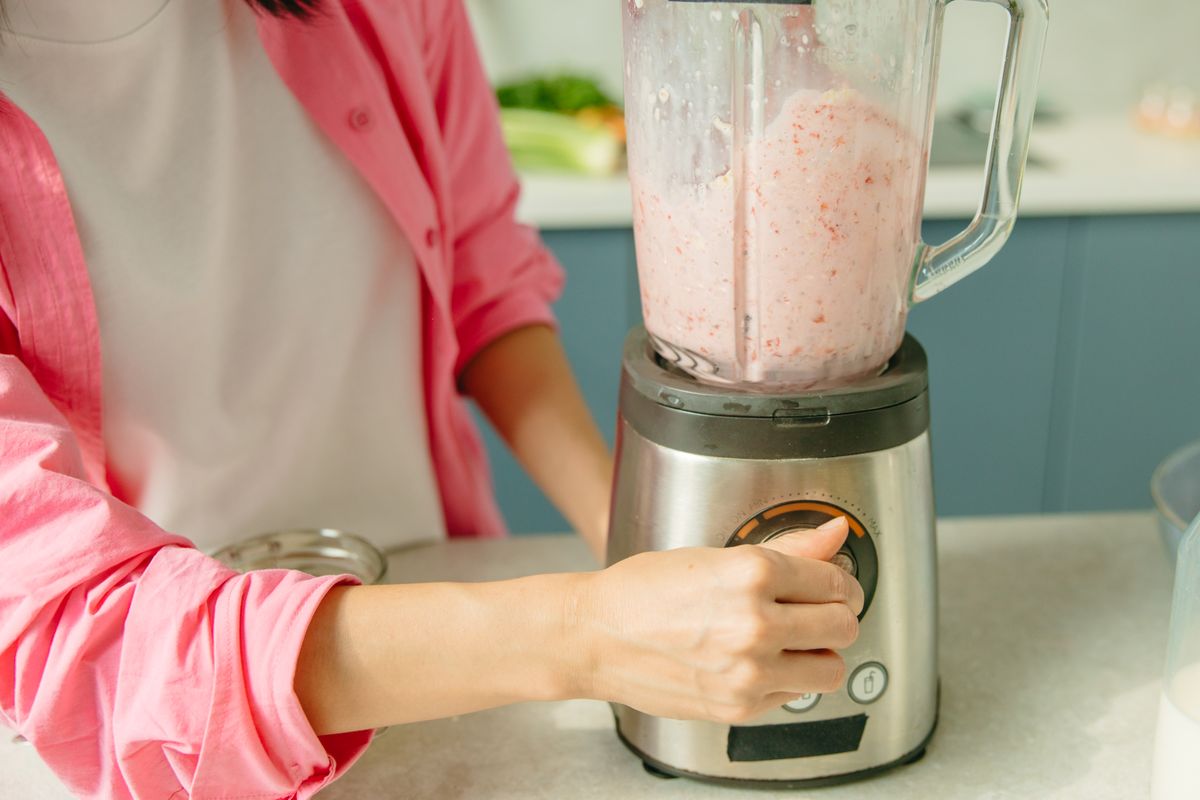
Place the lid securely on the blender and run it for 30 – 60 seconds. The swirling soapy water cleans the pitcher walls, blades, and hard-to-reach areas.
- Step 4: Rinse and Dry
Empty the soapy water and rinse the pitcher thoroughly with clean water. Turn it upside down on a drying rack or dry it with a clean towel.
Do remember to rinse the underside of the lid well and regularly clean any removable gasket to help prevent mold and odor buildup.
>>> Read more: How to Clean a Dishwasher and Keep It Running Like New
How to Clean a Blender Deeply
If your blender has been used frequently or you notice leftover residue and lingering odors, it’s time to go beyond basic rinsing and follow this deeper cleaning method.
- Step 1: Disassemble Removable Parts
Before deep cleaning, unplug the blender and empty any remaining contents. Remove the pitcher from the motor base and take apart all detachable components, including the lid pieces, gasket, blade assembly, and locking ring if your blender is designed for disassembly.
- Step 2: Wash the Jar, Lid, and Blade Assembly
Rinse away any loose residue first. Then wash the pitcher, lid, blades, gasket, and other removable parts with warm water and dish soap.
Use a sponge, bottle brush, or soft cleaning brush to reach tight spaces and clean around the blade area thoroughly.
- Step 3: Clean the Blender Base Safely
Use a damp cloth to wipe down the motor base, paying attention to spills and splatters around the controls and where the pitcher sits. Avoid immersing the base in water or allowing liquid to enter the motor housing.
- Step 4: Reassemble After Drying
The final step of how to clean a blender is to allow all components to air-dry completely before putting everything back together. Once each part is fully dry, reassemble the pitcher, blade assembly, gasket, and lid.
Cleaning a specific blender, like how to clean a Ninja blender, follows the same general method, with a few model-specific care steps.
How to Remove Stubborn Residue and Odors From a Blender
There are a few simple deep-clean ways that can break down residue and restore your blender to a fresh, clean state.
How to Remove Stubborn Residue
- Soak the blender with warm soapy water
If food has dried onto the pitcher or around the blades, fill the blender with warm water and a small amount of dish soap. Let it sit for a few minutes to soften and loosen the buildup, making it easier to remove.
- Blend the cleaning solution
A key step in how to clean a blender is using a mixture of warm water and dish soap, which works well for everyday cleaning. You can also add ingredients such as baking soda, vinegar, or lemon juice to help break down stubborn stains, grease, and odors.
- Use a soft brush or sponge
After blending, inspect the pitcher and components for any remaining residue. Gently clean the interior surfaces, blades, gasket, and threaded areas with a soft sponge or brush.
How to Remove Odors From a Blender
- Clean with baking soda
Fill the blender jar with warm water and add about one tablespoon of baking soda. Blend the mixture for 20 – 30 seconds, then allow it to sit for 10 – 15 minutes before rinsing thoroughly.
Baking soda helps neutralize strong food odors, including those left behind by ingredients such as garlic, onions, or heavily spiced sauces.
- Use a vinegar and water solution
For persistent odors, combine white vinegar, a small amount of baking soda, and water in the blender jar. Then blend on high speed for about 30 seconds.
- Air dry completely before storing
Proper air-drying helps prevent moisture from becoming trapped inside the blender, reducing the chance of musty smells developing during storage.
>>> Read more: How to Stop Shoes From Blistering Without Painful Heel Rubs
Maintenance Tips to Keep Blender Clean Longer
A key part of how to clean a blender effectively is building a few simple habits that can keep your blender cleaner and reduce the need for frequent deep cleaning:
- Rinse the jar as soon as you’re finished using it to prevent food, sauces, spices, and oily ingredients from drying onto the surfaces.
- Clean often overlooked areas such as the lid, gasket, seals, threads, and rim, where food particles and oils can become trapped.
- Use soft sponges or brushes instead of abrasive scrubbers, which can scratch the jar and make future staining or buildup more likely.
- Schedule regular deep cleanings, especially if you frequently blend ingredients that leave strong odors or oily residue.
Also, pay attention to these warning signs that your blender may need a deeper cleaning:
- Persistent odors, especially from ingredients like garlic, herbs, or chutneys, often indicate buildup hidden around the lid, gasket, or seals.
- Mineral deposits or leftover residue can cause a cloudy appearance or dull film inside the jar.
- Yellow, orange, or dark stains may develop from strongly pigmented ingredients such as turmeric or masala blends.
FAQs
Can you wash a blender in the sink?
Yes, you can wash most blender parts in the sink using warm water and dish soap, including the jar, lid, gasket, and removable blades. If possible, detach the blades to clean them separately and remove hidden residue. Always check your manual for specific instructions.
What is the best way to clean a blender?
The best method is to fill the blender halfway with warm water and add a few drops of dish soap. Blend for about 30 seconds, then rinse and air-dry with the lid off. For tougher stains or odors, you can also use baking soda, vinegar, or lemon mixed with water.
Can you put soapy water in a blender to clean it?
Yes, blending warm water with a small amount of dish soap is a quick and effective cleaning method. It helps remove food residue from blades and hard-to-reach areas. Just avoid using too much soap and never expose the motor base to water.
How to get stuff out of the bottom of a blender?
Start by blending warm water with dish soap to loosen residue. For stubborn buildup, use vinegar and water or baking soda and water, then rinse well. If needed, unplug the blender and clean under the blades by removing and soaking them before gently scrubbing.
Final Thoughts
Knowing how to clean a blender properly makes kitchen cleanup much easier and helps extend the life of your appliance.
By following simple daily cleaning habits and occasional deep-cleaning steps, you can prevent buildup, eliminate odors, and keep your blender working like new.