
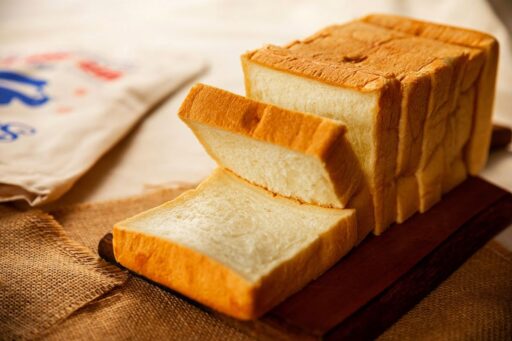
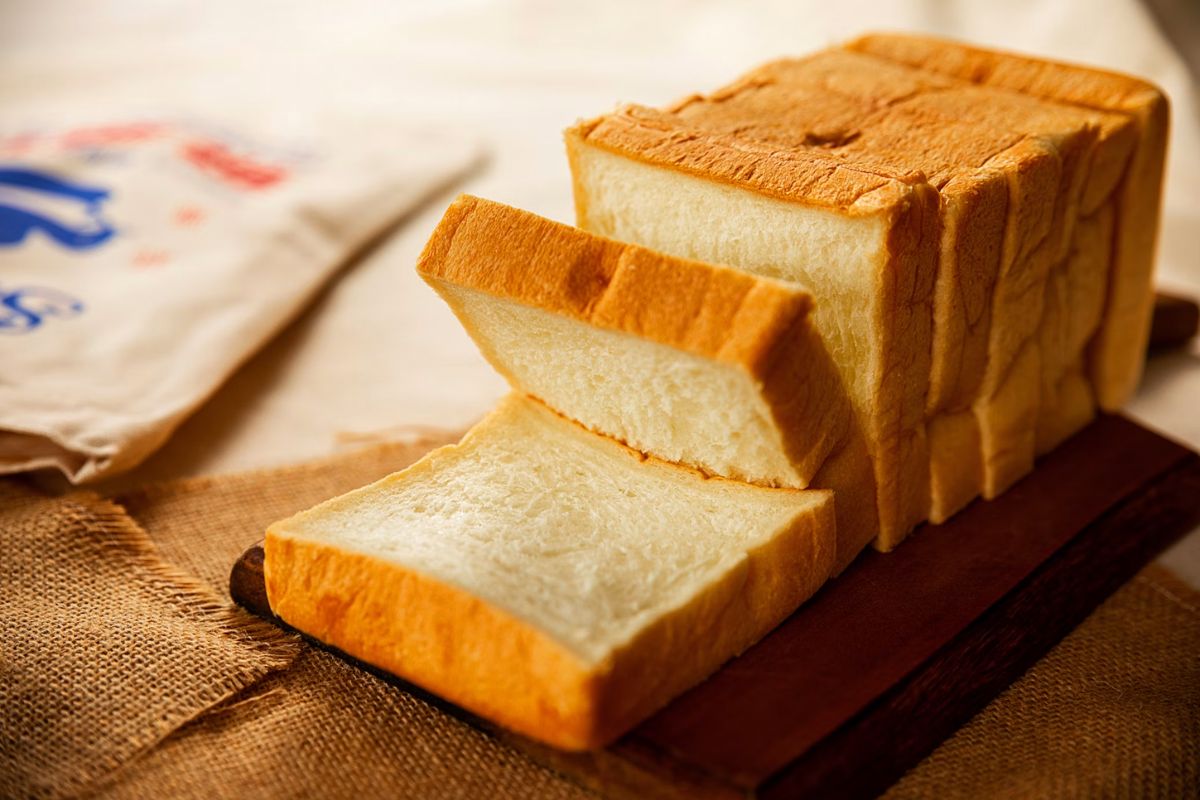

There’s nothing quite like cutting into a fresh loaf of bread. The crust is crisp, the inside is soft, and every slice tastes as good as the first. Unfortunately, that freshness doesn’t last forever.
If you’re wondering how to keep bread fresh, this guide explains the best storage methods, why bread goes stale, and how to extend its freshness without sacrificing flavor or texture.
What’s the Best Way to Keep Bread Fresh?
If you’re looking for a quick answer on how to keep bread fresh, here are the best practices:
| Storage Goal | Best Method |
| Eat within 2-4 days | Store at room temperature in a bread box or paper bag |
| Keep bread for several weeks | Freeze the bread in an airtight freezer bag |
| Refrigerate? | Usually no. Refrigeration speeds up staling for most breads, though it may help in hot, humid climates or for certain bread types prone to mold. |
For most households, storing bread at room temperature and freezing what you won’t eat within a few days offers the best balance between freshness and shelf life.
What Makes Bread Go Stale?
Understanding how to keep bread fresh starts with knowing why bread loses its quality.
- Moisture loss
As bread sits, moisture gradually moves from the soft crumb to the crust and eventually evaporates, making the loaf feel dry.
- Starch changes over time
Even before bread feels dry, the starch molecules begin to reorganize in a process called retrogradation. This makes bread seem firm and stale, even if it hasn’t lost much moisture.
- Air exposure
- Temperature and humidity
Warm temperatures encourage mold growth, while refrigeration speeds up starch retrogradation in most breads. Finding the right balance is the key to keeping bread fresh longer.
How to Keep Bread Fresh
Different storage methods work best depending on how soon you plan to eat the bread.
At room temperature
For most loaves, room temperature is the best choice if you’ll finish the bread within a few days.
Store bread:
- In its original paper bag or a bread bag
- Away from direct sunlightIn a cool, dry place
Avoid sealing freshly baked bread in plastic until it has cooled completely, as trapped moisture can encourage mold. This is one of the easiest ways to keep bread fresh without changing its texture.
In a bread box
A bread box creates a balanced environment by limiting airflow while preventing excessive moisture buildup.
It works especially well for:
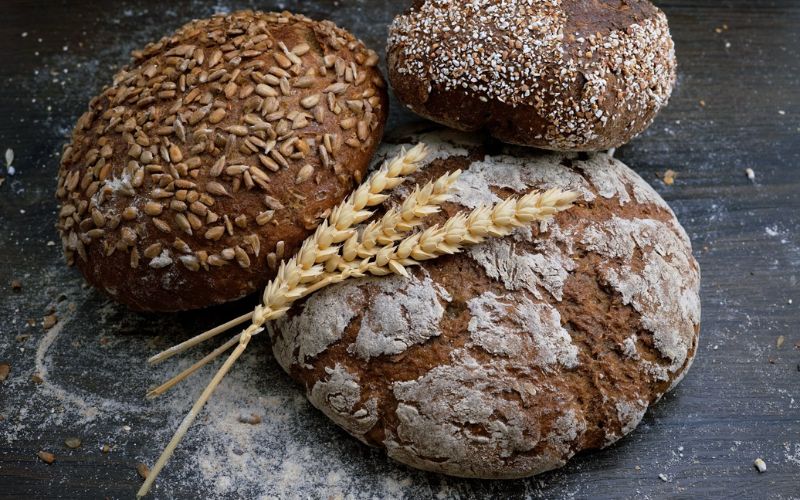
- Artisan bread
- Homemade bread
- Sourdough loavesIn the freezer
If you’re wondering how to keep bread fresh longer, freezing it is the best option if you won’t finish it within four days.
To freeze bread:
- Slice the loaf first if desired.
- Wrap it tightly in plastic wrap or foil.
- Place it inside a freezer-safe bag.
- Remove as much air as possible before sealing.
When to avoid the refrigerator
Although refrigeration slows mold growth, it usually makes bread go stale faster because the cool temperature accelerates changes in the starch structure.
Exceptions include:
- Very hot and humid climates
- Bread that would otherwise mold quickly
- Certain commercially packaged breads with preservatives
For most fresh bread, room temperature or freezing remains the better choice when considering to keep bread fresh.
>>> Read more: How to Soften Brown Sugar: 7 Fast Fixes and Overnight Methods
Storage Tips for Different Types of Bread
The best way to keep bread fresh depends on the type of loaf, since each one has different moisture levels, ingredients, and storage needs.
- Homemade bread
Because homemade bread contains fewer preservatives, it generally has a shorter shelf life. If you’re researching how to keep homemade bread fresh, store it in a bread box or paper bag for two to three days, then freeze any leftovers.
- Sourdough bread
Sourdough naturally stays fresh longer than many other breads because of its acidity. If you’re wondering how to keep sourdough bread fresh, leave it cut-side down on a cutting board or store it in a bread box. This helps preserve the crust while protecting the interior.
- Fresh bakery bread
Keep bakery bread in a paper bag or bread box at room temperature. Avoid airtight plastic unless the bread is very soft, as it can make crusty loaves lose their texture.
- Sliced sandwich bread
Commercial sandwich bread typically contains preservatives that extend freshness. Keeping it sealed in its original packaging at room temperature is usually sufficient until the expiration date.
Common Mistakes That Make Bread Go Stale Faster
Even good bread won’t stay fresh if it’s stored incorrectly.
Avoid these common mistakes:
- Refrigerating most fresh bread unnecessarily
- Leaving bread uncovered on the counter
- Sealing warm bread before it cools
- Freezing bread without airtight wrapping
- Storing bread near heat or direct sunlight
Repeatedly thawing and refreezing the same loaf. Small storage mistakes add up quickly, which is why understanding how to keep bread fresh can make such a noticeable difference.
How to Bring Stale Bread Back to Life
If your bread has become stale but isn’t moldy, you may be able to improve its texture.
- Reheating in the oven
Lightly sprinkle the loaf with water and warm it in a 350°F (175°C) oven for about 5-10 minutes. The moisture creates steam that softens the interior while helping crisp the crust.
- Using a toaster
Individual slices often regain much of their texture after toasting. This works particularly well for sandwich bread and sourdough.
- Lightly adding moisture before reheating
One useful tip for how to keep bread fresh is to add a small amount of water to the crust of larger loaves before reheating. Too much moisture, however, can leave the bread gummy.
- Knowing when bread can’t be saved
If bread shows visible mold or has an unusual odor, discard it immediately. Reheating can improve staleness, but it cannot make moldy bread safe to eat.
>>> Read more: How Long to Boil Potatoes: Easy Chart for Perfect Results
FAQs
Should bread be stored in the refrigerator?
Usually, no. For most breads, refrigeration speeds up the staling process even though it slows mold growth. Room temperature or freezing is generally a better choice.
What is the best container for storing bread?
A bread box is one of the best storage options because it balances airflow and humidity. Paper bags also work well for short-term storage, while airtight freezer bags are ideal for freezing.
Can I freeze bread without affecting the texture?
Yes. When wrapped properly and frozen soon after baking or purchasing, bread retains much of its original texture after thawing. Freezing is one of the most effective ways to how to keep fresh bread fresh for an extended period.
How long does fresh bread stay fresh?
It depends on the type of bread.
- Homemade bread: 2-3 days
- Bakery bread: 1-3 days
- Commercial sandwich bread: 5-7 days (or longer, depending on preservatives)
Freezing extends storage to several months.
Does bread last longer in the fridge or on the counter?
The answer depends on what you mean by “last.” Bread usually stays softer longer on the counter, while refrigeration may delay mold in humid conditions but often causes the bread to become stale more quickly.
Final Thoughts
Learning how to keep bread fresh isn’t about finding one perfect storage method, it’s about matching the method to how quickly you’ll eat the bread. Room temperature works best for everyday use, a bread box helps maintain texture, and freezing is the most effective choice for long-term storage.