


Stainless steel has a way of making a kitchen or workspace look clean and modern, until fingerprints, water spots, and dull patches start to appear. The good news is that bringing back its shine doesn’t require expensive products or hours of scrubbing.
If you’re looking for how to polish stainless steel, this guide explains the safest techniques, natural alternatives, and common mistakes to avoid so your stainless steel stays looking its best.
Before You Begin: What You’ll Need
Taking a few minutes to prepare first makes polishing smoother and reduces the risk of damage. Before you start how to polish stainless steel, take a close look at the surface you’re working on.
Brushed vs. mirror-finish stainless steel
Not all stainless steel finishes are alike.
- Brushed stainless steel has visible grain lines that help hide fingerprints and light scratches.
- Mirror-finish stainless steel has a smooth, reflective surface that shows smudges more easily but delivers a brighter shine.
Knowing the finish helps you choose the right polishing method.
Finding the direction of the grain
Just like wood, many stainless steel surfaces have a grain. Run your fingers across the surface or look closely under good lighting. Fine lines usually indicate the grain direction. Following these lines while polishing produces a smoother finish and reduces the chance of visible scratches.
Knowing whether scratches or stains need different treatment
Not every mark should be treated the same way.
- Most fingerprints and oily residue can be removed with a gentle wipeWater spots often need a mild acidic solution.
- Light scratches require careful polishing.
- Deep scratches may need specialized repair products.
- Identifying the problem first helps avoid unnecessary wear.
Choosing products that match the finish
For everyday polishing, you’ll typically need:
- A microfiber cloth
- Mild dish soapWhite vinegar
- Mineral oil or olive oil
- A stainless steel polish (optional)
Avoid harsh cleaners unless they’re specifically labeled for stainless steel.
How to Polish Stainless Steel in 5 Easy Steps
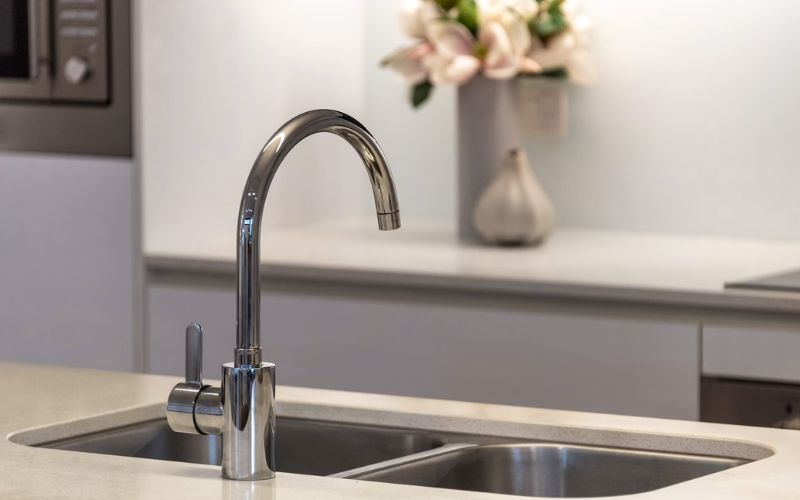
You do not need complicated tools to restore shine to most stainless steel surfaces. The key is to clean first, use a suitable polish, and follow the direction of the grain. Here is a simple five-step process you can use for appliances, sinks, cookware, and other household items.
Step 1: Clean the surface
Start by removing dust, grease, and loose debris. Mix warm water with a small amount of mild dish soap, then wipe the stainless steel with a soft microfiber cloth.
Cleaning before polishing helps prevent dirt or grit from being rubbed across the surface and causing fine scratches.
Step 2: Dry thoroughly
Use a clean, dry microfiber cloth to remove all moisture after cleaning. Water left on the metal can dry into mineral spots or streaks, making it harder to achieve an even shine. Make sure the surface is completely dry before applying any polishing product.
Step 3: Apply your polish
Place a small amount of stainless steel polish onto a clean cloth rather than applying it directly to the surface. This gives you better control and helps prevent excess product from building up in one area.
For some household surfaces, a small amount of mineral oil can also be used to create a polished finish. Always check the manufacturer’s care instructions before trying a new product.
Step 4: Polish with the grain
When learning how to polish stainless steel, one of the most important techniques is following the direction of the grain. Look closely at the surface to identify the fine lines in the metal, then move the cloth in the same direction using light, even pressure.
Polishing against the grain can make streaks more visible and may increase the risk of fine scratches.
Step 5: Buff away excess polish
Finish by wiping the surface with a clean, dry microfiber cloth. Buff gently with the grain until any remaining polish or oily residue is removed.
This final step helps create a smoother, more even shine and prevents the surface from feeling greasy or looking streaky.
>>> Read more: How to Clean Keyboard Keys the Right Way (Step-by-Step Guide)
Best Ways to Polish Stainless Steel Naturally
If you prefer simple household ingredients, there are several effective options for how to polish stainless steel.
- White vinegar
White vinegar works well for:
- Water spots
- Mineral deposits
- Fingerprints
Spray a small amount onto a microfiber cloth and wipe with the grain. Follow by drying the surface completely.
- Olive oil or mineral oil
A few drops of oil can restore shine after cleaning. Apply sparingly and buff until no oily residue remains. Mineral oil typically provides longer-lasting protection, whereas olive oil is an easy option many people already have at home.
- Baking soda paste (for tougher stains)
For stubborn residue:
- Combine baking soda with just enough water to form a paste.
- Create a thick paste.
- Gently rub the affected area.
- Rinse and dry thoroughly.
You can use this method only on small stains rather than for routine polishing.
- Club soda (optional)
Club soda can help brighten stainless steel by lifting light residue. Pour a small amount onto a microfiber cloth instead of directly onto the surface, then wipe with the grain and dry immediately.
How to Remove Common Marks from Stainless Steel
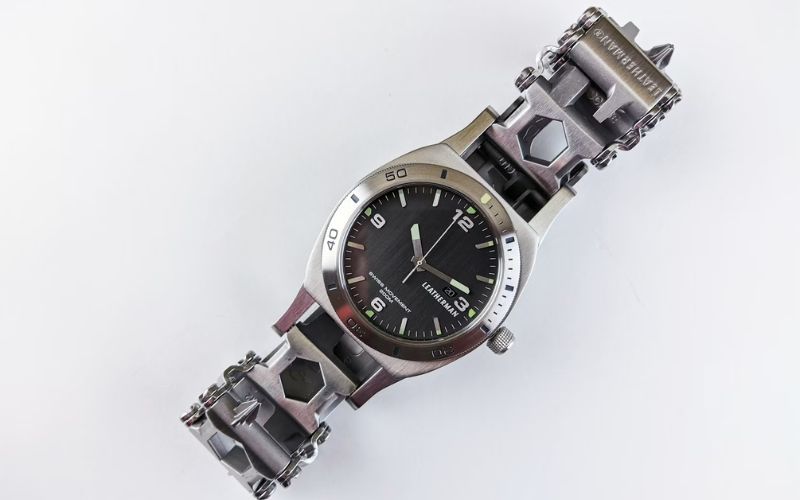
Different marks respond better to different cleaning methods. Treat the problem first, then polish the surface if needed.
- Fingerprints
Wipe with warm water and a microfiber cloth. For stubborn smudges, use a stainless steel cleaner or diluted vinegar, then buff dry with the grain.
- Water Spots
Hard-water minerals can leave cloudy marks. Wipe the area with diluted vinegar, then dry immediately to help prevent new spots.
- Grease and Food Residue
Use mild dish soap and warm water to break down oily buildup before polishing. If you’re learning how to polish a stainless steel sink, removing grease, soap residue, and mineral deposits first can improve the final result.
- Light Surface Scratches
Gentle polishing with the grain may make minor scratches less noticeable. Avoid abrasive pads or strong compounds unless the manufacturer recommends them.
>>> Read more: How to Clean a Sink Drain: Easy Solutions for Odors and Blockages
Mistakes to Avoid When Polishing Stainless Steel
Even good products can produce poor results if used incorrectly. Keeping these mistakes in mind makes how to polish stainless steel much easier.
- Using steel wool: Steel wool may leave permanent scratches and tiny metal particles that can rust over time.
- Abrasive scrubbers: Scouring pads and abrasive brushes can damage protective finishes, especially on polished stainless steel.
- Bleach or chlorine cleaners: Chlorine-based products may discolor or weaken stainless steel if used repeatedly.
- Scrubbing against the grain: Working across the grain often creates visible marks that are difficult to remove later.
- Applying too much polish: Heavy applications don’t create more shine. Instead, they leave streaks that require additional buffing.
- Letting cleaning products dry on the surface: Always wipe away cleaners promptly. Allowing products to dry naturally may leave residue or streaks behind.
FAQs
What is the best way to polish stainless steel?
Clean the surface first, dry it thoroughly, apply a small amount of polish or mineral oil, then buff gently with the grain using a microfiber cloth.
Does WD-40 polish stainless steel?
WD-40 can temporarily improve the appearance of stainless steel by leaving a shiny protective film, but it isn’t designed as a dedicated stainless steel polish. For kitchen surfaces or food-contact areas, products made specifically for stainless steel are generally the better choice.
How can you make stainless steel shiny again?
Remove dirt and grease first, then polish with the grain using a microfiber cloth and either a stainless steel polish or a small amount of mineral oil.
Which polish is best for stainless steel?
A quality stainless steel polish designed for your finish is usually the best option. For routine maintenance, white vinegar followed by mineral oil also provides excellent results on many household surfaces.
Conclusion
Knowing how to polish stainless steel can help restore a dull surface and protect its appearance over time. Whether you are refreshing a sink, appliance, cookware, or smaller metal item, the key is to clean thoroughly and polish gently. Avoid overly abrasive tools, follow the grain, and repeat light maintenance as needed to preserve a smooth, attractive finish.