


From grilled meals in the summer to a bowl of popcorn, corn is part of many favorite foods. Yet one question keeps coming up: is corn a vegetable? The answer isn’t as straightforward as it seems because corn can fit into different food categories depending on when it’s harvested and how it’s used.
Is Corn a Vegetable? (Quick Answer)
Yes, corn can be considered a vegetable, but it can also be classified as a grain or a fruit depending on how it is harvested and discussed.
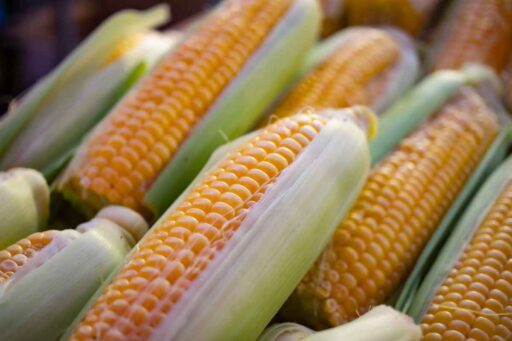
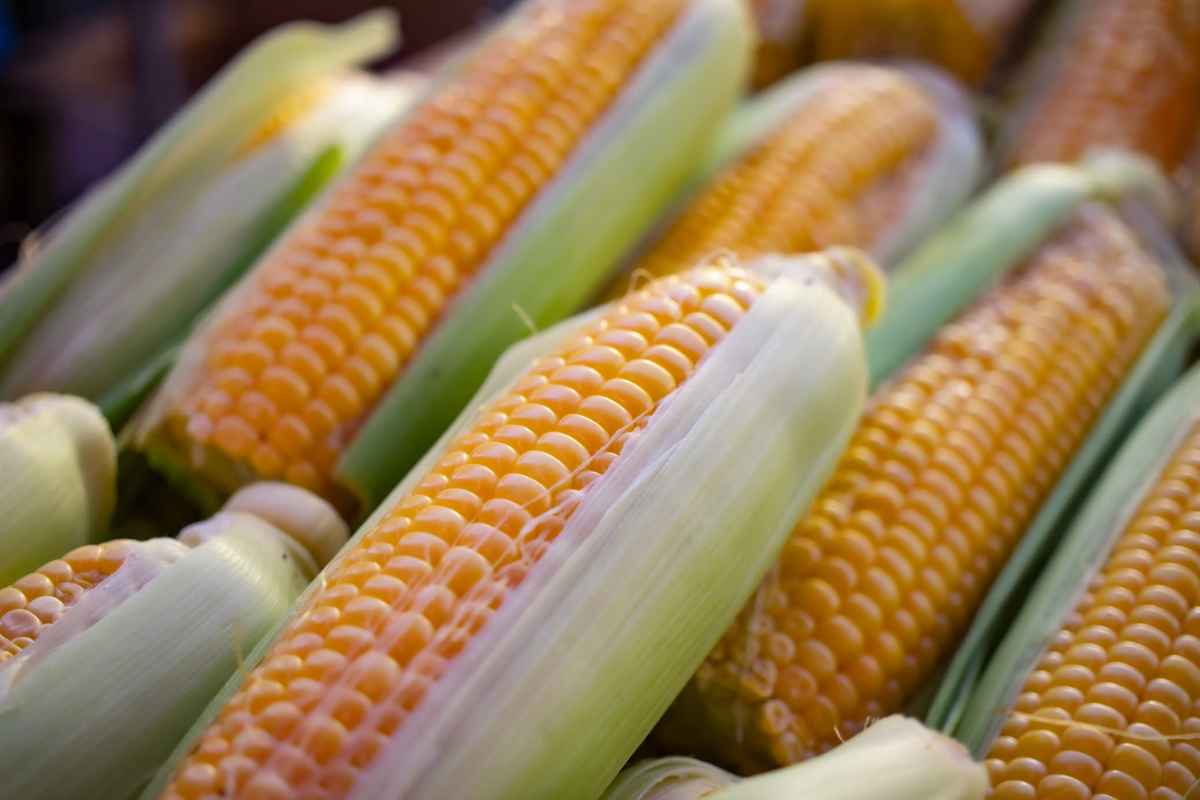
- As a vegetable: Fresh sweet corn harvested while the kernels are still soft and immature is commonly treated as a starchy vegetable in cooking and nutrition.
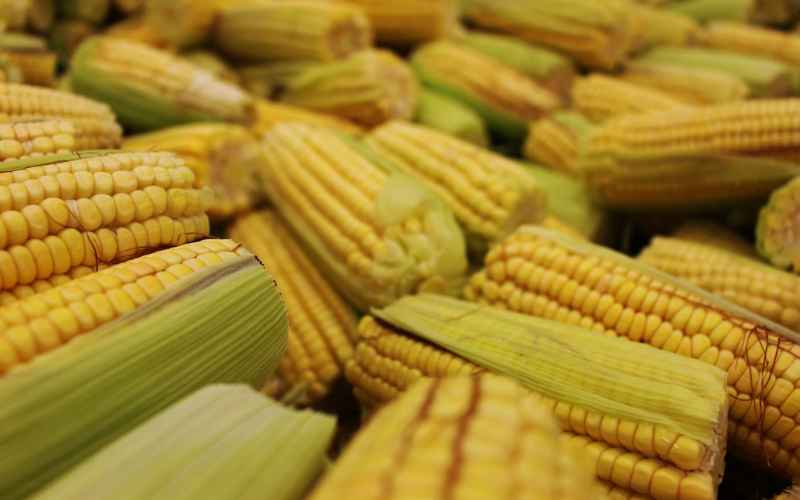
- As a grain: Corn left to mature and dry on the stalk is classified as a cereal grain. It is used to make products such as cornmeal, corn flour, and tortillas.
- Botanically: Each corn kernel is technically a type of fruit because it develops from the ovary of the corn flower and contains a seed.
So, is corn a vegetable? Fresh sweet corn generally is. Mature dried corn is considered a grain, while botanically, each kernel is a fruit. The correct answer depends on the context.
When Is Corn Considered a Grain?
Understanding harvest timing makes the classification much easier.
Fresh sweet corn is harvested early while the kernels are soft, juicy, and high in natural sugars. At this point, people cook and serve it just like peas, carrots, or green beans, so nutrition guidelines group it with vegetables.
Once corn stays on the stalk until the kernels fully mature and dry, it becomes a cereal grain. This version is processed into products such as:
- Cornmeal
- Corn flour
- Polenta
- Corn tortillas
- Breakfast cereals
- Popcorn
This explains why the answer to is corn a vegetable changes depending on whether you’re looking at fresh sweet corn or dried field corn.
>>> You might be interested in: How to Make Tea: Step-by-Step Guide for Better Flavor
What Does Botany Say About Corn?
Science classifies plants differently than the kitchen does. Botanically, corn belongs to the grass family (Poaceae). Every kernel is actually a type of dry fruit called a caryopsis, where the seed coat and fruit wall are fused together.
Here’s where confusion starts:
- Botany focuses on plant structure and reproduction.
- Cooking focuses on flavor and preparation.
- Nutrition classifies foods by the way they’re most often consumed.
Because of these different systems, someone asking is corn a vegetable may receive different answers depending on whether they ask a botanist, a chef, or a dietitian.
Corn Compared With Other Vegetables and Grains
Corn can be confusing because its classification changes depending on how mature it is and how it is used. Comparing it with other familiar foods makes the distinction easier to understand.
| Food | Common Classification | Why |
| Sweet corn | Starchy vegetable | Harvested while the kernels are still immature and tender |
| Dried corn | Cereal grain | Harvested at maturity and commonly used for cornmeal, flour, and other grain products |
| Green peas | Starchy vegetable | Eaten while the seeds are still immature |
| Dried peas | Legume | Allowed to mature and dry before harvest |
| Potatoes | Starchy vegetable | A root-like tuber that is naturally high in carbohydrates |
| Rice | Cereal grain | Harvested as a mature seed from a grass plant |
The key difference is maturity and use. Fresh sweet corn is generally grouped with vegetables, while fully mature, dried corn is classified as a grain.
Where Corn Fits in a Healthy Diet
Figuring out is corn a vegetable doesn’t tell the whole story. Its nutritional value is just as important to understand.
Nutrients found in corn
Fresh corn provides more than carbohydrates. It also contains:
- Dietary fiber
- Vitamin C
- Several B vitamins
- Magnesium
- Potassium
- Eye-supporting antioxidants like lutein and zeaxanthin
Although corn contains more starch than leafy vegetables, it still contributes valuable nutrients to a balanced diet.
When corn counts as a whole grain
Some corn-based foods aren’t considered whole grains.
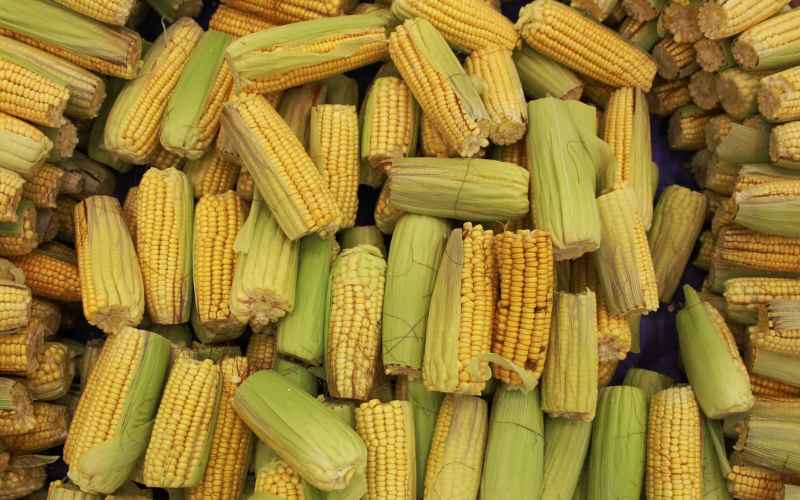
Whole-grain corn keeps all three parts of the kernel:
- Bran
- Germ
- Endosperm
Examples include:
- Plain popcorn
- Stone-ground cornmeal
- Whole-grain corn flour
Refining corn strips away portions of the kernel, which lowers its fiber content and reduces some nutrients.
Portion size and balanced meals
Even though is corn a vegetable has a “yes” answer in many situations, it’s worth remembering that corn is one of the starchier vegetables.
A balanced plate might include:
- One serving of fresh corn
- Lean protein such as chicken or fish
- Plenty of non-starchy vegetables like broccoli or spinach
- Healthy fats from nuts or avocado
For example, grilled corn alongside salmon and a mixed green salad creates a meal with carbohydrates, protein, fiber, and healthy fats without relying too heavily on one ingredient.
The bigger pattern is that food categories often overlap. Rather than focusing only on labels, consider how each food contributes nutrients to your overall diet.
>>> Read more: How to Keep Bread Fresh: Best Storage Tips That Last
FAQs
Is corn a carb or veggie?
It’s both. Corn is classified as a starchy vegetable when eaten fresh, but it naturally contains carbohydrates because of its starch content.
Is corn a healthy vegetable?
Yes. Fresh corn provides fiber, vitamins, minerals, and antioxidants. Like other starchy vegetables, it’s healthiest when eaten in reasonable portions as part of a varied diet.
What is the no. 1 healthiest vegetable?
There isn’t a single healthiest vegetable. Dark leafy greens such as spinach, kale, and broccoli consistently rank among the most nutrient-dense choices, but eating a variety of vegetables provides the greatest nutritional benefits.
What class of food is corn in?
Corn may belong to different food classes depending on context:
- Vegetable when harvested young
- Grain when harvested mature and dry
- Fruit in botanical classification
Conclusion
So, is corn a vegetable? For most meals, yes fresh sweet corn is treated as a starchy vegetable. As corn kernels fully ripen and dry, they’re treated as a grain in food science, although botanically each kernel is considered a fruit.
Rather than seeing these answers as conflicting, think of them as different ways of describing the same plant. The stage of harvest determines its role, the kitchen determines how it’s used, and your plate determines how it fits into a healthy diet.