

Whether you’re planning an evening walk, heading home from work, or preparing for an outdoor event, knowing what time does it get dark can help you plan ahead. The answer depends on your location, the season, and the date, which is why sunset times change throughout the year.
It’s also worth noting that sunset and darkness are not the same thing, as the sky often remains bright for a period after the sun drops below the horizon. In this guide, you’ll learn what affects darkness and how to find the exact time for your area.
What Time Does It Get Dark?
There is no single fixed time for when it gets dark. In most locations, full darkness typically arrives about 20 to 90 minutes after sunset, depending on your location, season, and atmospheric conditions.
Areas closer to the equator usually experience more consistent daylight patterns throughout the year. In contrast, regions farther north or south see greater seasonal variation, which affects how quickly it becomes dark after sunset.
| Event | What Happens | Typical Timing |
| Sunset | Sun drops below the horizon | Official sunset time |
| Civil Twilight | Some natural light remains | 20-40 minutes after sunset |
| Full Darkness | Little to no natural sunlight remains | 45-90 minutes after sunset |
For example, if sunset occurs at 7:30 PM, complete darkness may not arrive until around 8:00 PM or later. This is why the answer to what time does it get dark today can differ from the actual sunset time shown in a weather forecast.
What Determines When It Gets Dark?
To understand what time does it get dark, it’s important to know that darkness does not happen instantly after sunset. Several natural and geographic factors affect how quickly daylight fades.
- Earth’s rotation
The Earth completes one full rotation every 24 hours, according to NASA. As your location rotates away from the sun, sunlight gradually disappears, leading to sunset and then progressive darkness as the atmosphere stops scattering light.
- Seasonal changes
The angle of Earth’s tilt changes how much daylight different regions receive during the year. In the summer months, daylight extends for a longer period. During winter, sunset arrives earlier, causing darkness to arrive sooner as well.
- Latitude and geographic position
Your location relative to the equator is a key determining factor. Cities near the equator experience relatively stable sunset times. Locations farther north or south can see dramatic differences between summer and winter daylight hours.
- Time zones and local time
Two cities can experience sunset at different clock times even when they are located at similar latitudes. Time zones, daylight saving time, and geographic position all influence local sunset and darkness schedules.
Sunset vs. Twilight: When Does It Actually Get Dark?
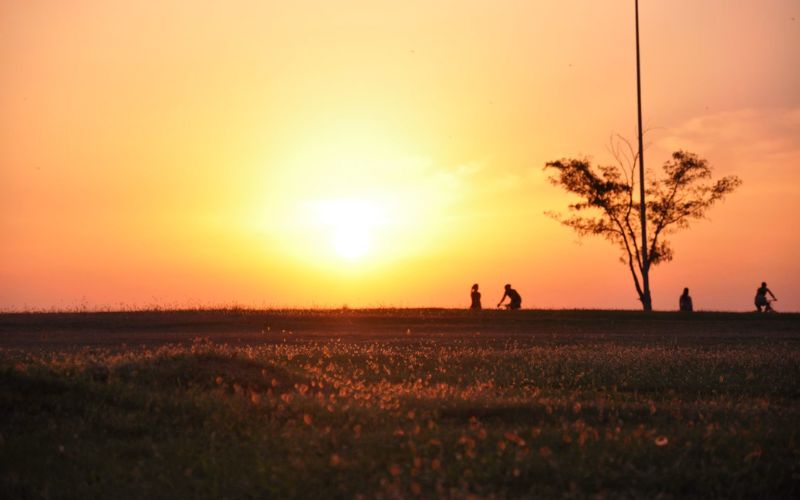
When searching what time does it get dark tonight, most people are actually referring to the time between sunset and full darkness. This period is called twilight, and it explains why the sky stays bright even after the sun disappears.
- Sunset
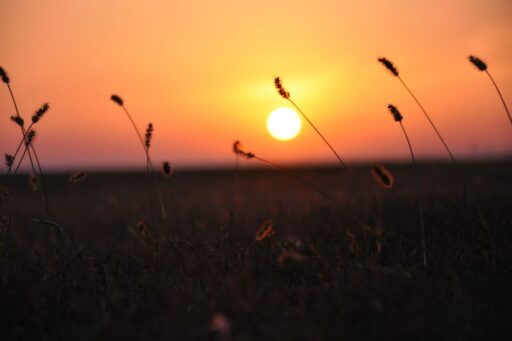
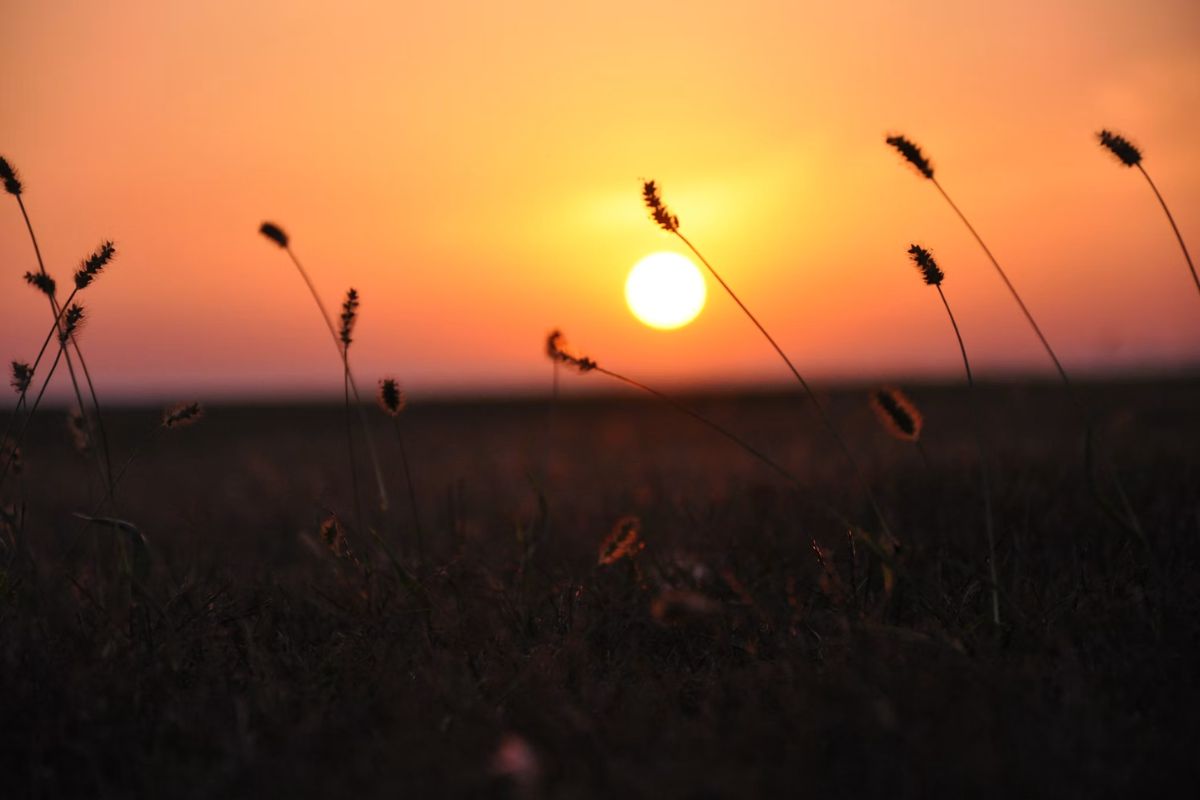
Sunset is the moment when the sun’s top edge drops below the horizon. At this point, daylight remains visible because sunlight continues scattering through Earth’s atmosphere.
- Civil twilight
Civil twilight begins immediately after sunset. During this period, outdoor activities can still be performed without artificial lighting in many situations. The sky remains noticeably bright even though the sun is no longer visible.
- Full darkness
Full darkness arrives when twilight ends and sunlight no longer provides meaningful illumination. The exact timing varies based on season, latitude, and weather conditions.
>>> Read more: How Many Seconds in a Year? The Exact Calculation Explained
Ways to Check Your Local Sunset Time
Because what time does it get dark changes daily, using local tools is the most accurate approach.
Weather and astronomy apps
Weather apps often include:
- Sunset times
- Twilight times
- Daily daylight duration
- Sunrise forecasts
These tools can quickly answer questions such as what time does it get dark now or tonight in your location.
Online sunset calculators
Many astronomy and weather websites offer sunset calculators. Simply enter your city or ZIP code to receive detailed information about sunset, twilight, and darkness.
Built-in phone weather tools
Most smartphones already provide sunset information. Open your weather application and scroll through the daily forecast. Many devices display both sunrise and sunset times automatically.
You can usually check your local sunset time without downloading an app by using your phone’s built-in weather feature or performing a location-based online search.
FAQs
Why darkness arrives earlier in winter?
Winter days are shorter because of Earth’s tilt relative to the sun. As a result, the sun follows a lower path across the sky, leading to earlier sunsets and earlier darkness.
How much time passes between sunset and complete darkness?
In many locations, full darkness arrives between 30 and 90 minutes after sunset. The exact timing depends on latitude, season, and atmospheric conditions.
When will it be dark in my location today?
The answer depends on your location. Checking a weather app, astronomy website, or built-in phone forecast will provide the most accurate local information.
Is it still light 30 minutes after sunset?
Yes, usually. Many areas remain within civil twilight 30 minutes after sunset, meaning there is still noticeable natural light in the sky.
Final Words
The answer to what time does it get dark depends on more than the clock. Location, season, latitude, and Earth’s rotation all influence when daylight finally fades.
A clear pattern emerges throughout the year. Summer evenings stay brighter longer, winter darkness arrives sooner, and twilight creates a period between sunset and full darkness that many people overlook.