



91,7% American households owned at least one vehicle. In order to keep the engine running smoothly, it is vital to check the oil regularly as part of routine auto maintenance.
Oil keeps moving parts from wearing out, keeps them from overheating, and decreases friction. Poor performance or catastrophic mechanical failure might result from an oil level that is either too low or has gotten filthy.
If you want to know how to check oil level in car step by step, go to the guide below.
When Is the Best Time to Check Your Car’s Oil Level?
Checking your engine oil regularly is one of the simplest ways to protect your engine and extend its lifespan. As a general rule, it’s a good idea to check your oil level at least once a month between oil changes, although some vehicles may require more frequent checks.
You should also check the oil before any long road trip, especially if you plan to drive several hundred miles. This helps ensure your engine has enough lubrication for extended driving conditions.
In addition, inspect the oil level immediately if you notice warning signs such as oil leaks, a burning smell, or unusual engine noise, as these may indicate that your vehicle is losing oil.
Since maintenance needs can vary by make and model, always refer to your owner’s manual for the most accurate guidance.

Preparation Steps Before Checking Your Oil Level
Before learning how to check oil level in car, it’s important to take a few simple preparation steps to ensure an accurate reading and stay safe during the process.
- Park on a Flat Surface
Always park your vehicle on level ground before checking the oil. A flat driveway, garage floor, or paved parking area works best because it ensures an accurate oil level reading.
- Allow the Engine to Cool Slightly
The ideal time to check your oil is when the engine is warm but not hot. After turning off the engine, wait about 5–10 minutes to allow the oil to drain back into the oil pan.
Never check the oil while the engine is running or immediately after a long drive, as hot engine parts and oil can cause serious burns.
- Gather Basic Supplies:
Before learning how to check engine oil level in car, prepare a few basic tools:
- A clean, lint-free cloth or shop towel
- Disposable gloves (optional, for cleaner handling)
- A flashlight to help you clearly see the dipstick and oil level
Before reaching into the engine compartment, make sure the vehicle is secure and safe to work around. Engage the parking brake, turn the engine off completely, and remove the key from the ignition if applicable.
>>> Read more: How to Clean Laptop Screen Without Scratching or Damaging It
How to Check Oil Level in Car: Step-by-Step
Checking your car’s oil level only takes a few minutes and can help you avoid serious engine damage. Follow these simple steps to get an accurate reading.
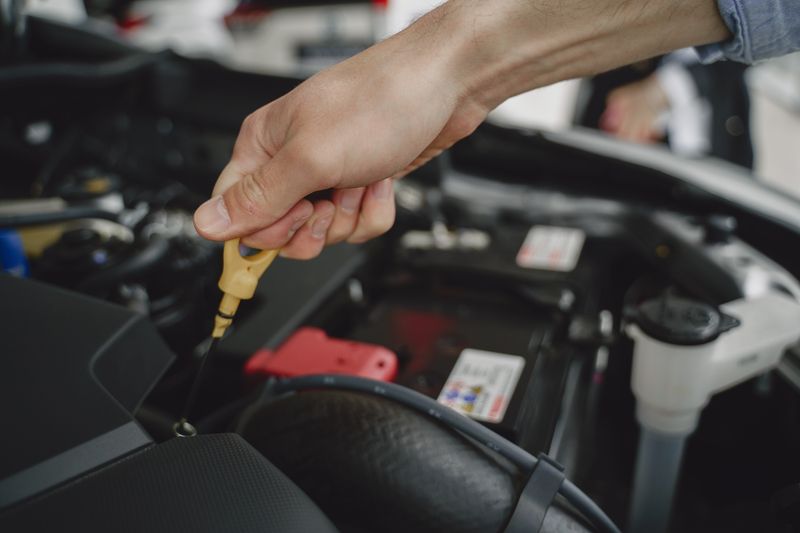
- Step 1: Locate the Oil Dipstick
Open the hood and locate the engine oil dipstick. It usually has a brightly colored handle (yellow, orange, or red) for easy identification.
In some vehicles, the dipstick may be positioned slightly deeper in the engine bay. If you have trouble finding it, refer to your owner’s manual.
- Step 2: Pull, Wipe, and Reinsert the Dipstick
The next step of how to check oil level in car is carefully pull the dipstick out completely and wipe it clean using a lint-free cloth.
Then, insert it back fully into the tube and pull it out again. This second pull gives you the most accurate oil level reading.
- Step 3: Read the Oil Level
Hold the dipstick horizontally and check the oil mark near the tip.
Most dipsticks have minimum and maximum indicators. The oil level should fall between these two marks for proper engine function.
- Step 4: Record and Track Your Results
After checking the oil, note down the date, mileage, and oil condition. Keeping a simple record helps you track oil usage over time and spot potential issues like leaks or excessive oil consumption early.
How to Check Oil Level in Cars Without a Dipstick
Some modern and luxury vehicles no longer use a traditional oil dipstick.
Instead, they are equipped with an electronic oil-level monitoring system that displays the information directly on the dashboard or infotainment screen. This feature is designed to provide more accurate and convenient readings without manual inspection.
So, how to check oil level in car on dashboard?
To check the oil level, start by parking your vehicle on level ground and ensuring the engine is warm but turned off for a few minutes.
Then, access the vehicle’s information, settings, or maintenance menu through the dashboard display. The system will show the current oil level digitally, often with clear indicators such as “OK,” “Low,” or a bar-style measurement.
Because the interface may vary depending on the vehicle make and model, always refer to your owner’s manual for exact instructions.
How to Add Oil Safely If the Level Is Low
If you’re learning how to check oil level in car, it’s important to know that when your engine oil level is at or below the minimum mark, you should add oil as soon as possible to prevent engine wear and potential damage.
- Locate and Open the Oil Filler Cap
Open the hood and find the engine oil filler cap, usually located on top of the engine. Carefully remove it and place it in a clean, safe area to avoid contamination or misplacement.
- Add Oil Gradually Using a Funnel
Use a clean funnel to pour oil into the filler opening to prevent spills. Add the oil slowly in small amounts rather than pouring too much at once, as overfilling can also cause engine issues.
- Allow Time for the Oil to Settle
After adding oil, wait a few minutes to allow it to flow into the oil pan and distribute properly through the engine.
- Recheck the Oil Level
Once the oil has settled, check the level again using the dipstick. The oil should be close to the maximum mark but should never exceed it.
>>> Read more: How to Clean a Dishwasher and Keep It Running Like New
FAQs
Do I check my oil level with the car running or off?
You should always check your engine oil with the engine turned off. For the most accurate reading, park on level ground, switch off the engine, and wait about 5–10 minutes before checking.
What if my car doesn’t have an oil dipstick?
Many modern vehicles use an electronic oil monitoring system instead of a traditional dipstick. The oil level is displayed digitally through the dashboard or vehicle information menu after a short measurement process.
What happens if you overfill the oil?
Overfilling engine oil can cause it to foam due to moving engine parts, which reduces lubrication efficiency. It may also increase internal pressure, leading to oil leaks, seal damage, and potential engine performance issues.
Do you check oil level cold or running?
The best time to check engine oil is when the engine is warm but turned off. Let it sit for a few minutes so the oil can settle back into the oil pan for an accurate reading.
How do I know how much oil is left in my car?
You can determine oil level by checking the dipstick or electronic display. The space between the “Min” and “Max” marks indicates whether your oil level is within a safe range.
How do I know if my car oil is low?
Low engine oil can be detected using the dipstick or dashboard warning light. Common signs also include unusual engine noise, oil leaks, or a burning smell while driving.
Final Words
Knowing how to check oil level in car correctly is essential for keeping your engine properly lubricated and running smoothly. For the most accurate reading, always perform the check on a level surface with the engine turned off and slightly cooled. So the oil has time to settle and the dipstick measurement is not distorted.
When done properly, the process should give you a clear and steady indication that your engine oil level is within the safe range. This simple routine helps you stay ahead of potential issues and ensures your vehicle continues to perform reliably over time.