

Dirt, grit, moisture, and improper cleaning methods can gradually damage the finish and reduce the lifespan of the flooring. Understanding how to clean hardwood floors correctly can help preserve their beauty while preventing unnecessary wear.
This guide covers essential tools, cleaning steps, stain-removal techniques, and maintenance tips to keep wood floors in excellent condition.
What You’ll Need to Clean Hardwood Floors
Before starting, gather the appropriate cleaning supplies. Using the right tools can help protect the finish while making the cleaning process more effective.
| Item | Purpose |
| Soft broom or dust mop | Removes loose dust and debris |
| Vacuum with hardwood floor setting | Cleans dirt from cracks and edges |
| Hardwood floor cleaner | Removes grime without damaging the finish |
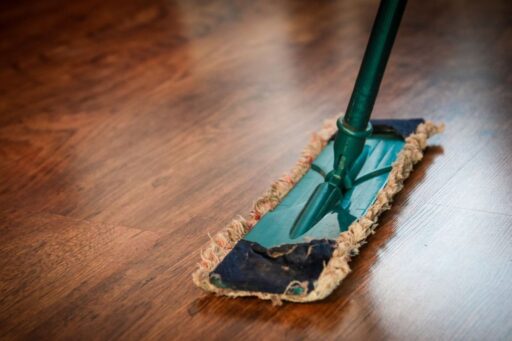
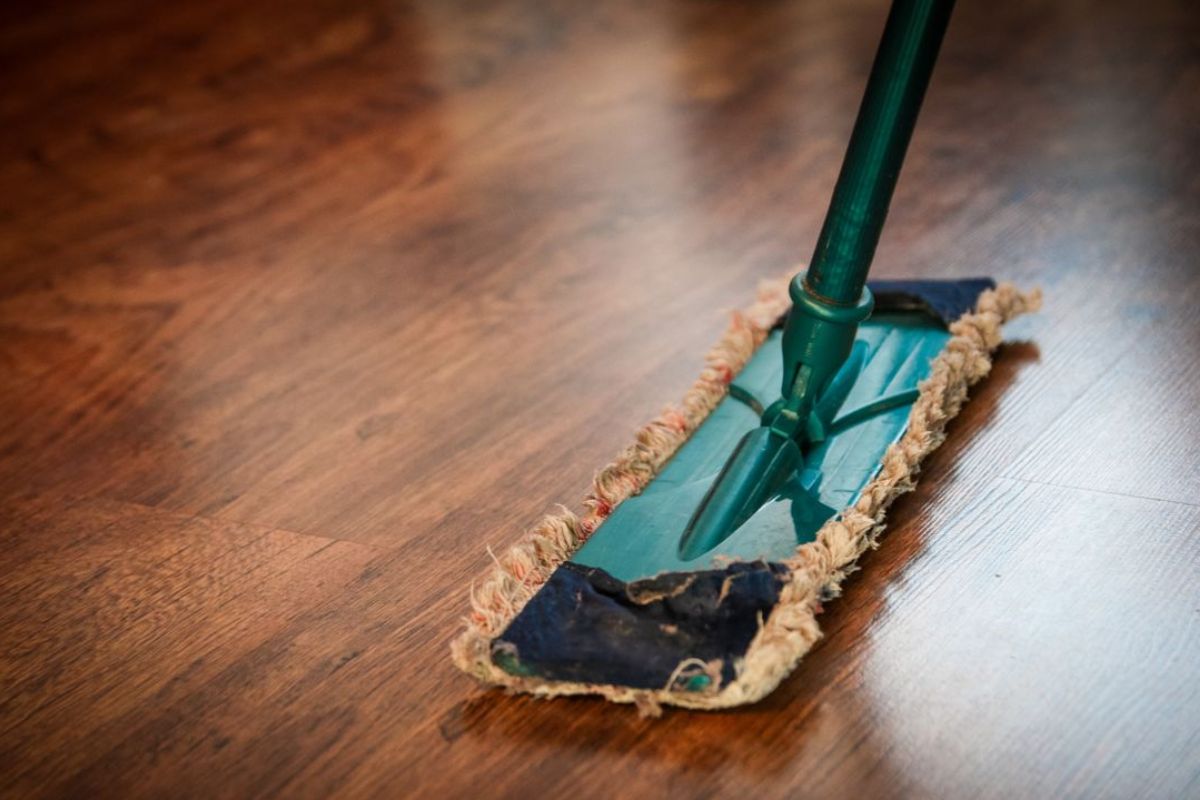
| Microfiber mop | Cleans gently without scratching |
| Soft microfiber cloth | Drying and spot cleaning |
| Spray bottle | Applying cleaner evenly |
>>> Another helpful blog: How To Remove Water Stains From Wood: 9 Simple Methods
How to Clean Hardwood Floors in 5 Easy Steps?
Following a consistent cleaning routine can help remove dirt buildup while protecting the floor’s finish.
Step 1: Remove Dust and Debris
Begin by sweeping or dust-mopping the floor to remove loose dirt, pet hair, and debris. Dust and small particles may seem harmless, but they can act like sandpaper underfoot and gradually scratch the surface.
Pay extra attention to corners, baseboards, and high-traffic areas where debris tends to accumulate.
Step 2: Vacuum the Floor
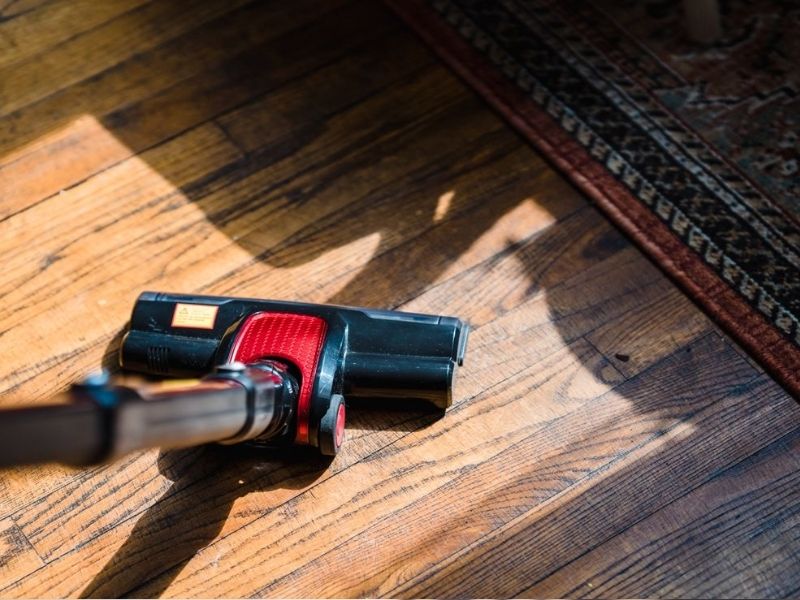
The next step on how to clean hardwood floors is to vacuum the floor using a hardwood-safe attachment or setting after removing visible debris.
Vacuuming helps remove fine dust and particles that sweeping may miss, especially between floorboards and along edges. Avoid using rotating brush rolls unless they are specifically designed for hardwood surfaces.
Step 3: Apply a Hardwood Floor Cleaner
Choose a cleaner recommended for hardwood flooring and follow the manufacturer’s instructions.
Spray the cleaner lightly onto the floor or directly onto the microfiber mop rather than soaking the surface. Excess moisture can damage wood over time, so less is usually better.
Step 4: Mop with a Microfiber Mop
Using a slightly damp microfiber mop, clean the floor in the direction of the wood grain.
Microfiber materials are effective at lifting dirt while being gentle on the finish. Work in small sections and avoid leaving standing liquid on the floor.
For homeowners wondering how to clean old hardwood floors, a gentle approach is especially important since older finishes may be more vulnerable to moisture and abrasive cleaning products.
Step 5: Dry the Floor
The final step of how to clean hardwood floors effectively is dry all the floor.
Once cleaning is complete, inspect the surface for any remaining moisture. Use a dry microfiber cloth or mop to remove any damp spots if needed.
Leaving water on hardwood surfaces can increase the risk of staining, warping, or finish damage, so make sure the floor is fully dry before finishing.
How Often Should You Clean Wood Floors?
The frequency of cleaning hardwood floors depends on how much daily wear and tear they experience. Homes with high foot traffic, pets, or children may need more frequent care, while quieter households can clean less often.
When dirt, grime, or dullness starts to build up, it may be time to how to deep clean hardwood floors to restore their natural shine and maintain the finish.
As a general maintenance routine, you can follow this schedule:
- Sweep or dust mop every few days to remove surface dirt and prevent scratches
- Vacuum once a week to clean along edges and between floorboards
- Wipe up spills immediately to avoid moisture damage or staining
- Perform a deeper clean every one to two months, or whenever floors start to look dull or sticky
Regular maintenance combined with occasional deep cleaning helps extend the life of your hardwood floors and keeps them looking clean and well-maintained.
How to Remove Common Hardwood Floor Stains?
Different types of stains on hardwood floors require slightly different cleaning approaches, depending on what caused the damage and how long it has been sitting on the surface.
The same care principles also apply when learning how to clean engineered hardwood floors, since both surfaces require gentle, moisture-controlled cleaning methods to protect the finish.
- Scuff Marks
Scuff marks are often caused by shoes, furniture, or rubber materials.
Many can be removed by gently rubbing the area with a microfiber cloth or a soft eraser designed for household cleaning.
- Sticky Residue
Adhesive residue, food spills, or dried liquids can leave sticky spots behind.
Apply a small amount of hardwood-safe cleaner to the area and gently wipe with a microfiber cloth until the residue loosens.
- Pet Accidents
Pet urine should be cleaned as quickly as possible to reduce the risk of staining and odor absorption.
Blot the area immediately and clean it using a hardwood-safe product suitable for pet-related messes.
- Water Spots
White water spots often form when moisture remains on the finish rather than penetrating the wood itself.
In many cases, gently buffing the area with a soft cloth may improve the appearance. Persistent spots may require additional treatment depending on the severity.
>>> You might be interested in: How to Wash Cashmere Without Ruining Its Softness or Shape
Tips to Keep Hardwood Floors Clean
Keeping hardwood floors in good condition is much easier with consistent care than dealing with heavy dirt buildup or costly repairs later. While knowing how to clean hardwood floors is important, long-term maintenance habits play an even bigger role in preserving their appearance and durability.
Simple daily and weekly practices can help reduce scratches, prevent damage, and extend the life of your flooring:
- Place doormats at all entrances to reduce dirt, dust, and grit brought inside
- Use felt pads under furniture legs to reduce scratches when moving or shifting items
- Avoid excessive water during cleaning, as moisture can damage or warp hardwood surfaces over time
- Trim pet nails regularly to minimize surface scratches caused by movement
- Vacuum or dust high-traffic areas more frequently to prevent buildup of debris
- Use cleaning products specifically formulated for hardwood floors to protect the finish
With these simple habits, you can keep your hardwood floors cleaner, smoother, and well-protected for years to come.
FAQs
How to clean engineered hardwood floors?
The process to clean engineered hardwood floors is similar to solid hardwood flooring. Use a microfiber mop, minimal moisture, and cleaners approved by the flooring manufacturer.
What should you not put on a hardwood floor?
Avoid excessive water, steam cleaners unless specifically approved, abrasive cleaners, and products containing harsh chemicals that may damage the finish.
Is it okay to wet mop hardwood floors?
A lightly damp microfiber mop is usually acceptable when cleaning hardwood floors, but floors should never be saturated with water.
What is the best thing to clean hardwood floors with?
A microfiber mop combined with a hardwood-specific cleaner is generally considered one of the safest and most effective options to clean hardwood floors.
Final Words
Learning how to clean hardwood floors properly is essential for protecting their finish and extending their lifespan. When combined with regular maintenance and occasional deep cleaning, these methods help prevent scratches, stains, and long-term damage.
By following the right care routine, you can ensure your hardwood floors stay durable, attractive, and easy to maintain in any home environment.