


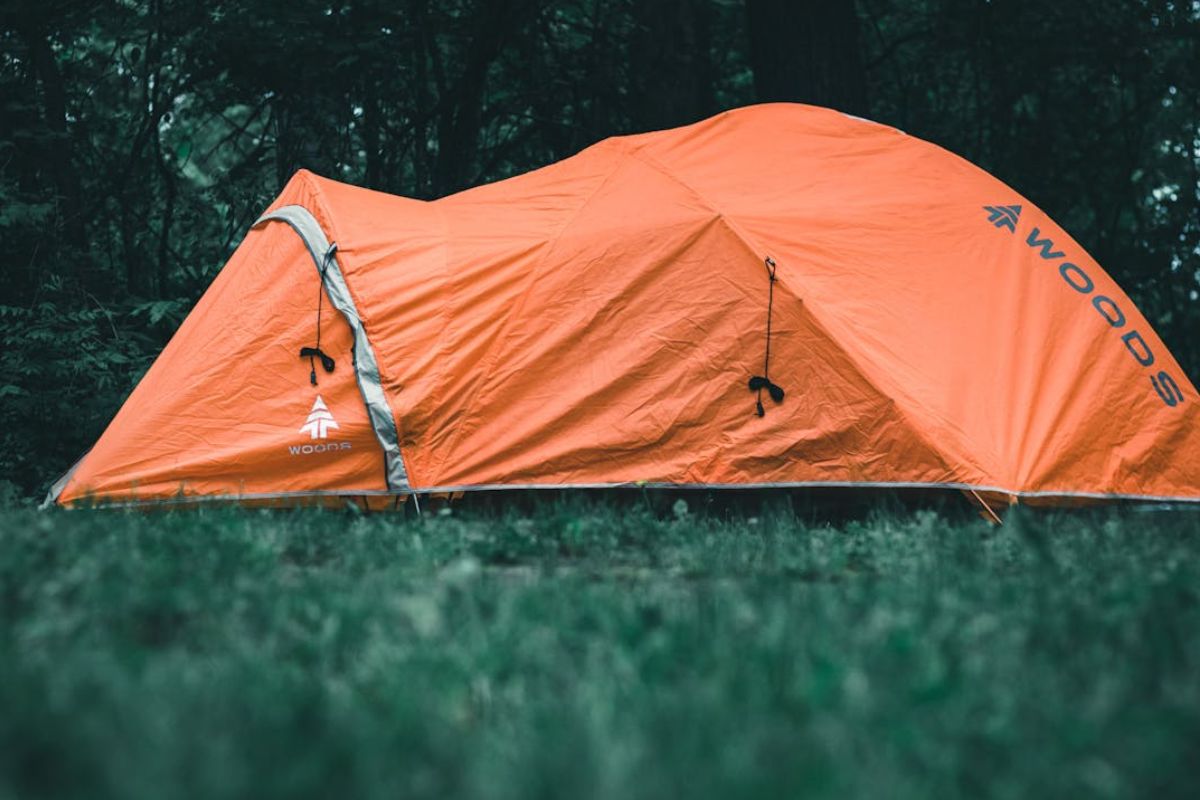

Staying dry when camping might be the difference between a pleasant and unpleasant experience. Rain, ground moisture, and morning condensation may quickly turn a tent into an issue if not adequately covered.
That is why knowing how to waterproof a tent is essential. This tutorial will guide you through practical strategies to increase water resistance and keep your shelter dry in rainy circumstances.
How to Tell if Your Tent Needs Waterproofing?
A tent’s water resistance can weaken over time due to regular exposure to outdoor conditions such as sunlight, mud, rain, and dust. Inspecting your tent before heading outdoors may help you spot potential waterproofing issues before heavy rain.
- Water no longer beads on the fabric: If rainwater soaks into the material instead of forming droplets and rolling off, the waterproof coating may be wearing down.
- Check for peeling or flaky coating: Inspect the inside of the rainfly and tent floor for sticky, peeling, or flaky areas. There’re common signs that waterproof protection is breaking apart.
- Look for leaking seams: Water entering through stitched areas during rain may mean the seam sealant has weakened and needs reapplication.
- Inspect before every trip: Checking the fabric, seams, and coating condition ahead of time can help catch waterproofing issues early and reduce the chance of leaks outdoors.
>>> Read more: How To Clean Burnt Pan Easily: 7 Simple Tricks
How to Waterproof a Tent: 3 Helpful Methods
Different waterproofing techniques can improve rain protection and restore moisture resistance.
Below are three common ways many campers use to improve tent water resistance.
Method 1: Seal Tent Seams
Many campers focus on seam sealing first because even a small leak around stitched areas can let water in during heavy rain.
To fix this, clean the seams carefully and apply a seam sealer designed for your tent material.
Moreover, make sure the tent is fully dry before starting, since moisture can affect how well the sealant bonds to the fabric.
Method 2: Refresh the Urethane Coating
Some tents include a urethane coating on the inside surface of the rainfly or floor to improve waterproofing. As the tent ages, this protective layer may begin to peel, become sticky, or lose effectiveness.
Applying a fresh urethane coating can help restore water resistance and improve protection during wet weather. Before recoating, gently clean the fabric and remove damaged material if necessary.
Wonder how to make a tent waterproof? This method is often recommended for older tents that have begun to absorb water rather than repel it.
Method 3: Refresh the DWR
DWR, short for Durable Water Repellent, is the outer protective layer that helps water form droplets on the tent surface rather than soaking into the fabric. Over time, dirt, UV exposure, and regular use can reduce the effectiveness of this coating.
Applying a waterproofing spray may help restore the protective outer layer and improve the tent’s ability to resist moisture.
After applying the spray, allow the tent to dry completely before packing or using it outdoors.
Generally, refreshing the DWR coating is often considered one of the most practical maintenance steps when it comes to how to waterproof a tent.
Important Tent Waterproofing Tips
A few simple maintenance habits on how to waterproof a tent can help improve the final results and keep tents in better condition for longer.
- Clean the tent before applying waterproofing products
- Allow the tent to dry completely before storage
- Reapply waterproofing treatments when water stops beading properly
- Avoid folding wet tents for long periods
- Keeping the tent in a dry and well-ventilated storage area may help reduce moisture damage and mildew buildup
- Check seams and corners regularly for small leaks
How to Set Up Your Tent for Better Waterproofing
A few simple setup habits below may improve drainage, reduce moisture buildup, and keep the inside of the tent drier throughout the trip.
- Choose Higher Ground
Setting up your tent on slightly elevated ground can help prevent rainwater from flowing toward the camping area. Low spots are more likely to collect water during heavy rain.
- Use a Tent Footprint
A tent footprint creates an extra protective layer between the tent floor and the ground surface. This extra layer may help reduce ground moisture and protect the tent floor from faster wear over time.
- Avoid Touching Tent Walls
Sleeping bags, clothes, or other gear pressing directly against tent walls may allow moisture to transfer inside. Leaving a small gap between the fabric and your belongings can help reduce condensation issues.
- Secure the Rainfly Properly
A properly tightened rainfly usually provides better coverage and helps water flow away from the tent more effectively. It may also improve ventilation and reduce trapped moisture inside the tent.
>>> Read more: How To Clean Window Screens: 5 Simple Steps for Beginners
FAQs
What’s the best way to waterproof your tent?
Regarding how to make a camping tent waterproof, the most effective approach is usually to apply a seam sealer.
- Apply seam sealer to stitched areas.
- Refresh the waterproof coating using a suitable waterproof spray or treatment.
- Use a groundsheet and check the rainfly and tent floor for wear before trips.
Can I use silicone spray to waterproof a tent?
Yes, you may use specialized silicone water-repellent sprays to treat the exterior of your tent fabric. Nevertheless, avoid using standard hardware-store lubricant silicone sprays, because they contain additives and propellants that can ruin the tent material.
Can I just throw a tarp over my tent?
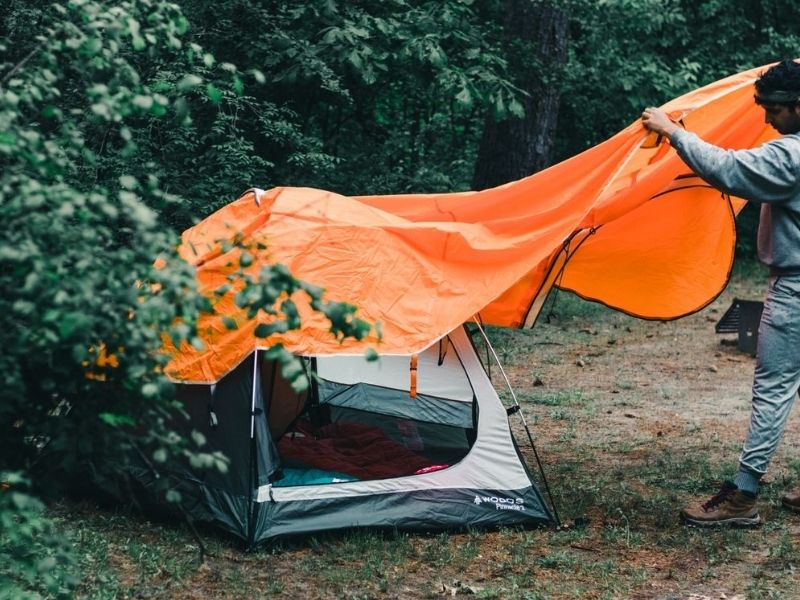
A tarp can add extra rain protection, especially in heavy weather, but it does not replace proper tent waterproofing. If you use one, pitch it above the tent with enough space for airflow rather than laying it directly on top, because trapped moisture can lead to condensation and leaks.
Do tents lose waterproofing over time?
Yes. Waterproof coatings and seam protection can wear down with regular use, UV exposure, rain, and moisture. Polyester tents may need reproofing after 2–4 years, while canvas tents often stay waterproof longer.
Bottom Lines
Knowing how to waterproof a tent properly can help improve comfort during camping trips and reduce the chances of water entering the tent in wet conditions. By maintaining the seams, refreshing waterproof coatings, and setting up your tent carefully, you can improve water resistance and keep your tent in better condition for future adventures.