

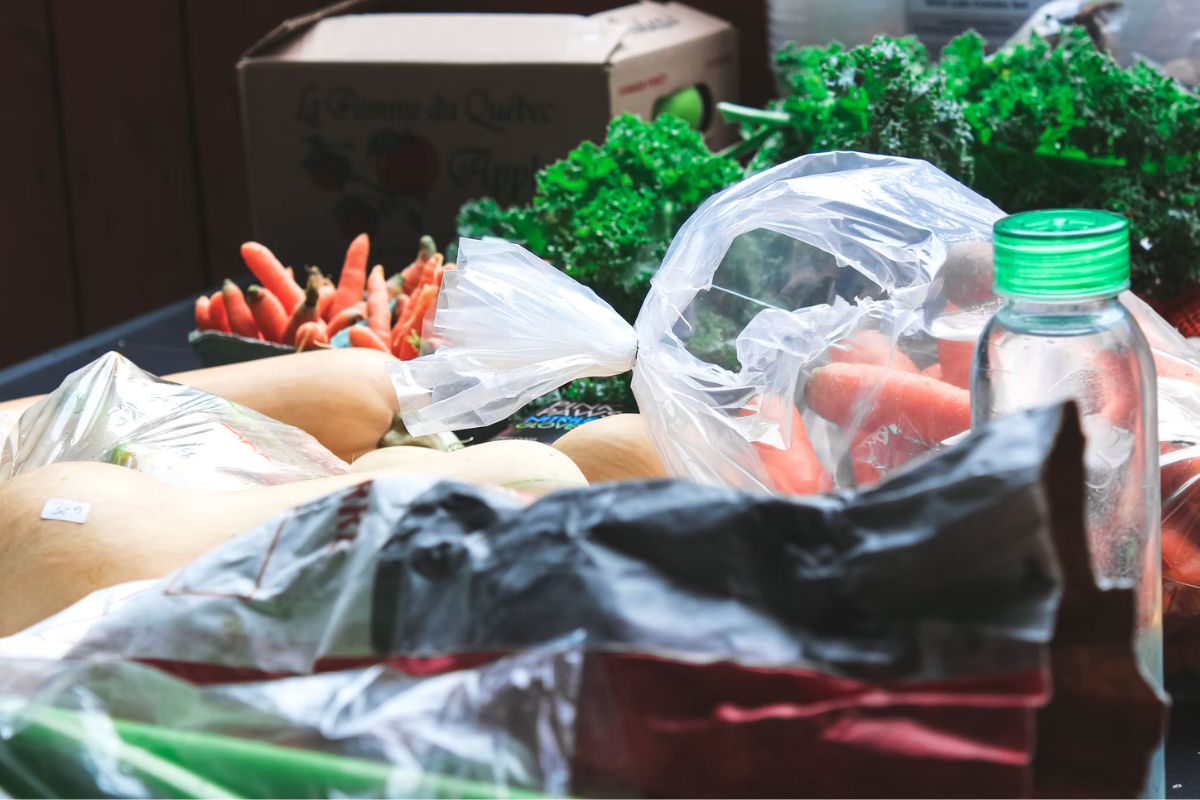

Two grocery carts can ring up at the same price and feed a household for very different lengths of time. What matters is how much of what you buy makes it onto the dinner table before it spoils.
If you’re figuring out how to save money on groceries, these 12 tips cover the choices you make before shopping, in the aisles, and once you’re back in the kitchen.
How to Save Money on Groceries: 12 Easy Ways
Your grocery bill takes shape long before you reach the checkout. These twelve ideas cover planning, shopping, and using what you buy, with tips on how to save money on groceries online when delivery or pickup fits your routine.
1. Build Your Grocery List Around Meals, Not Individual Products
Pick three or four meals you’ll realistically cook this week, then list the ingredients you’re missing. Leave room for a quick dinner on busy nights. Having an easy backup makes it less tempting to order takeout when plans change.
2. Set a Grocery Budget Based on Your Household’s Actual Needs
Use recent receipts to see what your household spends in a typical week. Separate food from household products like detergent so you have a clearer baseline. Adjust for dietary needs, household size, and weeks when you need to restock staples.
3. Compare Unit Prices to Find the Better Deal
Check the price per ounce or pound on the shelf tag rather than judging by the package price. Use the same unit for both products. Buy the larger size only if it fits your budget and you’ll use it.
4. Choose Ingredients That Can Work Across Multiple Meals
Give fresh ingredients more than one job before adding them to your list. Cabbage can go into tacos, stir-fry, and slaw, while plain yogurt can work at breakfast and in a sauce. Skip specialty ingredients you’re unlikely to use again.
5. Buy Seasonal Produce and Choose Frozen Options Strategically
Compare seasonal produce with frozen alternatives instead of assuming fresh always costs less. Frozen spinach works well in soups, while frozen berries make sense for smoothies. If you need only a handful at a time, a resealable bag can reduce waste.
6. Reduce Meat Costs Without Giving Up Protein
Try stretching ground meat with lentils in pasta sauce or beans in taco filling. For meals where meat isn’t central, compare eggs, tofu, and canned beans by cost per serving. Pick options your household already enjoys and knows how to prepare.
7. Shop Your Pantry and Freezer Before Buying More Food
Check what’s open, what’s nearly empty, and what’s been sitting untouched. Build one dinner around an ingredient you already own, such as rice or canned tomatoes. Keep a short freezer inventory so you don’t buy duplicates or forget what’s there.
8. Understand Food Labels to Avoid Unnecessary Waste
“Best if used by” generally refers to quality. Rotate packages so older items get used first, and follow storage directions once a product is opened. Never rely on a date or smell alone to decide whether perishable food is safe.
9. Make a Shopping Strategy for Walmart Without Overspending
If you’re figuring out how to save money on groceries at Walmart: compare store brands with your usual picks by unit price. Check whether a multipack actually costs less per serving, and stick to your list when browsing sale displays.
10. Save on Groceries Online by Comparing the Full Order Cost
When deciding how to save money on groceries online, compare the final total for the same basket across stores. Include delivery fees, minimum order requirements, and tips where applicable. Review substitution settings so a pricier replacement doesn’t push you over budget.
11. Store Groceries Properly to Make Them Last Longer
Put items you need to use soon at the front of the fridge. Keep bread you won’t finish in the freezer, sliced for easy portions. Follow package storage directions and label frozen foods so you can find and use them later.
12. Turn Leftovers Into Planned Meals Instead of Food Waste
Decide what you’ll do with leftovers before serving dinner. Set aside a portion for lunch or turn extra cooked vegetables into a filling for quesadillas. If you won’t use the leftovers soon, freeze them promptly in portions you’ll actually reheat.
>>> Read More: How to Save Money Fast on a Low Income: 10 Easy Ways
How to Reduce Food Waste and Stretch Your Grocery Budget
Reducing food waste is one of the simplest ways to save money on groceries. Proper storage, creative leftovers, and better meal planning help you get more value from the food you’ve already purchased.
- Store perishables properly: Refrigerate or freeze foods promptly to prevent spoilage and maintain freshness.
- Repurpose leftovers: Turn cooked vegetables into soup, leftover chicken into wraps, or beans into another affordable meal.
- Freeze extra portions: Store food you won’t eat soon in labeled, meal-sized containers to extend its usable life.
- Use perishable ingredients first: Plan meals around foods approaching their recommended storage limits before opening shelf-stable products.
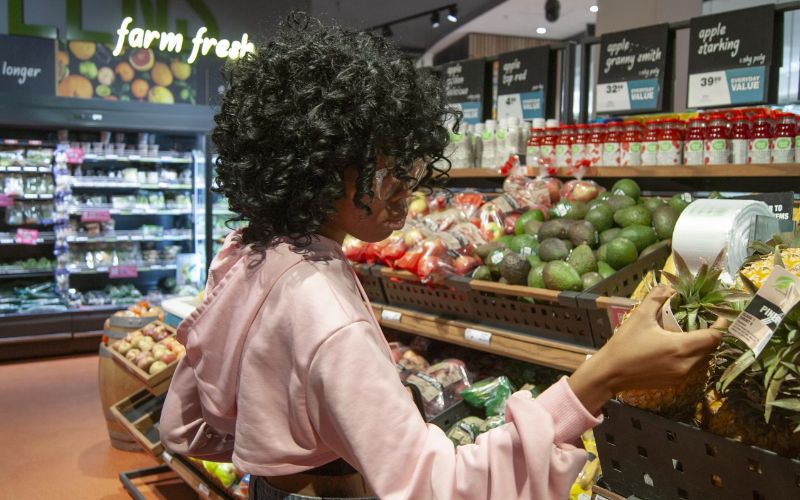
How to Save Money on Groceries With SNAP and Other Assistance
When grocery prices put pressure on a household budget, food assistance programs can help families afford nutritious meals without sacrificing essential expenses. The Supplemental Nutrition Assistance Program (SNAP) is a federal program that helps eligible households purchase qualifying foods, including:
- Fruits and Vegetables: Fresh, frozen, and canned produce can help families maintain a balanced diet.
- Meat, Poultry, and Seafood: SNAP benefits can cover eligible protein sources for everyday meals.
- Dairy Products: Milk, cheese, yogurt, and other qualifying dairy items are generally covered.
- Bread and Grains: Eligible purchases include bread, rice, cereals, pasta, and other grain products.
Families can also look for additional savings at participating farmers’ markets. Some offer nutrition incentives such as Double Up Food Bucks, which match SNAP purchases to increase purchasing power for eligible fruits and vegetables. However, availability and matching limits vary by location and program rules.
If grocery costs remain difficult to manage, contact local food pantries or community assistance organizations for additional support.
Another Way to Stretch Your Grocery Budget: Cut Your Phone Bill
Your grocery budget doesn’t exist in isolation. When phone bills, utilities, and other recurring expenses take up most of your paycheck, there’s less money left for food. Finding ways to lower those bills can make grocery shopping a little easier.
For eligible households, the federal Lifeline program helps reduce monthly phone or internet service costs.
AirTalk Wireless, a participating Lifeline provider, offers qualifying customers wireless plans that may include:
- $0 Monthly Service: Available with qualifying plans, depending on your location.
- Unlimited Talk & Text: Stay connected without worrying about monthly call or text limits.
- Monthly Mobile Data: Access data based on your state’s available offers.
- International Calling: Stay in touch with family abroad, subject to plan terms.
You may qualify through SNAP, Medicaid, or household income. Eligibility and plan benefits vary by location.
Reducing your phone bill could leave more money for groceries and other essentials.

>>> Read More: What Are the Advantages of Saving Up for Large Purchases? 8 Key Benefits
FAQs
What Is the 5-4-3-2-1 Grocery Rule?
One common version calls for five vegetables, four fruits, three protein sources, two carbs or sauces, and one treat. Treat those numbers as a shopping prompt: buy less produce if you already have some at home or can’t use it in time.
How Can I Drastically Lower My Grocery Bill?
Review several receipts to find the categories where a change could make a real difference, then test one swap, such as replacing some meat with beans in meals you already cook. If your cart is already down to essentials, check whether SNAP or local food assistance can help cover the gap.
Can You Live on $200 a Month for Food?
Some people may manage on $200 a month, but it depends on local prices, household size, dietary needs, and access to a kitchen. Price out a realistic week of meals before committing to that target, including what you’ll need when pantry staples run out.
Is $50 a Week Enough for Groceries?
It may be enough for one person in some areas, especially if they can cook at home and already have staples like oil, rice, and spices. For a larger household or someone with specific dietary needs, $50 may cover only part of the week’s food.
Final Thoughts
Look at what goes uneaten at the end of the week before deciding what to buy less of. That can help you figure out how to save money on groceries without cutting foods your household needs or enjoys.
Start with one change you can repeat next week, whether that’s freezing an extra dinner portion or planning a meal around what’s already in the fridge. For more budgeting ideas, turn to Zeo Learn.