


Music subscriptions rarely stay simple for long. Someone starts with the free version of one app, builds playlists over years, then wonders whether another service offers better sound, lower cost, or smarter recommendations.
This guide breaks down Spotify vs Apple Music across features, pricing, sound quality, and user experience to help identify which platform actually fits your habits.
Spotify vs Apple Music: Quick Feature Comparison That Matters Most
When comparing Apple Music vs Spotify, differences appear less in music libraries and more in recommendations, ecosystem integration, and listening experience.
| Feature | Spotify | Apple Music |
| Music library | Extensive | Extensive |
| Music discovery | Strong algorithms and playlists | Improving recommendations |
| Audio quality | High quality streaming | Lossless + Spatial Audio support |
| Free plan | Available | No permanent free tier |
| Apple ecosystem integration | Moderate | Strong |
| Cross-platform compatibility | Excellent | Good |
| Social sharing | Strong | More limited |
Spotify often emphasizes discovering music, while Apple Music focuses more on listening quality and ecosystem integration.
Spotify vs Apple Music at a Glance: Which Service Fits Your Needs?
Choosing between Apple Music vs Spotify often depends less on technical features and more on everyday listening habits. The better platform for one person may feel limited to another because priorities differ: recommendations, sound quality, price, or device compatibility.
Best for casual listeners
For users who mostly stream music during commuting, workouts, or background listening, Spotify often feels more accessible.
Reasons include:
- Free ad-supported tier available
- Strong personalized playlists
- Easy music sharing with friends
- Broad compatibility across devices
Someone who listens occasionally may prefer avoiding monthly subscriptions immediately. This partly explains why casual users often lean toward Spotify in the Spotify vs Apple Music debate.
Best for audiophiles and sound quality
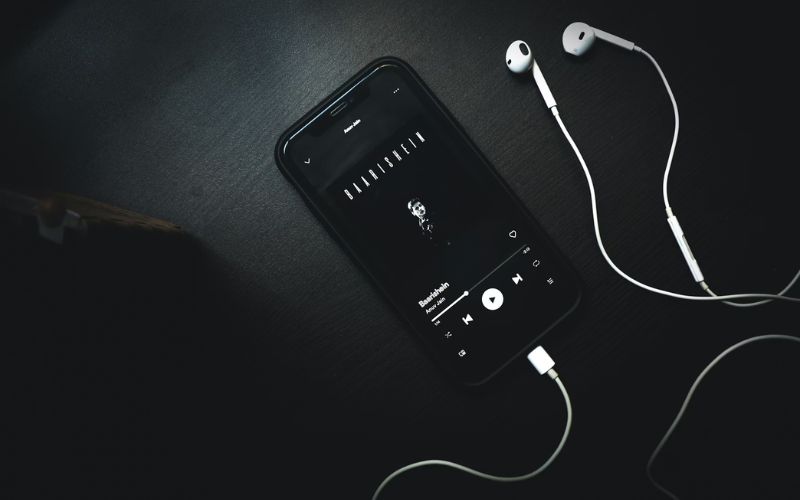
Users with premium headphones, home audio systems, or stronger interest in sound quality may prefer Apple Music.
Features include:
- Lossless Audio
- Hi-Res Lossless support
- Spatial Audio with supported devices
However, higher audio quality does not always create noticeable differences for every listener. Equipment and listening habits still influence results.
Best for discovering new music
Spotify remains known for helping users discover artists beyond their existing playlists, which partly explains why Spotify vs Apple Music comparisons often favor Spotify for music discovery.
Popular features include:
- Discover Weekly
- Daily Mix playlists
- Personalized recommendations
- Algorithm-driven suggestions
For listeners who enjoy finding niche genres or emerging artists, recommendations sometimes become more valuable than library size itself.
Best for Apple ecosystem users
People already using:
- iPhone
- Apple Watch
- Home
- Pod
- Mac
- Siri
May find Apple Music more seamless.Commands, syncing, and playback often feel more integrated across Apple devices. That partly explains why Spotify vs Apple Music which is better, receives different answers depending on the ecosystem someone already uses.
Best for students, families, and shared plans
Both platforms offer:
- Student discounts
- Family subscriptions
- Shared account options
The decision often shifts from pricing to features.
For example: Families sharing Apple devices may prefer Apple Music integration, while mixed-device households sometimes value Spotify’s broader compatibility.
This overlap partly shapes the continuing apple music vs spotify price conversation because subscription costs alone rarely determine long-term satisfaction.
>>> Read more: Best Jazz Albums for Beginners: Essential Picks You’ll Actually Enjoy
How Much is Apple Music vs Spotify? Pricing Breakdown
When comparing how much is Apple Music vs Spotify, monthly costs often look similar at first, which partly explains why Spotify vs Apple Music discussions usually extend beyond price to features and ecosystem value.
| Plan Type | Spotify | Apple Music |
| Free plan | Yes (ad-supported) | No permanent free tier |
| Individual plan | Paid monthly | Paid monthly |
| Student plan | Discounted | Discounted + some bundled benefits in regions |
| Family plan | Shared accounts | Shared accounts |
| Trial period | Usually available | Usually available |
| Lossless audio included | No | Yes |
| Best for | Casual listeners, discovery | Apple users, sound quality |
FAQs
Is Spotify cheaper than Apple Music?
Yes. Spotify may feel cheaper because it offers a free ad-supported plan, allowing users to stream without paying monthly. Apple Music generally requires a paid subscription after trial periods end.
Which has better sound quality?
Apple Music often receives stronger answers for sound quality, which partly explains why Spotify vs Apple Music comparisons frequently favor Apple Music for listeners prioritizing premium audio features. It supports:
- Lossless Audio
- Hi-Res Lossless formats
- Spatial Audio on supported devices
Spotify still provides good streaming quality for many listeners, though differences may become more noticeable with higher-end headphones or speakers. For casual listening, the gap may feel smaller than specifications suggest.
Can playlists transfer between Spotify and Apple Music?
Yes. Third-party services can move playlists between platforms, helping users switch without rebuilding libraries manually.
However:
- Some songs may not transfer exactly
- Metadata differences sometimes occur
- Playlist organization may change slightly
Results depend on licensing availability and transfer tools.
Which platform has more users globally?
Spotify generally reports a larger worldwide user base, partly because its free tier attracts additional listeners. This partly explains ongoing interest in how many people use Spotify vs Apple Music, though larger user numbers do not automatically mean a better experience for every listener.
Bottom Lines
Comparing Spotify vs Apple Music often looks like a question about subscriptions, but it usually becomes a question about routines. The service that fits naturally into workouts, commuting, studying, or relaxing at night tends to matter more than isolated features.
People stay with platforms that simplify habits, support preferred devices, and make finding or enjoying music feel effortless. The better choice depends on whether you prioritize discovery, audio quality, flexibility, or staying within a familiar ecosystem.