
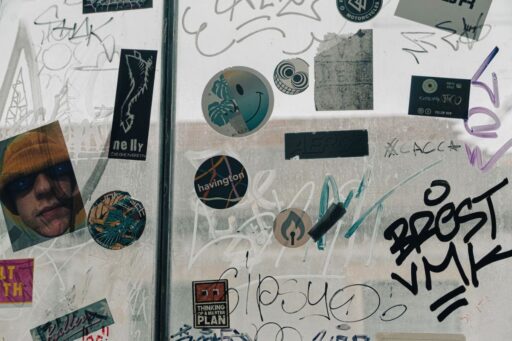
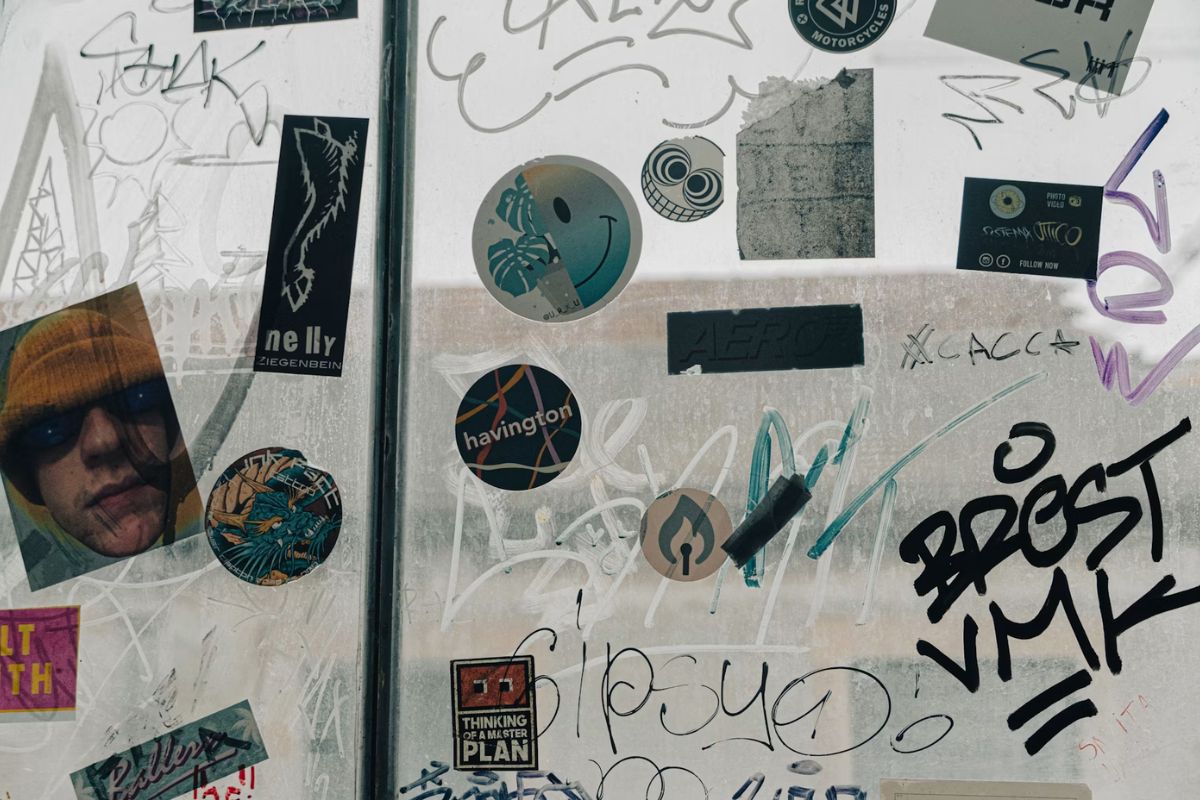

A new glass jar looks useful until the label refuses to come off. A decorative sticker leaves cloudy residue on a window. A price tag on glass peels halfway, then turns into a sticky mess that seems impossible to remove.
This guide explains how to remove stickers from glass step by step, including stubborn price labels, car glass concerns, and ways to keep glass clear afterward.
How Stickers Become Difficult to Remove Over Time
Fresh stickers usually peel away more easily because adhesive remains flexible.
Over time:
- Heat hardens adhesive
- Sun exposure changes texture
- Moisture affects bonding
- Dust mixes with residue
As adhesive ages, removal often becomes harder. That partly explains why old labels on jars or windows resist simple peeling.
How to Remove Stickers From Glass Step by Step
Before learning how to remove stickers from glass, check whether the surface is tinted, exposed to sunlight for long periods, or part of a vehicle. Small differences often change which method works safely.
Step 1: Soften the adhesive first
Start by softening the adhesive instead of peeling immediately. Apply a warm damp cloth, soak with warm water, or use mild heat from a hair dryer for several minutes. Soft adhesive usually lifts more easily and reduces the need for force later.
Step 2: Peel slowly instead of pulling quickly
Once edges begin lifting, peel the sticker slowly at an angle rather than pulling upward quickly. Fast removal often tears paper layers and leaves more adhesive stuck to the glass.
Step 3: Remove remaining adhesive carefully
After removing the sticker, some residue may remain. Apply rubbing alcohol, mild dish soap, white vinegar, or glass-safe adhesive remover, then wipe gently. Removing leftover adhesive often takes longer than removing the sticker itself.
Step 4: Clean and dry the glass completely
Finish by wiping the surface with a soft microfiber cloth to remove remaining residue and moisture. Drying thoroughly helps reduce streaks and supports removing stickers from glass without residue more effectively.
>>> Read more: How to Clean Window Tracks: Simple Methods for Every Type
How to Remove Stickers from Glass Without Residue
Removing the sticker is often easier than removing the adhesive left behind. These steps help reduce sticky residue and keep glass clearer afterward.
- Step 1: Warm the sticker before peeling
Apply a warm damp cloth or mild heat from a hair dryer for 30-60 seconds. Softening the adhesive first usually makes removal cleaner and reduces residue.
- Step 2: Peel slowly at an angle
Lift one corner and peel gradually instead of pulling quickly. Slow removal often prevents paper layers and adhesive from separating unevenly.
- Step 3: Treat remaining adhesive
If residue remains, apply:
- Rubbing alcohol
- Mild dish soap
- Glass-safe adhesive remover
- White vinegar for lighter residue
Allow it to sit briefly before wiping.
- Step 4: Wipe using a microfiber cloth
Use a soft microfiber cloth with gentle pressure to remove loosened adhesive. Avoid abrasive pads that may scratch glass.
- Step 5: Finish with glass cleaner
Clean the surface one final time to remove smudges and restore clarity. This helps support how to remove stickers from glass without residue more effectively.
How to Remove Stickers from Car Glass Safely
Car windows need extra care because surrounding materials may include window tint, coatings, or defroster lines.
- Step 1: Check whether the glass is tinted
Before starting, identify if the window contains tint film. Tinted glass often requires gentler methods and fewer harsh chemicals.
- Step 2: Soften adhesive carefully
Apply:
- Warm water
- Damp cloth
- Mild heat
Avoid excessive heat on tinted surfaces, which partly explains why how to remove stickers from glass may require gentler methods for car windows or coated glass.
- Step 3: Lift the sticker with a plastic tool
Use: Plastic scraper or fingernailAvoid metal blades because they may scratch glass or damage tint.
- Step 4: Remove residue using glass-safe products
Apply rubbing alcohol or adhesive remover designed for automotive glass. Test small areas first if tint is present.
- Step 5: Clean and inspect the surface
Finish by wiping with microfiber cloth and checking for remaining adhesive or streaks.
How to Keep Glass Clean After Sticker Removal
Removing the sticker does not always remove oils or adhesive traces, which partly explains why how to remove stickers from glass also includes cleaning steps afterward to keep surfaces clear.
- Wipe the surface with glass cleaner
After sticker removal, spray a glass-safe cleaner and wipe using a microfiber cloth. This helps remove fingerprints, streaks, and leftover adhesive particles.
- Avoid abrasive materials
Rough sponges or harsh scrubbing pads may create small scratches that become more visible over time. Soft cloths usually clean glass more safely.
- Dry completely to prevent streaks
Leaving moisture behind sometimes creates cloudy marks. Drying with a clean microfiber towel often helps keep glass clearer.
>>> Read more: How to Clean a Laptop Screen Without Scratching or Damaging It
FAQs
Can rubbing alcohol damage glass?
No. Rubbing alcohol is commonly used to remove adhesive residue because it evaporates quickly and often cleans glass without leaving streaks. In those cases, rubbing alcohol may affect surrounding surfaces more than the glass itself. Testing a small area first is often safer.
Is vinegar enough for old stickers?
Not always. Vinegar may help soften lighter adhesive residue, which partly explains why how to remove stickers from glass sometimes depends on sticker age and adhesive strength.
For older stickers exposed to:
- Heat
- Sunlight
- Long-term storage
What should never be used on glass?
Avoid using metal scrapers, abrasive pads, steel wool, or harsh chemicals not intended for glass, especially on tinted or coated surfaces.
Final Verdict
Learning how to remove stickers from glass often comes down to understanding adhesive rather than fighting it. Older stickers, heat exposure, and stronger glue usually require more patience, not more force.
Those small steps may take extra time, but they often make the difference between clear glass and scratches that remain long after the sticker is gone.