

How to waterproof boots correctly starts with knowing your boot material. The wrong product on the wrong material either does nothing or causes damage. This guide covers every common boot type with the specific method and products that actually work.
What to Know Before Waterproofing Boots
Skipping the preparation steps is the most common reason waterproofing fails. A few minutes spent on material identification and cleaning makes how to waterproof boots stick better and last longer.
Why Boot Material Matters
Boots need care suited to their material:
- Leather: Wax and oils condition smooth leather; avoid over-softening delicate types.
- Suede/Nubuck: Use spray treatments; wax can flatten the nap.
- Technical fabrics/Gore-Tex: Spray protectors work best.
Check the care label inside your boot or look at the manufacturer’s website before buying any product. If the label is gone, feel the surface.
- Smooth and slightly shiny is likely finished leather.
- Soft and slightly fuzzy is suede or nubuck.
- Textured with a synthetic outer layer is almost certainly a technical fabric or Gore-Tex construction.
Wax, Spray, Oil, or Conditioner: Which Product to Use
The table below summarizes which product type suits each boot category and the key trade-offs to consider before learning how to waterproof boots.
| Product Type | Best For | Pros | Cons |
|---|---|---|---|
| Wax (e.g. Sno-Seal) | Smooth leather, work boots | Deep conditioning, long-lasting | Darkens leather, heavy feel |
| Spray (e.g. Nikwax) | Suede, nubuck, fabric | Quick, no darkening | Wears off faster than wax |
| Oil (e.g. mink oil) | Thick leather, cowboy boots | Softens and conditions | Can over-soften, may darken |
| Conditioner + DWR | Gore-Tex, hiking boots | Restores factory coating | Does not replace membrane |
How to Clean and Prepare Boots Before Treatment
Applying waterproofing to dirty boots traps dirt under the treatment and reduces adhesion. Clean the boots first and let them dry completely.
- For leather: use a leather cleaner or a damp cloth to remove surface dirt. For suede: use a suede brush to lift the nap and remove loose debris.
- For hiking boots: rinse with clean water and scrub the seams with a soft brush. Let all types air dry away from direct heat.
Waterproofing applied to warm but dry leather absorbs more readily than treatment applied cold.
How to Waterproof Leather Boots
When learning how to waterproof boots, leather requires a careful approach to maintain shine and durability.
Smooth leather is the most forgiving material to waterproof. It holds treatment well and responds clearly when it needs reapplication: water no longer beads on the surface and the leather starts to look dull.
Best Waterproofing Products for Leather Boots
Sno-Seal and Obenauf’s Heavy Duty LP are the two most recommended wax-based products for full-grain leather. Both penetrate the leather rather than sitting on the surface, which provides longer protection than spray-on alternatives.
Nikwax Leather Proof is a water-based option that conditions and protects without darkening the leather as much as wax does.
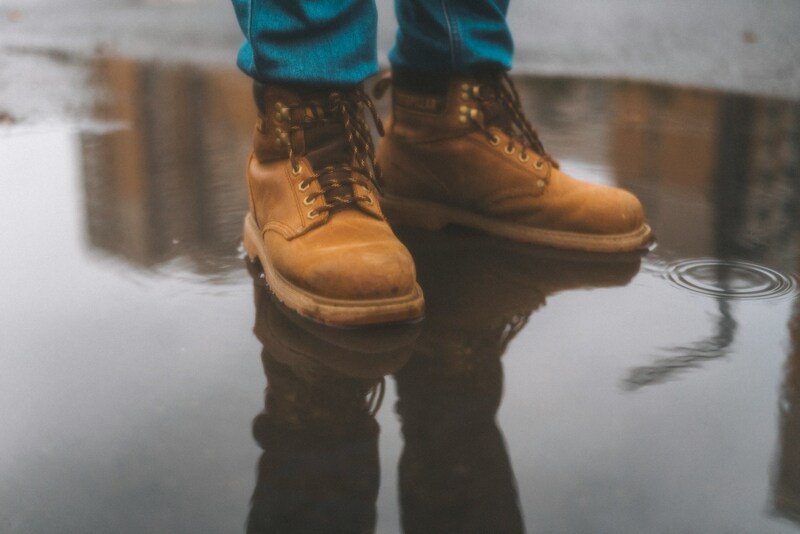
How to Apply Waterproofing to Leather Properly
Warm the boots slightly before application. A few minutes near (not on) a heat source opens the leather pores and helps the product absorb.
Apply wax or oil with a clean cloth using circular motions, working a small amount at a time across the full surface including the tongue, the welt seam, and any visible stitching.
When to Reapply Waterproofing
Reapply when water stops beading on the surface and soaks in instead.
- For regularly worn leather boots in wet conditions, that is typically every four to six weeks.
- For occasional wear, once per season before wet weather arrives is usually enough.
>>> You might be interested in: How to Clean Leather Couch: Real, Faux, and Natural Methods
How to Waterproof Suede Boots
Suede requires a lighter touch than leather, especially if you’re figuring out how to waterproof boots. The raised nap is delicate and can be easily matted or stained, and damaged areas cannot be fully restored.
Two sprays stand out consistently for suede: Nikwax Suede and Nubuck Waterproofing Spray and Scotchgard Suede and Nubuck Protector. Both penetrate the fibers without matting the nap.
Apply in short, even passes from about 15 cm away and let dry completely before wearing. These are the best sprays for suede boots precisely because they treat the fiber rather than coating the surface.
How to Waterproof Gore-Tex Hiking Boots
Understanding how to waterproof boots and how Gore-Tex works explains why the outer shell treatment matters. The DWR coating on the outer fabric causes water to bead and roll off before it saturates the material.
When the outer fabric wets out, it reduces breathability even though the Gore-Tex membrane inside is still intact. Restoring the DWR coating restores both.
The most reliable way to maintain waterproof protection on hiking boots is to wash them with a technical cleaner like Nikwax Tech Wash, then apply Nikwax TX.Direct Spray-On while the boots are still damp.
Alternatively, tumble dry the boots on low heat after cleaning. Heat reactivates residual DWR in the fabric and restores some repellency without needing a spray-on product at all.
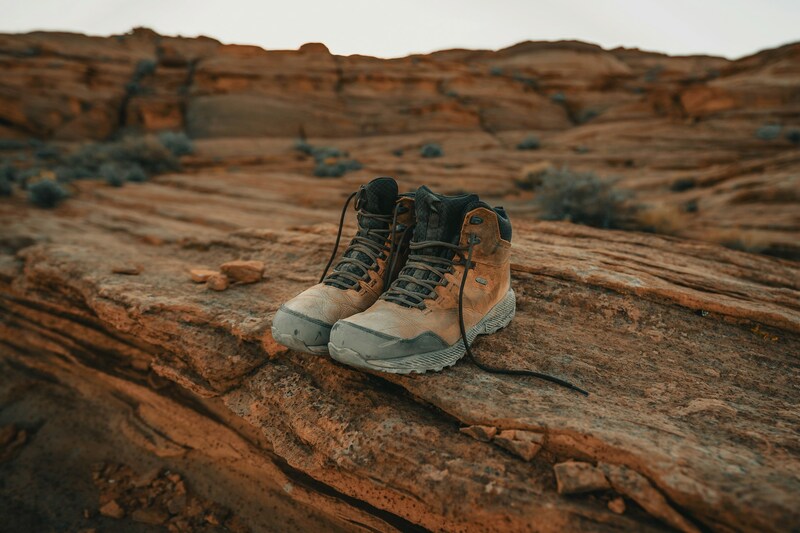
How to Waterproof Cowboy Boots
Cowboy boots are usually full-grain leather, sometimes with exotic skins. Knowing how to waterproof boots helps you choose the right method for each material.
Mink oil and Obenauf’s are the best waterproofing methods for cowboy boots made from standard leather. Apply with a cloth, work into the leather including the shaft and heel seams, and buff clean after 20 minutes.
For exotic materials like ostrich or lizard, check with the manufacturer before applying anything or use a product specifically labeled safe for that material.
>>> Read more: What to Wear to an Interview: A Complete Guide
FAQs
How Long Does Waterproofing Last on Boots?
Wax treatments on leather last four to eight weeks with regular wear in wet conditions. Spray treatments on suede last two to four weeks before fading noticeably. Gore-Tex DWR coatings can last a season with proper care.
How quickly waterproofing wears off depends on wear frequency, exposure to rain, and how well the boots were cleaned before treatment.
Can You Waterproof Boots That Were Never Treated Before?
Yes, and it is often more effective on untreated boots because the material absorbs the product fully without competing with previous treatments. Clean the boots thoroughly first. For older untreated leather, apply a conditioner before the waterproofing product to restore flexibility before adding a protective layer.
Does Waterproofing Change the Color or Look of Boots?
Wax and oil-based products darken leather and suede noticeably, particularly on lighter colors. Spray-on products cause minimal darkening.
Test any product on a hidden area, such as the inside of the tongue, before applying to the full boot. The darkening from wax is usually permanent, while spray products often lighten slightly as they dry.
Is It Better to Waterproof Boots Before or After First Wear?
Before. New boots have clean, open pores and the treatment absorbs most effectively before any dirt or use closes them. Waterproofing before first wear also protects the boot from water damage during the break-in period when the material is most vulnerable to saturation and staining.
Can I Use WD-40 to Waterproof My Boots?
WD-40 provides temporary water resistance but is not a boot waterproofing product. It can soften and degrade leather over time, attract dirt, and leaves a residue that interferes with proper waterproofing products applied later.
You can use a purpose-made wax, spray, or oil for any boot material. The results last longer and do not risk damage the material.
Final Verdict
Waterproofing boots correctly starts with the material and ends with the right product for that material. Wax for smooth leather. Spray for suede and nubuck. DWR restoration for Gore-Tex. Conditioning oil for cowboy boot leather.
The preparation steps matter as much as the product choice. Clean boots, dry boots, and warm leather absorb treatment better and hold it longer. Knowing how to waterproof boots properly is a one-time lesson that pays off every time wet weather arrives.