
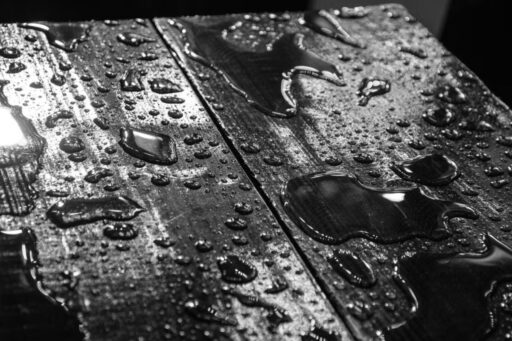
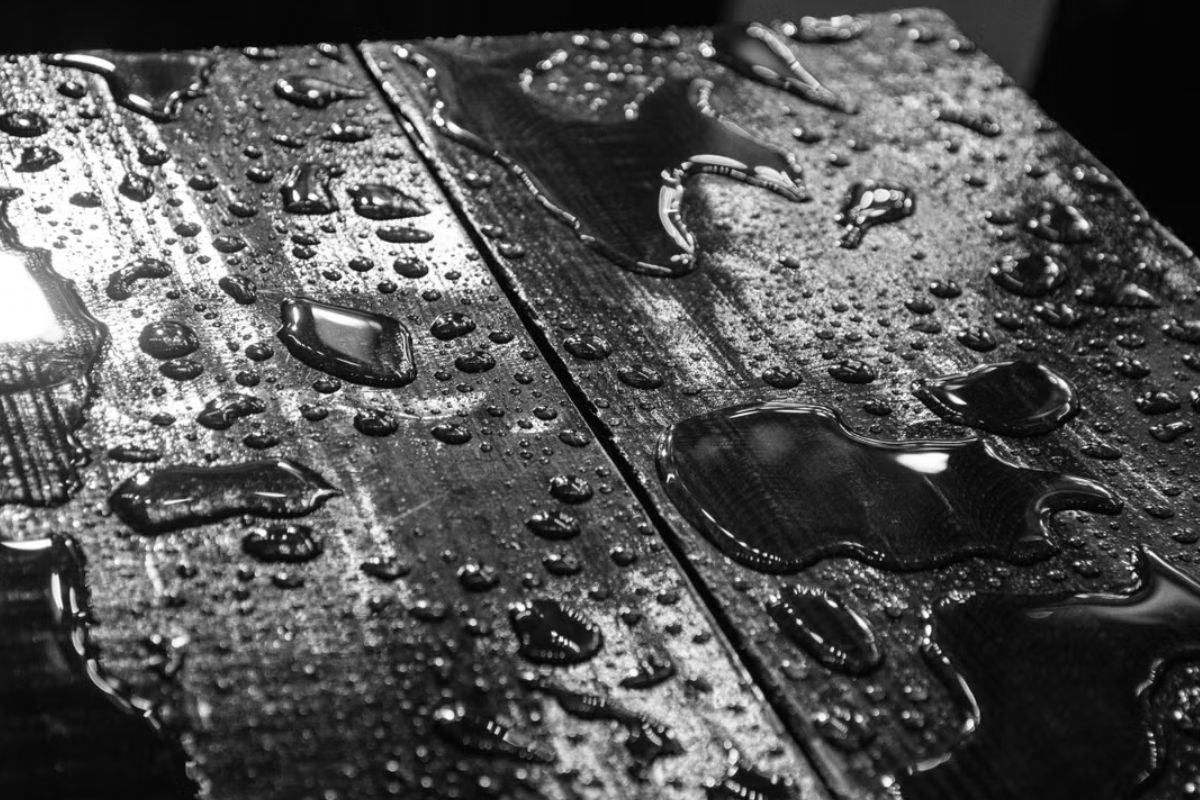

Wood furniture can develop unsightly marks after repeated contact with wet glasses, plant pots, spills, or excess moisture. While some stains remain only on the surface, others can penetrate deeper into the wood and become more difficult to remove.
Understanding how to remove water stains from wood correctly can help restore the appearance of tables, cabinets, and other wooden surfaces without causing unnecessary damage.
Whether you’re dealing with fresh white rings or older discoloration, the methods below offer solutions for different stain types and severity levels.
What Causes Water Stains on Wood?
Water stains often appear when moisture remains on a wooden surface long enough to affect either the protective finish or the wood beneath it.
However, the appearance of the water stains on wood furniture can provide clues about how deeply the moisture has penetrated.
White Water Stains
White or cloudy marks usually develop when moisture becomes trapped within the finish layer rather than the wood itself.
These stains are commonly caused by placing hot mugs, cold drinks, or damp items directly on a finished surface.
If you are wondering how to remove white water stains from wood, don’t worry, as they are generally easier to remove.
Dark Water Stains
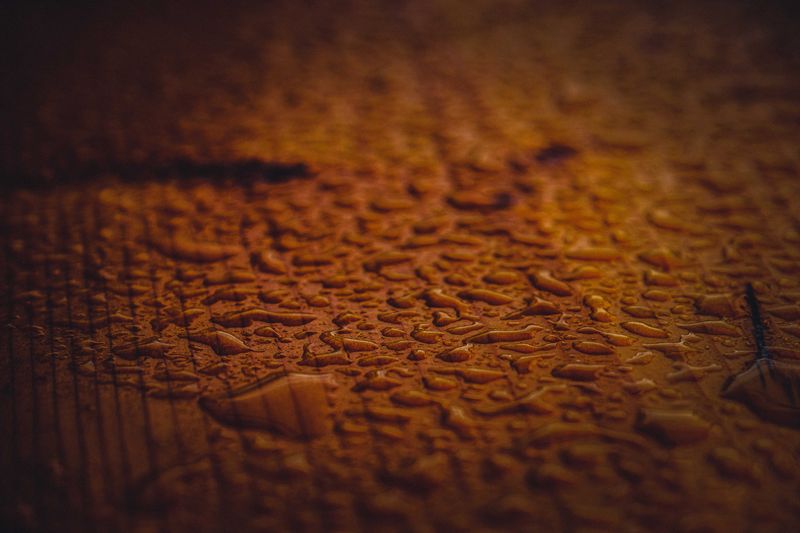
Dark gray, brown, or black discoloration typically indicates that moisture has reached the wood fibers beneath the finish.
This can occur when water remains on the surface for an extended period or when the protective coating has already worn away.
These stains are usually more challenging to remove and may require specialized treatments such as oxalic acid, wood bleach, or refinishing techniques.
>>> Read more: How to Clean Tea Kettle Inside & Out: 3 Effective Methods
How to Remove Water Stains from Wood (9 Simple Methods)
The following methods are arranged from the simplest solutions for fresh surface marks to more advanced techniques for deeper or older stains.
Starting with a gentle approach can help reduce the risk of unnecessarily damaging the wood finish.
| Method | Best for | Difficulty |
| Hair Dryer | Fresh white stains | Easy |
| Iron Over a Cloth | Stubborn white rings | Easy |
| Mayonnaise | Light surface stains | Easy |
| Petroleum Jelly | Mild white marks | Easy |
| Toothpaste | Small surface discoloration | Easy |
| Baking Soda Paste | Stubborn surface marks | Moderate |
| Vinegar and Olive Oil | Cleaning and polishing | Moderate |
| Oxalic Acid Wood Bleach | Dark water stains | Advanced |
| Sand and Refinish | Deep permanent stains | Advanced |
Method 1: Use a Hair Dryer (Best for fresh white water stains)
A hair dryer can sometimes help remove recently formed white marks by encouraging trapped moisture within the finish to evaporate.
- Set the dryer to a low or medium heat setting and hold it several inches away from the affected area.
- Move it continuously rather than focusing the heat on a single spot.
- As the surface warms gradually, the cloudy appearance may begin to fade.
- Once finished, wipe the area with a soft cloth and consider applying furniture polish or wood conditioner to restore shine.
Method 2: Apply an Iron Over a Cloth (Best for stubborn white rings)
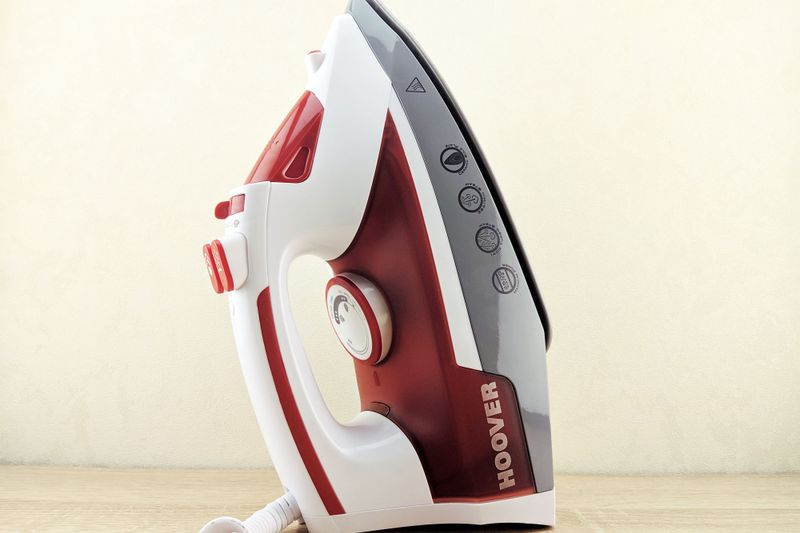
When white rings remain after using a hair dryer, gentle heat from an iron may help release additional trapped moisture.
- Place a clean cotton cloth over the stain and set the iron to a low setting without steam.
- Briefly move the iron across the cloth for a few seconds at a time, checking progress frequently.
Because excessive heat can damage certain finishes, it is important to work slowly and avoid leaving the iron in one position for too long.
Method 3: Use Mayonnaise (Home remedy)
Mayonnaise is a popular household remedy to remove white rings from wood table because its oils may help interact with moisture trapped beneath the finish.
- Apply a small amount directly to the stain
- Then spread it gently across the affected area
- Leave it in place for several hours or overnight
- Finally, wipe it away with a clean cloth
Method 4: Apply Petroleum Jelly (Overnight treatment)
Petroleum jelly works similarly to mayonnaise by providing a barrier that may help draw moisture from the finish over time.
- Simply spread a thin layer over the stain
- Leave it overnight
- The following day, wipe away the residue and inspect the area
Method 5: Try Toothpaste (Mild abrasive)
Wonder how to remove water stains from wood? Non-gel white toothpaste can sometimes help reduce light surface stains because it contains gentle polishing agents.
- Apply a small amount to a soft cloth
- Then rub the stain carefully with light pressure. Avoid aggressive scrubbing, which may damage the finish.
- Afterward, wipe the area clean and evaluate whether additional treatment is needed.
Method 6: Use Baking Soda Paste (For stubborn surface marks)
When ordinary wood stain removal methods are not enough, a baking soda paste may provide a slightly stronger cleaning action.
- Mix a small amount of baking soda with water to create a paste.
- Apply it carefully to the stained area and rub gently with a soft cloth.
- Once finished, remove any remaining residue and thoroughly dry the surface.
This method is generally most appropriate for surface-level discoloration rather than deep water damage.
Method 7: Apply Vinegar and Olive Oil (Cleaning + polishing)
How to remove water stains from wood table top? A mixture of vinegar and olive oil may help clean the surface and improve the appearance of dull wood finishes.
The vinegar helps remove residue, while the oil contributes moisture and shine to the surface. Apply the mixture with a soft cloth, then buff gently along the grain of the wood.
Method 8: Use Oxalic Acid Wood Bleach (Best for dark water stains)
Dark stains often indicate that moisture has reached deeper layers of the wood. In these situations, ordinary household remedies may no longer be effective.
Oxalic acid wood bleach is commonly used to lighten dark discoloration caused by water exposure. Follow the product instructions carefully and wear appropriate protective equipment during application.
Method 9: Sand and Refinish the Wood Surface (Last resort for deep stains)
For severe water damage that cannot be removed through cleaning or bleaching, sanding may be the only remaining solution.
The damaged finish is carefully removed, the stained area is sanded, and a new protective finish is applied afterward.
Although this method requires the most effort, it can sometimes restore wood surfaces affected by deep or long-standing stains.
>>> Read more: How To Clean Burnt Pan Easily: 7 Simple Tricks
Tips to Protect Wood from Water Stains
Preventing water stains is much easier than removing them. With a few simple habits, you can protect your wood surfaces and keep them looking clean and well-maintained for years.
- Use coasters under drinks, cups, and bottles to prevent moisture rings
- Wipe up spills immediately before they soak into the surface
- Avoid placing wet or damp items directly on wood furniture
- Use placemats or protective pads under plants and decorative items
- Apply furniture wax or protective finishes regularly to strengthen the surface barrier
- Maintain stable indoor humidity levels to reduce wood expansion and moisture absorption
- Check older finishes for signs of wear and reapply protection when needed
- Use tablecloths or runners during meals, gatherings, or frequent use periods
- Clean and condition wooden furniture regularly to preserve its natural protective layer
These small habits go a long way in preventing stains, extending the life of your wood, and keeping its natural finish looking its best.
FAQs
How to remove white water stains from wood veneer?
For light stains on veneer, gentle methods such as a hair dryer, petroleum jelly, or mayonnaise are usually safer options than sanding.
Does water permanently stain wood?
Not necessarily. White stains are often easier to remove, while dark stains may require stronger restoration methods if moisture has reached the wood itself.
How to remove old water stains from wood without sanding?
Depending on the severity, treatments such as oxalic acid wood bleach, petroleum jelly, or vinegar-based solutions may help reduce older stains without refinishing the surface.
Bottom Lines
Knowing how to remove water stains from wood can help you quickly fix common household damage without expensive repairs. Whether you use baking soda, vinegar, or heat-based methods, each technique offers a simple way to restore your furniture’s appearance.
With the right care and maintenance, you can protect your wood surfaces and prevent future stains from setting in.