

How to stop shoes from blistering often becomes important after a familiar situation: new shoes feel fine at first, then halfway through the day the rubbing starts.
By evening, walking hurts more than expected, and the shoes that looked comfortable become difficult to wear again. This guide explains practical ways to prevent rubbing, protect high-risk areas, and make uncomfortable shoes easier to wear.
Why Shoes Cause Blisters
Blisters usually form when repeated friction separates upper layers of skin while moisture becomes trapped underneath.
Common causes include:
- Shoes that fit too tightly or too loosely
- Stiff materials that have not softened yet
- Excess sweating
- Long periods of walking
- Thin socks or poor cushioning
The more friction repeats, the greater blister risk becomes.
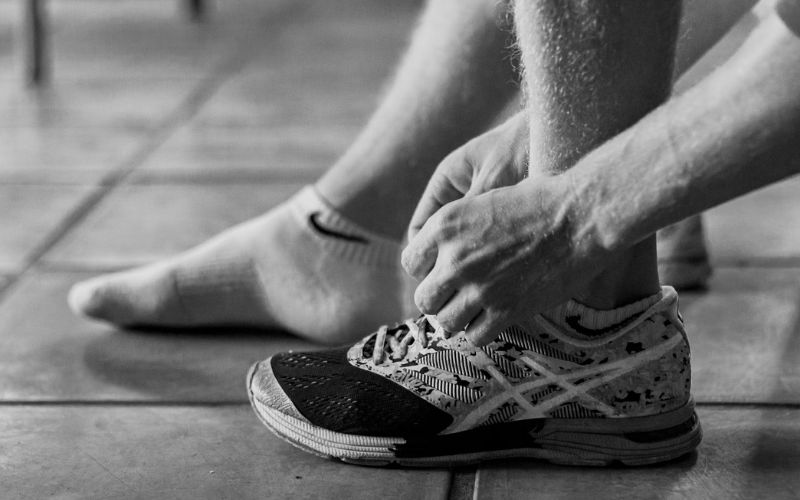
How to Stop Shoes From Blistering Before Wearing Them
Small preventive steps may reduce friction early, which is easier than treating painful blisters afterward.
Break in new shoes properly
New shoes often feel comfortable for short periods but become irritating after several hours because materials have not adjusted to movement yet. Wear them indoors for 30–60 minutes at a time before using them all day.
Choose the right size and fit
Even small fit differences may increase rubbing, which partly explains why how to stop shoes from blistering often starts with choosing the right size before wearing new shoes.
Notice:
- Heel slipping
- Toe crowding
- Tight pressure points
Improper fit often creates friction long before discomfort becomes obvious.
Use protective products (blister pads, moleskin, bandages)
Protective barriers reduce direct contact between skin and shoes and prevent friction before discomfort appears.
Useful options include:
- Blister pads
- Moleskin
- Cushioned bandages
These products often help during break-in periods.
Apply anti-friction balm or petroleum jelly
Reducing surface friction may lower blister formation, particularly during activities involving extended walking or standing. Petroleum jelly or anti-chafing balms create a smoother barrier that helps skin move with less resistance against shoe material.
Wear thick or moisture-wicking socks
Socks affect blister risk more than many people expect because they influence both friction and moisture levels. Moisture-wicking fabrics help keep feet drier, while slightly thicker socks may provide additional cushioning.
Stretch shoes for better comfort
Tight shoes sometimes improve after gradual stretching. That partly explains why how to stop dress shoes from blistering heel problems often includes softening rigid materials before extended wear.
>>> Read more: How to Wash Wool Sweater: Full Step-by-Step Guide
How to Stop Shoes From Blistering Heels During Daily Wear
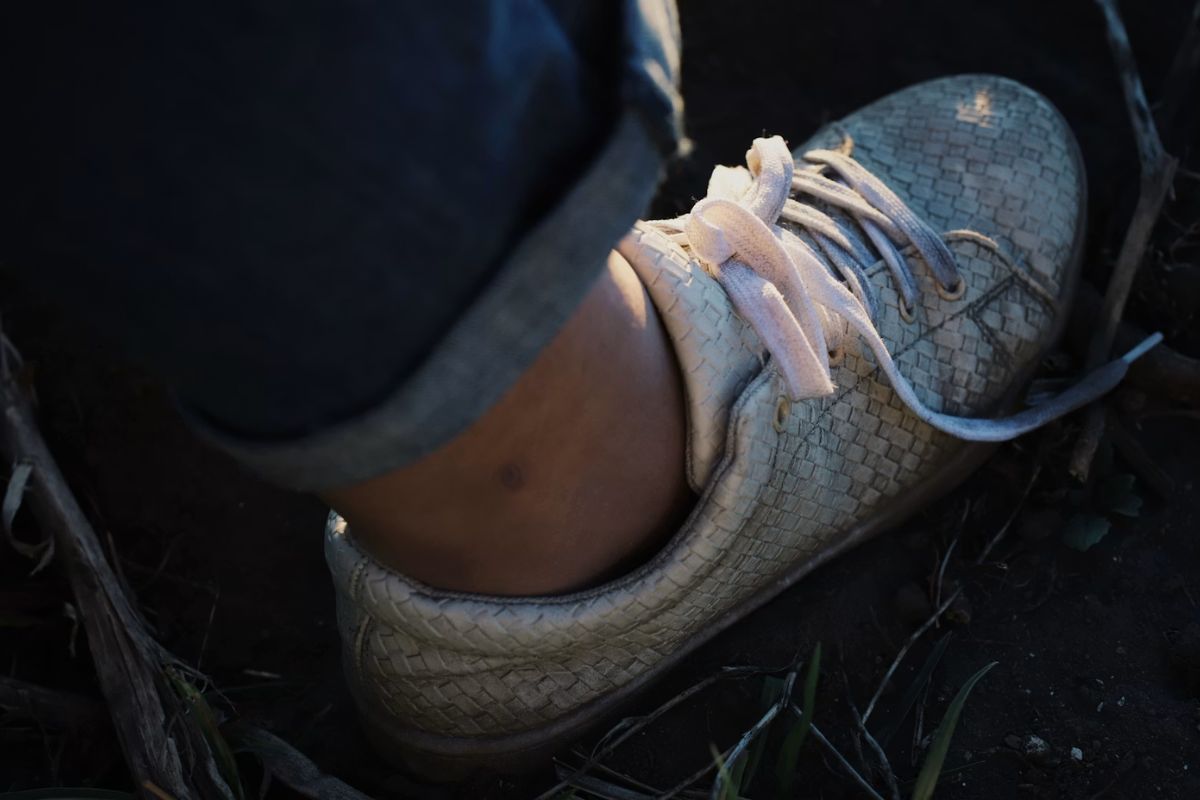
The heel remains one of the most common blister locations because it moves repeatedly while walking.
Reduce friction while walking
Repeated heel movement inside the shoe often causes blistering faster than pressure alone. Heel grips, cushioned inserts, or anti-friction balms may help reduce rubbing during daily wear.
Keep feet dry
Sweat increases friction between skin, socks, and shoes. Moisture-wicking socks or changing damp socks during long days may help reduce irritation. Dry skin surfaces often tolerate repeated movement better.
Protect high-risk areas
How to stop shoes from blistering that tend to appear in the same spots, apply blister pads, moleskin, or protective bandages before discomfort starts. Preventing friction early usually works better than treating painful areas afterward.
Common Blister Areas and How to Fix Them
Understanding how to stop shoes from blistering often starts with identifying where friction happens most because different blister areas may need different solutions..
- Heel blisters
Heel blisters often happen because the back of the shoe moves repeatedly against skin while walking. Improving shoe fit, using heel grips, or adding blister pads may reduce friction and prevent recurring irritation.
- Toe blisters
Toe blisters commonly result from crowding, pressure, or repeated impact inside the shoe. Choosing footwear with a wider toe box and wearing moisture-wicking socks may help reduce rubbing during longer periods of walking.
- Side foot blisters
Blisters along the sides of the feet often appear when shoes press unevenly or feel too narrow. Stretching tight areas or using protective padding may help relieve repeated friction.
What to Do If Blisters Have Already Formed
Learning how to stop shoes from blistering helps reduce future irritation, but knowing how to care for blisters afterward also matters when prevention comes too late.
- Do not pop unless necessary
Leaving blisters intact often protects the underlying skin and lowers infection risk. Popping should generally be avoided unless the blister is extremely painful or likely to burst on its own.
- Cover with sterile bandage or blister plaster
Protecting the area with a sterile bandage or blister plaster helps reduce additional friction. Covering also supports healing while lowering irritation during walking.
- Keep area clean and dry
Moisture and dirt may slow healing or increase infection risk. Gently cleaning the area and keeping it dry often helps recovery happen more comfortably.
- Reduce pressure on affected foot
Continuing to wear the same shoes may worsen irritation. Switching footwear temporarily or adding cushioning around the affected area may reduce pressure while healing.
- Seek medical help if infected or painful
Persistent discomfort sometimes signals more than simple friction, which partly explains why how to stop shoes from blistering also means knowing when medical care may be needed.
>>> Read more: How to Wash a Hat Properly and Avoid Permanent Damage
FAQs
Why do only certain shoes cause heel blisters?
Some shoes create more friction because of differences in heel shape, stiffness, material, or fit. Even small amounts of heel slipping may cause repeated rubbing over time.
Can thicker socks always prevent blisters?
No. Thicker socks sometimes add cushioning and reduce friction, but they may also make shoes fit tighter and increase pressure points. How to stop shoes from blistering often balance cushioning with moisture control rather than simply adding thickness.
How do you break in shoes faster safely?
Wear new shoes indoors for short periods first and gradually increase usage over several days. Using thicker socks temporarily or gently stretching tight areas may help soften materials without forcing long wear too quickly.
Are heel grips effective long term?
Sometimes. Heel grips may reduce slipping and improve fit, especially in slightly loose shoes, which partly explains why how to stop shoes from blistering often includes reducing heel movement early.
Should you cover a blister or let it breathe?
Usually cover it. Protective bandages or blister plasters help reduce friction, lower irritation, and support healing. Covering is often more helpful than leaving the area exposed during daily activity.
Does putting Vaseline on feet prevent blisters?
Maybe. Petroleum jelly may reduce friction between skin and shoes, particularly during long walks or when breaking in new footwear. However, effectiveness varies depending on moisture levels and shoe fit.
Final Words
Learning how to stop shoes from blistering often seems like solving a skin problem, but repeated blisters usually begin with friction patterns, fit issues, and moisture interacting over time.
Because prevention often depends less on one product and more on several smaller adjustments working together: better fit, reduced friction, and earlier protection. The goal is not simply avoiding pain after wearing shoes.