




For many people, the first experience with jazz brings confusion more often than interest. A song changes direction unexpectedly. Instruments seem to answer each other instead of following obvious melodies.
Ten minutes later, someone wonders whether jazz simply takes years to understand. This guide explores the best Jazz albums for beginners, from classic recordings and vocal jazz to smoother albums and fusion records that gradually expand listening habits.
Why Some Jazz Albums Are Easier for Beginners to Enjoy
Not all jazz albums demand the same attention. Beginner-friendly records often include:
- Strong melodies
- Recognizable song structures
- Memorable rhythms
- Shorter improvisations
- Emotional vocals or accessible instrumentation
Albums with these qualities sometimes feel easier because they create familiarity before complexity. That partly explains why the best Jazz artists and albums for beginners often balance sophistication with accessibility.
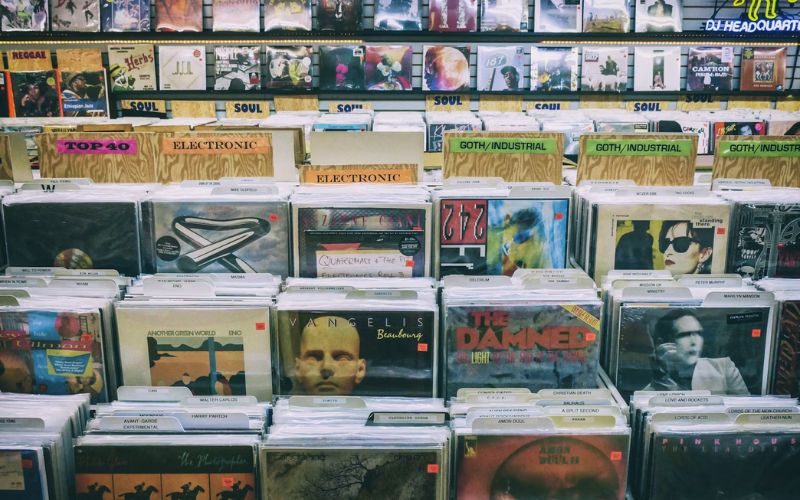
22 Best Jazz Albums for Beginners: Essential Starting Points
The Jazz albums for beginners usually work because they provide an entry point rather than requiring deep Jazz knowledge immediately.
Beginner-Friendly Classic Jazz Albums
- Kind of Blue – Miles Davis
One of the most recommended starting points. Relaxed pacing and memorable melodies make this album approachable without feeling simplistic.
- Time Out – The Dave Brubeck Quartet
Known for unusual time signatures while remaining surprisingly accessible. Take Five often becomes a first favorite for new listeners.
- Blue Train – John Coltrane
More energetic than some beginner albums but still melodic enough to introduce Coltrane gradually.
- Mingus Ah Um – Charles Mingus
Balances emotion, experimentation, and strong composition, which partly explains why best Jazz albums for beginners often include records that feel expressive without becoming overwhelming.
- Somethin’ Else – Cannonball Adderley
Warm, lyrical playing makes this album easier to revisit repeatedly.
- Moanin’ – Art Blakey
Strong rhythms and energetic performances create one of the more engaging introductions to hard bop.
Best Vocal Jazz Albums for Beginners
Vocal albums often feel easier because lyrics create familiarity and provide emotional anchors beyond instrumentation.
- Come Away With Me – Norah Jones
Blends jazz influences with pop and folk elements, creating a softer entry point. People who are new to traditional jazz often relate to the album more easily because the melodies feel familiar from the start.
- The Look of Love – Diana Krall
Best jazz albums for beginners is The Look of Love – Diana Krall. Smooth arrangements and slower pacing suit casual listening. The polished production makes this album feel accessible even for people who rarely explore jazz.
- Sarah Vaughan with Clifford Brown – Sarah Vaughan
Introduces classic vocal Jazz with emotional depth and accessible melodies. The balance between vocals and trumpet creates a useful bridge into older jazz recordings.
- Lady in Satin – Billie Holiday
Less polished emotionally, yet deeply expressive. The album often resonates more through vulnerability than technical perfection.
- Dream with Dean – Dean Martin
Minimal instrumentation creates an intimate listening experience. Its understated atmosphere may appeal to beginners who prefer quieter, slower records.
>>> Read more: Can Anyone Learn to Sing? What Science and Vocal Coaches Say
Smooth and Relaxing Jazz Albums for Casual Listening
Some people connect with jazz more naturally by focusing on its atmosphere rather than its complexity.
- Breezin’ – George Benson
Melodic and smooth, often recommended among the best Jazz albums for beginners who prefer lighter listening.
- Winelight – Grover Washington Jr.
Relaxed and polished, making background listening feel enjoyable. The smoother production often appeals to listeners transitioning from contemporary genres.
- Feels So Good – Chuck Mangione
Recognizable melodies often help newer listeners engage faster. Its upbeat energy makes jazz feel more approachable for casual audiences.
- Night Train – Oscar Peterson
Energetic piano performances without becoming overwhelming. The rhythm-driven style demonstrates technical skill while remaining enjoyable for beginners.
- Chet Baker Sings – Chet Baker
Soft vocals and understated arrangements create intimacy, which partly explains why best jazz albums for beginners often include records that make emotional nuance easier to notice.
Best Jazz Fusion Albums for Beginners
Jazz fusion combines jazz with rock, funk, or electronic influences, which sometimes feels more familiar to newer listeners.
- Head Hunters – Herbie Hancock
Groove-driven and influential. Frequently included among the best Jazz fusion albums for beginners because funk elements create immediate accessibility.
- Heavy Weather – Weather Report
Balances experimentation with memorable melodies. Tracks often feel adventurous without becoming difficult to follow.
- Bright Size Life – Pat Metheny
Accessible guitar-centered fusion with a reflective atmosphere that balance complexity with emotional warmth.
- Spectrum – Billy Cobham
Energetic drumming creates intensity while remaining approachable. Listeners interested in rhythm-focused music may connect with this record quickly.
- Black Market – Weather Report
A useful step toward more adventurous jazz without becoming overwhelming. The album gradually introduces richer textures and less predictable structures.

How to Start Exploring Jazz Without Feeling Overwhelmed
Finding the best jazz albums for beginners matters, but listening order often matters just as much.
Start with vocal and melodic albums
Vocal jazz and melody-driven albums often create easier entry points because lyrics or memorable themes provide something familiar to follow.
Albums like:
- Come Away With Me – Norah Jones
- Kind of Blue – Miles Davis
May help listeners focus on mood before trying to understand improvisation. This partly explains why many of the best Jazz artists and albums for beginners emphasize accessibility rather than technical complexity.
Move into instrumental jazz and bebop
Once jazz starts feeling more familiar, instrumental albums become easier to appreciate. At this stage, listeners may notice:
- Rhythm changes
- Improvisation
- Interaction between instruments
Albums such as Blue Train or Moanin’ often introduce stronger energy without becoming overwhelming, which partly explains why best Jazz albums for beginners usually balance intensity with accessibility.
Explore fusion and experimental jazz later
Jazz fusion and experimental records often combine:
- Rock influences
- Funky rhythms
- Electronic textures
- More unpredictable structures
Albums among the best jazz fusion albums for beginners, such as Head Hunters, may work better after building familiarity with traditional jazz styles.
>>> Read more: How Long Does It Take to Learn Guitar: #1 Realistic Timeline
Common Mistakes Beginners Make When Getting Into Jazz
Exploring the best Jazz albums for beginners becomes easier when common expectations and listening habits do not create unnecessary frustration.
- Starting with very experimental records too early
Some beginners assume starting with the most acclaimed or technically complex jazz albums will create faster appreciation.
- Expecting jazz to sound like pop music
Pop music tends to emphasize predictable structures and immediate hooks, while jazz may prioritize improvisation, interaction between musicians, and gradual development.
- Listening passively instead of focusing on instruments
Trying to absorb an entire jazz performance at once may make everything sound chaotic. A simpler approach is following one instrument at a time, such as drums, piano, or bass.
FAQs
What is the best first jazz album for beginners?
Kind of Blue by Miles Davis remains one of the most common answers because it balances accessibility and deeper musical ideas, which partly explains why best jazz albums for beginners often start with albums that feel engaging without overwhelming new listeners.
Why do some people struggle to get into jazz?
Jazz sometimes feels unfamiliar because it uses improvisation, unusual rhythms, and structures that differ from mainstream music. The challenge often comes from expectations rather than difficulty alone.
How long does it take to appreciate jazz more deeply?
There is no fixed timeline. Some listeners connect immediately, while others begin noticing patterns after weeks or months of repeated listening. Appreciation often develops gradually as unfamiliar sounds become recognizable.
Bottom Lines
Exploring the best jazz albums for beginners rarely depends on understanding every instrument or theory concept immediately. More often, appreciation develops through familiarity.
An album that feels confusing today may sound expressive after several listens. The most useful starting point is not necessarily the most famous album, but the one that makes you want to press play again.