
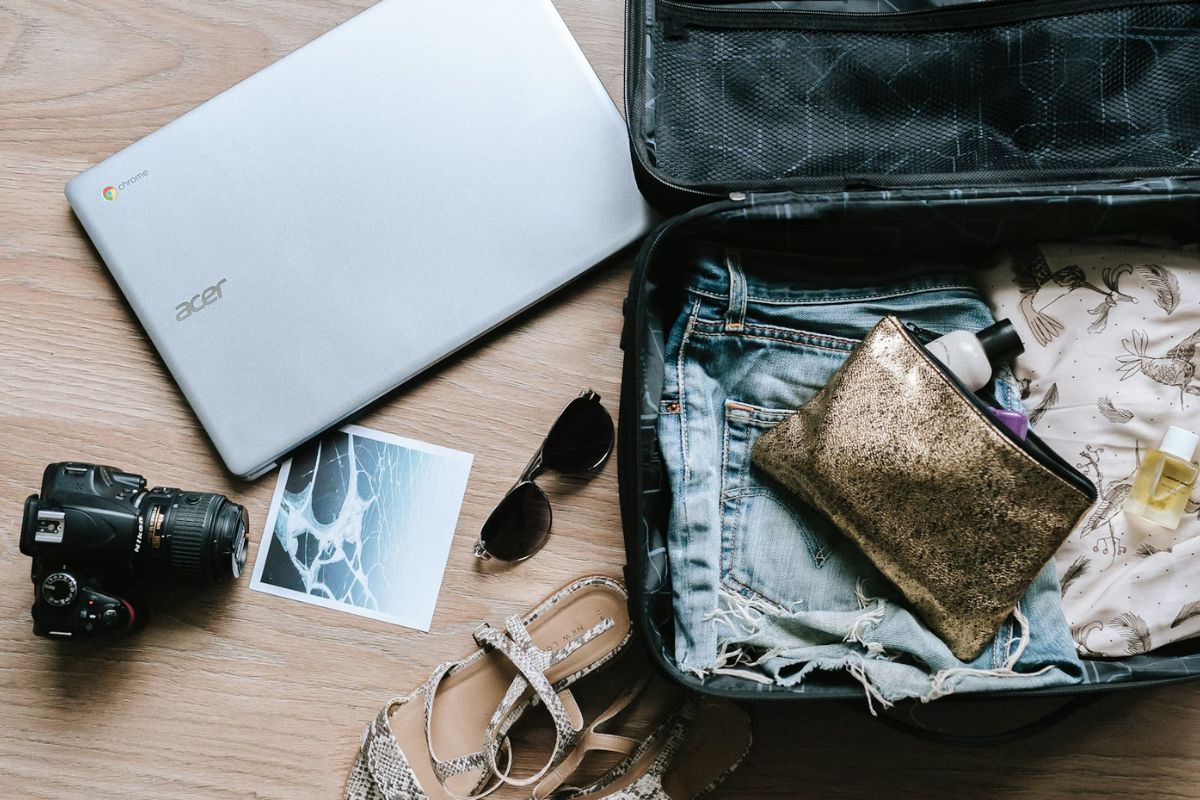

How to pack a suitcase often becomes harder the moment just in case thinking begins. One outfit turns into two, one pair of shoes becomes three, and suddenly closing the zipper feels more difficult than planning the trip itself.
This guide is to pack a suitcase efficiently, reduce clutter, save space, and create a packing system that stays useful from departure to unpacking at home.
Before You Pack: Plan Around the Trip, Not the Suitcase
Many packing mistakes happen before luggage opens. Start by asking:
- How many days will the trip last?
- Will laundry be available?
- What activities require specific clothing?
- How much walking or weather variation is expected?
Packing for the itinerary often works better than packing for possibilities. For example: A three-day city trip rarely needs seven outfit options. Planning first often reduces overpacking automatically.
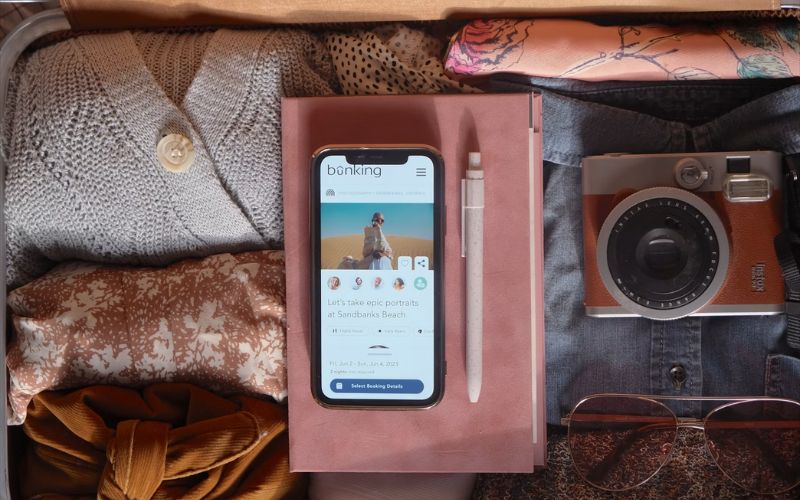
How to Pack a Suitcase Step by Step
Packing a suitcase becomes easier when decisions happen before items enter luggage.
Step 1: Lay everything out before packing
Place all intended items in one visible area before packing. This helps identify:
- Duplicates
- Unnecessary extras
- Missing essentials
Seeing everything together often reduces impulsive additions.
Step 2: Separate categories by priority
Divide items into groups:
Must-have:
- Documents
- Medication
- Chargers
- Essential clothing
Optional:
- Extra shoes
- Additional outfits
- Accessories
Priority-based packing reduces last-minute overcrowding, which partly explains why how to pack a suitcase often starts with deciding what matters most before packing anything.
Step 3: Pack heavier items strategically
Place heavier items like shoes or toiletries near the bottom or close to suitcase wheels. Better weight distribution makes luggage easier to move and helps protect softer items.
Step 4: Use smaller spaces efficiently
Fill unused areas inside:
- Shoes
- Corners
- Gaps between items
Small spaces frequently hold chargers, socks, or accessories. Many packaging suitcase hacks focus on using overlooked spaces rather than adding compression alone.
Step 5: Leave room for purchases or changes
Fully packed suitcases leave little flexibility. Keeping some extra space helps accommodate:
- Souvenirs
- Weather changes
- Unexpected needs
Adaptability often matters as much as efficiency.
>>> Read more: How to Start Journaling and Build a Powerful Habit 2026
How to Pack Clothes in a Suitcase Without Wasting Space
Learning how to pack a suitcase often determines whether luggage feels organized or chaotic.
- Rolling vs Folding Clothes
Rolling clothes often saves space and works well for casual items like T-shirts or activewear. Folding may be better for structured pieces or fabrics that wrinkle easily. The best choice usually depends on clothing type rather than one method fitting everything.
- Packing Cubes and Compression Bags
Packing cubes help organize items by category, making clothes easier to find later. Compression bags reduce bulk and may create extra space, especially for longer trips or bulky clothing.
- Packing Hacks to Reduce Wrinkles and Clutter
Place heavier items at the bottom, keep similar clothing together, and use empty spaces inside shoes for smaller items. Small packing habits often reduce wrinkles and make unpacking easier afterward.
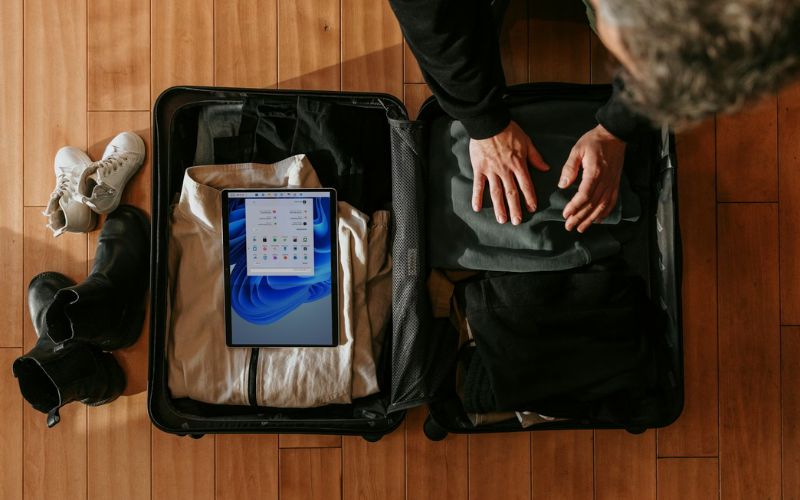
How to Pack a Suitcase Efficiently for Short and Long Trips
Weekend travel and longer journeys create different packing priorities, which means strategies that work for one trip may feel inefficient for another.
- Packing differently for weekend travel
Weekend trips often require fewer backup options than expected. Choose versatile clothing items that mix and match easily rather than bringing different outfits for every occasion.
- Strategies for longer trips with limited luggage
Longer trips benefit from planning around laundry access, layering, and mix-and-match clothing. Neutral colors and reusable essentials often create more outfit combinations with fewer items.
- Avoiding overpacking without losing flexibility
Packing for every possibility quickly adds weight. Instead, ask whether an item will realistically be used. Leaving some space often creates more flexibility than filling every corner.
How to Make Unpacking Easier After Traveling
Learning how to pack a suitcase does not only affect the trip itself. Packing habits also influence how quickly clothes can be unpacked, organized, and returned to daily routines afterward.
- Organize clothes by category
Group clothing by type before packing, such as tops, bottoms, or accessories. Organized packing often makes unpacking faster because items stay separated.
- Keep dirty laundry separate
Use a dedicated bag for worn clothes during the trip. Separating dirty laundry reduces odor transfer and simplifies sorting afterward.
- Use packing cubes for faster unpacking
Packing cubes help keep categories organized throughout travel. After arriving home, unpacking often becomes easier because groups of items stay together instead of mixing throughout the suitcase.
>>> Read more: How to Wash a Hat Properly and Avoid Permanent Damage
FAQs
What is the 5 4 3 2 1 rule for packing?
The 5-4-3-2-1 rule commonly means: 5 tops, 4 bottoms, 3 pairs of shoes, 2 dresses or specialty items, and 1 accessory set. The numbers vary, but the idea is limiting excess.
Is it better to fold or roll clothes in a suitcase?
Yes, rolling is often better if the goal is saving space and packing casual clothing efficiently. Rolled clothes may fit more compactly and sometimes reduce wrinkles in softer fabrics.
How to pack a suitcase for beginners?
Begin with essentials such as documents, medications, chargers, and basic clothing, then add optional items afterward. Packing by category and choosing versatile outfits often helps avoid overpacking.
What is the 3 3 3 method of packing?
The method usually involves packing:
- 3 tops
- 3 bottoms
- 3 pairs of shoes or interchangeable items
The goal is creating multiple outfits from fewer pieces.
Final Thoughts
Learning how to pack a suitcase often seems like a question about space, but over time it becomes a question about priorities. The difference between overpacking and packing efficiently is rarely one extra shirt or pair of shoes.
The goal is not fitting more into a suitcase, but creating enough organization and flexibility that the journey feels simpler from start to finish.