

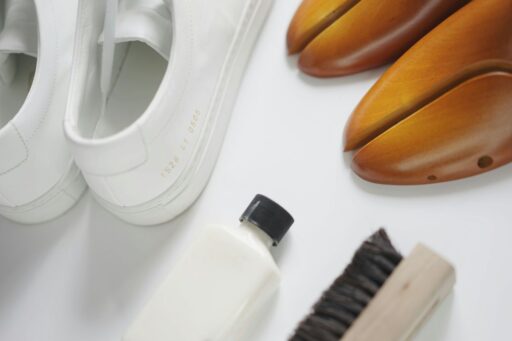
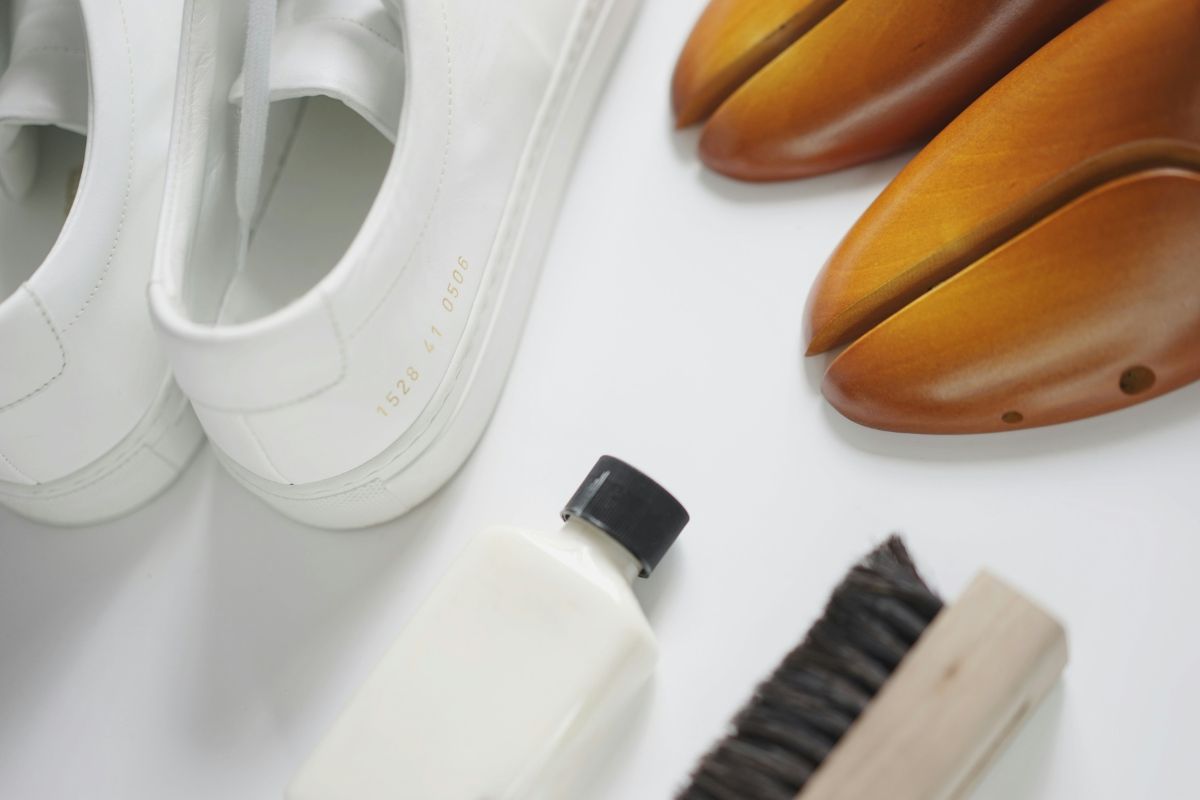

Leather shoes can lose their shine over time as scuffs, dust, and everyday wear build up. The right approach to how to polish shoes can refresh their color, soften the appearance of minor marks, and create a smoother finish. With a few basic tools and proper preparation, the process is simple to do at home.
What You Need to Polish Leather Shoes at Home
Before learning how to polish shoes, prepare a few basic supplies to clean the leather, apply polish evenly, and create a smooth finish.
| Item | Purpose |
| Soft shoe brush | Removes dust and dirt without scratching the leather |
| Leather polish | Restores color and adds shine; choose a matching cream or wax |
| Soft cloth | Applies polish and helps buff the surface |
| Small brush | Reaches seams, edges, and hard-to-clean areas |
| Clean water | Helps remove light dirt or create a deeper shine when needed |
| Newspaper or towel | Protects your work area during polishing |
>>> Read More: How to Clean Microfiber Couch: 6-Step Guide for a Fresh Sofa
Before You Polish: Check What Your Shoes Are Made Of
Before learning how to polish leather shoes, check the shoe material first. Different finishes require different care methods, and using the wrong product can damage the surface or change its appearance.
- Smooth leather: Use a matching cream or wax polish. Clean the shoes first, apply a thin layer, then buff with a soft cloth or brush.
- Patent leather: Skip regular shoe polish. Wipe with a soft, damp cloth and use a product made for patent leather to protect the glossy finish.
- Suede and nubuck: Do not use standard leather polish. Use a suede brush, eraser, or specialized cleaner to remove dirt and maintain the texture.
How to Polish Shoes with Polish Step by Step
Proper polishing works best when each stage is done lightly rather than applying too much product at once. These steps explain how to polish a shoes carefully while building an even finish and avoiding sticky residue or uneven color.
Step 1. Remove Dirt and Prepare Your Shoes
Take out the laces, then brush away dust, mud, and loose debris from the leather surface. Pay extra attention to seams, welt areas, and creases. Starting with clean shoes prevents dirt from becoming trapped underneath the polish.
Step 2. Apply Leather Conditioner (Optional)
If the leather feels dry or stiff, apply a small amount of leather conditioner before polishing. Work it in evenly with a soft cloth, then allow it to absorb. Conditioning can help keep leather flexible and reduce the appearance of dryness.
Step 3. Apply Shoe Polish in Small Circular Motions
Use a soft cloth or applicator brush to pick up a small amount of polish. Spread it over the leather using gentle circular motions, building thin layers rather than one heavy coat. Work carefully around seams and detailed areas.
Step 4. Let the Polish Dry
Leave the shoes undisturbed for several minutes so the polish can settle and dry on the surface. Drying time varies by product, so follow the manufacturer’s instructions when available. Avoid buffing while the polish still feels wet or tacky.
Step 5. Buff the Shoes for Shine
Use a clean horsehair brush or soft cloth to buff the leather with quick, light strokes. This removes excess polish and brings out the shine. Continue until the surface looks even, smooth, and polished without visible residue.
Common Shoe Polishing Problems and How to Fix Them
Even after learning how to polish shoes, mistakes like uneven shine or sticky buildup can happen. Most issues are caused by too much polish, poor preparation, or using the wrong product.
- Too much polish: Thick layers can create a cloudy or sticky finish. Remove excess product and apply thinner coats for a smoother shine.
- Dirty shoes before polishing: Dust and dirt can leave an uneven finish. Always brush away debris and let the leather dry before applying polish.
- Wrong polish color: A poor color match can make shoes look patchy. Test polish on a hidden area first or use neutral polish for a safer option.
- Buffing too soon: Polishing before the product sets can cause streaks. Wait until the polish is dry, then buff with a soft brush or cloth.
- Using unsuitable household products: Oils or petroleum jelly may create temporary shine but can damage leather or attract dirt. Use products designed for leather care instead.
How Often Should You Polish Shoes?
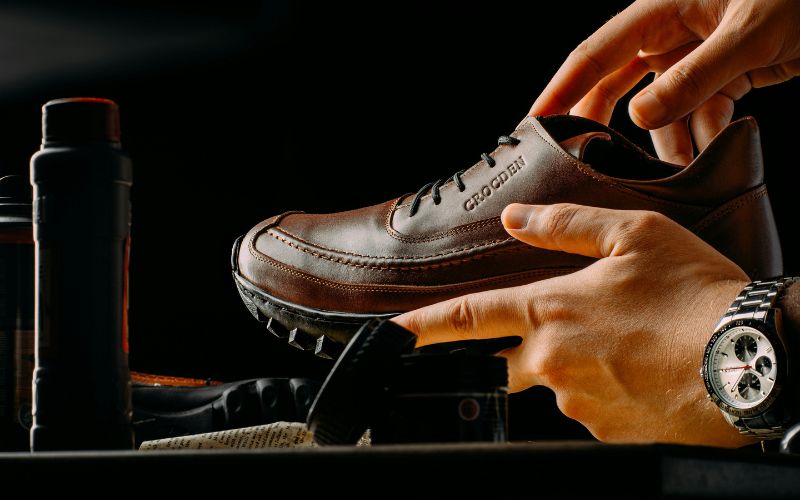
Leather shoes worn regularly usually need polishing every four to six weeks to maintain their color, shine, and protection. However, the ideal schedule depends on how often you wear them and the conditions they face.
Shoes exposed to rain, dirt, or heavy daily use may need more frequent care, while occasional-use pairs can go longer between polishing sessions.
Instead of following a strict how to polish shoes timeline, check the leather’s appearance and condition. Dull color, dryness, or reduced shine are signs that your shoes may need attention.
>>> You might be interested in: How to Remove Gum From Hair: 3 Safe Ways to Get It Out Without Cutting
FAQs
How long should shoe polish sit before buffing?
Most shoe polishes should sit for several minutes before buffing, but exact timing depends on the product. Wait until the surface feels dry rather than tacky, then buff gently with a clean brush or cloth.
Should you condition leather before polishing?
Conditioner can be helpful when leather feels dry, stiff, or neglected. Apply a small amount first, let it absorb, and then polish afterward so the leather stays flexible without becoming oversaturated.
What is the best way to polish shoes?
Start by removing dirt, then apply a thin layer of polish with a soft cloth or applicator brush. Let it dry briefly before buffing with a horsehair brush, adding another light layer only if more shine or color is needed.
What can I use to polish my shoes if I don’t have shoe polish?
A soft cloth can still improve the appearance of clean, smooth leather through gentle buffing. Leather conditioner may also add a mild sheen, but avoid relying on random household oils because they can stain or darken the material.
Is Vaseline good to shine shoes?
Petroleum jelly can create temporary shine on some smooth leather, but it is not an ideal long-term substitute for shoe polish. It may attract dust, soften certain finishes, or darken leather, so dedicated leather products are generally safer.
How to clean leather shoes without polish?
Brush away loose dirt first, then wipe smooth leather with a soft, slightly damp cloth. Let the shoes dry naturally away from direct heat, and finish with gentle buffing or a suitable leather conditioner if the surface looks dry.
7. Final Thoughts
A good polish can restore shine, improve appearance, and help leather shoes stay in better condition over time. For how to polish shoes, the basic process involves cleaning the surface, applying polish in thin layers, allowing it to set, and buffing to the desired shine.
The right technique depends on the shoe material and finish. Explore Zeo Learn for more practical care tips and step-by-step guides.