

How to bake bacon is not just about putting it in the oven and waiting. Temperature, cooking time, and bacon thickness all affect the final texture. This article covers these factors to help you get the result you want.
How to Bake Bacon in the Oven
A simple oven method to bake bacon with only bacon and a rimmed baking sheet. You can add foil or parchment for easier cleanup.
Step 1. Preheat the oven and prepare the baking sheet
Preheat the oven to 400°F so it reaches the target temperature before the bacon goes in. Set up a rimmed baking sheet and line it with aluminum foil or parchment paper if preferred.
Step 2. Arrange the bacon in a single layer
Lay the bacon strips flat across the prepared baking sheet without overlapping them. Keep the strips spread across the pan rather than crowding them into one area, since the amount of bacon on the pan can affect how long to bake bacon.
Step 3. Bake and start checking before the expected finish time
Place the baking sheet in the oven and bake the bacon until it reaches the texture you want. Start checking as it approaches the expected cooking time.
Step 4. Remove the bacon at the right stage and let it finish crisping
Take the baking sheet out when the bacon reaches your preferred texture.
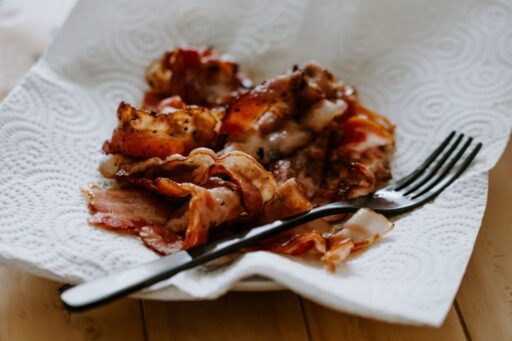
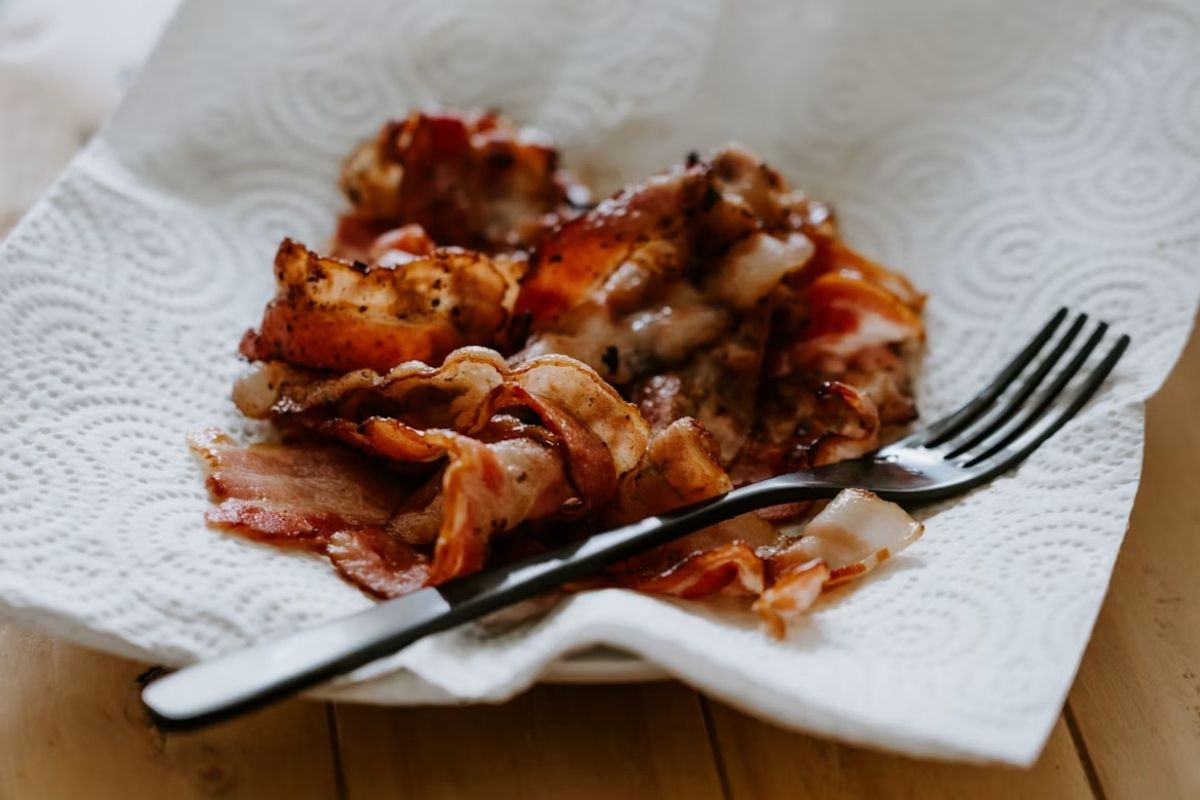
For how to bake bacon in the oven with less surface grease, transfer the strips to a paper towel-lined plate as soon as they come out of the oven. This also keeps the cooked bacon from sitting in the rendered fat left on the pan.
How Long Does It Take to Bake Bacon?
How long to bake bacon at 400°F depends mainly on slice thickness and the level of crispness you want. The ranges below provide a useful starting point.
| Bacon type | Approximate time at 400°F |
| Regular-cut | 10–15 minutes |
| Thick-cut | About 20 minutes |
| Extra-crisp | Add 1–2 minutes at a time |
Check the bacon toward the end of the range, then use its texture to decide whether it needs more time:
- Soft: Lightly browned with a flexible texture.
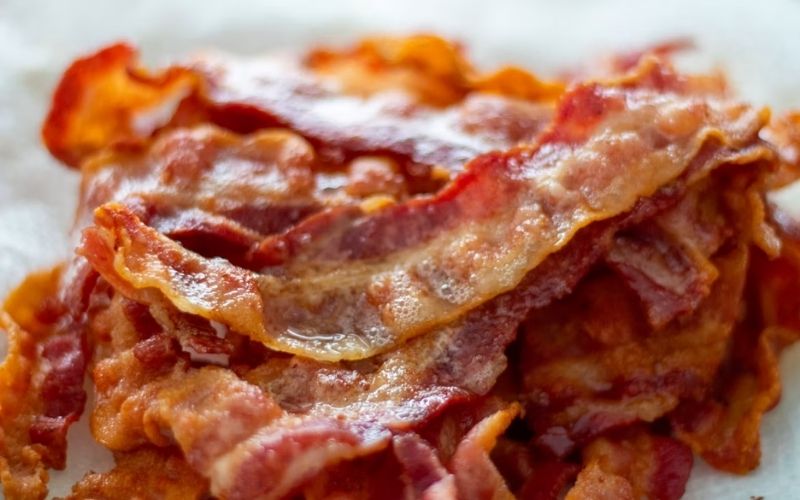
- Crisp: Well browned with a firmer texture and less flexibility.
- Extra crisp: Firm throughout with very little flexibility.
Bacon can remain slightly pink after cooking because curing agents affect its color, so color alone does not determine whether it is done.
>>> Read more: How Long to Grill Burgers: Time, Temperature, and Tips for Juicy Results
What Is the Best Temperature to Bake Bacon?
400°F is the best all-around starting point for most bacon. It gives enough heat for fat to render, the surface to brown, and the slices to develop a crisp texture within a reasonable cooking time.
The main alternatives change the pace of the cook:
- 375°F: Slower cooking with more gradual fat rendering.
- 400°F: A balanced middle ground for browning, crispness, and cooking time.
- 425°F: Faster cooking, with less room for thin slices before they become too crisp.
Recipe testing also shows that there is no single temperature used for every oven-baked bacon method. Some tested methods use 375°F, while a larger group of established recipes uses 400°F, so either setting can work when the cooking time matches the temperature.
Should You Bake Bacon on Parchment, Foil, or a Wire Rack?
The main difference in how to bake bacon with each setup is how it handles the bacon fat and cleanup.
Your choice can depend on whether you want the simplest cleanup or prefer to keep the bacon above the fat.
| Setup | What it does | Best suited to |
| Parchment paper | Lets the bacon cook directly in its rendered fat and makes cleanup easier. | A simple setup with no extra equipment |
| Aluminum foil | Lines the pan and helps contain the grease for easier cleanup. | A quick cleanup after baking |
| Wire rack | Holds the bacon above the rendered fat and can give the slices a slightly crispier finish. | A crisper result when you do not mind washing an extra piece of equipment |
For most batches, parchment or foil keeps the setup simple. A wire rack changes how the bacon sits in the pan, so it is useful when texture matters more than having fewer dishes to wash.
Tips for Crispy Oven-Baked Bacon
A few small details can make a noticeable difference when learning how to bake bacon, especially if you want evenly crisp strips instead of chewy or overcooked edges.
- Arrange the bacon in a single layer: Avoid overlapping the strips, since covered areas cook more slowly and may stay soft.
- Place the pan in the center of the oven: This helps the bacon receive more even heat from both the top and bottom.
- Use a wire rack for extra crispness: Elevating the bacon allows more rendered fat to drip away, though baking directly on foil or parchment also works well.
- Watch thinner edges first: Narrow sections often crisp before thicker parts, so check the pan closely near the end of cooking.
- Remove the bacon just before it looks fully done: It can continue to firm up slightly as it cools.
- Let it rest briefly: Transfer the bacon to paper towels or a rack so excess surface fat can drain before serving.
>>> Read more: How Long to Bake Salmon at 400°F? Perfect Time Every Time
FAQs
How long to bake bacon at 350°F?
At 350°F, bacon generally takes about 15–20 minutes, depending on slice thickness and how crisp you want it.
Is it better to bake bacon on foil or parchment paper?
Both work well. Parchment paper makes cleanup easy, while foil helps contain rendered grease. Choose based on which cleanup method you prefer.
Do you need to flip bacon when baking it?
No. Bacon can bake on one side throughout the cooking process, so flipping is not necessary.
Can you bake bacon from frozen?
Yes. Bacon can be cooked from frozen in the oven, although the slices may need to be separated as they soften, and the cooking time may be longer.
Conclusion
How to bake bacon comes down to the right oven temperature, cooking time, and setup for the texture you prefer. A 400°F oven offers a practical starting point, while foil, parchment, or a wire rack can suit different cleanup and texture preferences.
For more practical cooking guides, Zeolearn can help you plan your next recipe with clear steps and useful details.