
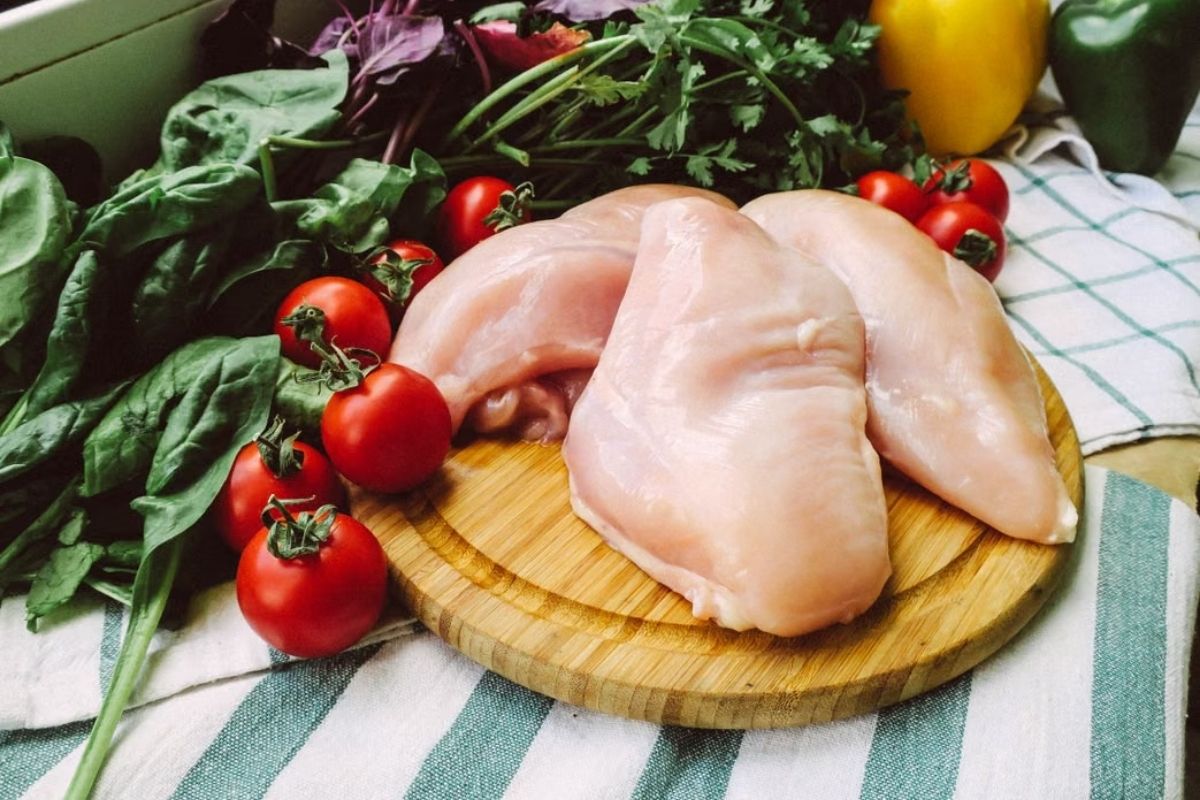

If you want to know how long to boil chicken breast, the right cooking time can vary by its size, thickness, bone, and whether it is fresh or frozen. This guide covers the time ranges for different types of chicken breast and the factors that affect them.
How Long to Boil Chicken Breast
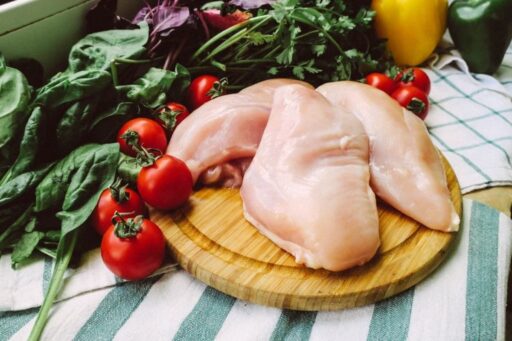
How long does it take to boil chicken breast? Most boneless chicken breasts take 10–20 minutes to boil, while bone-in breasts usually need about 20 minutes or longer.
| Chicken Breast | Approx. Simmer Time |
| Small/thin boneless breast | 8 – 10 minutes |
| Average boneless breast | 10 – 15 minutes |
| Large/thick boneless breast | 15 – 20 minutes |
| Bone-in breast | About 20 minutes or longer |
| Frozen boneless breast | About 50% longer than fresh |
A practical reference point is about 15 minutes for boneless breasts and 20 minutes for bone-in breasts.
So, how long to boil frozen chicken breast? Start with about 50% more time than the comparable fresh breast, then check the thickest part with a thermometer to confirm it reaches 165°F (74°C). The final cooking time can still vary with the breast’s size and thickness.
What Affects Boiling Chicken Breast Time?
Thickness has the strongest effect on how long to boil chicken breast. A thick breast takes longer for heat to reach its center, even when its overall weight is similar to a thinner piece.
Shape also matters when one side is much thicker than the other, since the thickest area takes longer to cook through.
How to Know When Boiled Chicken Breast Is Done
How long to boil chicken breast provides a starting point, but use temperature as the main check, with texture and appearance as supporting signs.
- Internal temperature: The thickest part of the breast should reach 165°F (74°C). This is the key safety benchmark for poultry.
- Thermometer placement: Insert the thermometer into the thickest part of the breast and avoid touching bone. If the piece has an uneven shape, check the thickest area.
- Texture: The meat should feel firm and cooked through.
- Appearance: The center should look opaque, but color alone is not a reliable safety check. Cooked poultry can sometimes remain pink, so use the thermometer when color and temperature do not seem to match.
If the temperature has not reached 165°F, return the chicken to the pot and check it again after a short interval. The thermometer should take priority over color or texture when the signs differ.
>>> Read more: How to Use a Meat Thermometer Correctly Every Single Time
How to Boil Chicken Breast Without Overcooking It
Use a short heat sequence before you start counting the cooking time.
- Cover the chicken with water or broth: The liquid should fully cover the breasts.
- Bring the liquid to a full boil: Wait until the water reaches a clear, rolling boil.
- Reduce to a gentle simmer: Lower the heat until small bubbles rise steadily without a rapid, rolling boil.
- Start checking at the lower end of the cooking-time range: Once the simmer is stable, begin counting the time from the range for the chicken’s size and type.
- Remove the chicken once it is fully cooked: Check the thickest part with a food thermometer and remove it when it reaches 165°F (74°C).
When considering how long to boil chicken breast to shred, also consider when to shred it: warm chicken is easier to pull apart, while fully chilled chicken is firmer.
How to Keep Boiled Chicken Breast Tender and Juicy
A few small adjustments can help keep boiled chicken breast tender without extending the cooking time unnecessarily.
- Use a gentle simmer: After the liquid reaches a boil, lower the heat and keep it around 180–190°F (82–88°C), with small, steady bubbles.
- Avoid overcooking: Start checking at the lower end of the recommended time range and remove the chicken at 165°F (74°C).
- Use similarly sized breasts: Choose pieces with similar thickness so how long does it take to boil chicken breast is easier to judge across the batch.
- Cook in broth: Replace plain water with chicken broth to add more flavor during cooking.
- Add simple seasonings: Use herbs, garlic, onion, or other seasonings in the cooking liquid.
- Let the chicken rest: Let the cooked chicken sit for a few minutes before cutting or shredding.
- Shred while warm: Shred the chicken while it is still warm for tacos, salads, soups, or casseroles.
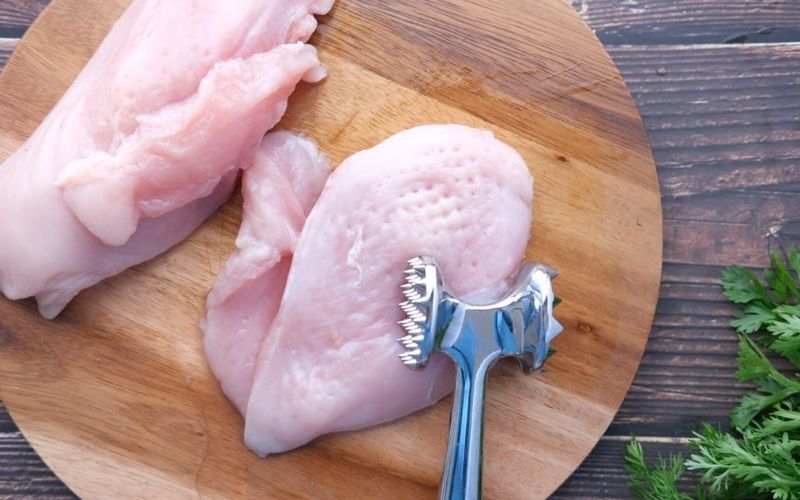
How long to boil a chicken breast can be harder to judge when the piece has a tapered shape. Flattening the thick end to a more even thickness can help the breast cook more evenly from one side to the other.
>>> Read more: How Long to Boil Potatoes: Easy Chart for Perfect Results
FAQs
Is 20 minutes long enough to boil chicken?
For large or thick boneless breasts, 20 minutes is within the suggested range. Bone-in breasts may need about 20 minutes or longer.
Can you overcook chicken by boiling it?
Yes. Boiling for too long can make the breast dry and tough, especially with smaller or thinner pieces.
Do I put chicken in water before or after it boils?
Place the chicken in the water first, then bring the liquid to a boil. Reduce the heat to a gentle simmer before timing the cooking period.
Can I boil chicken for 30 minutes?
You can, but 30 minutes is longer than the typical range for boneless breasts. Smaller pieces may become dry if cooked that long.
What are common mistakes when boiling chicken?
Common mistakes include using a rolling boil throughout cooking, relying only on color to judge doneness, and cooking by time without checking the internal temperature.
Conclusion
For how long to boil chicken breast, use the size and type of breast to choose a suitable time range. Then check the thickest part before serving so the chicken reaches a safe level of doneness. A gentle simmer and timely removal can also help preserve the breast’s texture.
For more practical cooking guides, Zeolearn provides clear tips for everyday meals.