
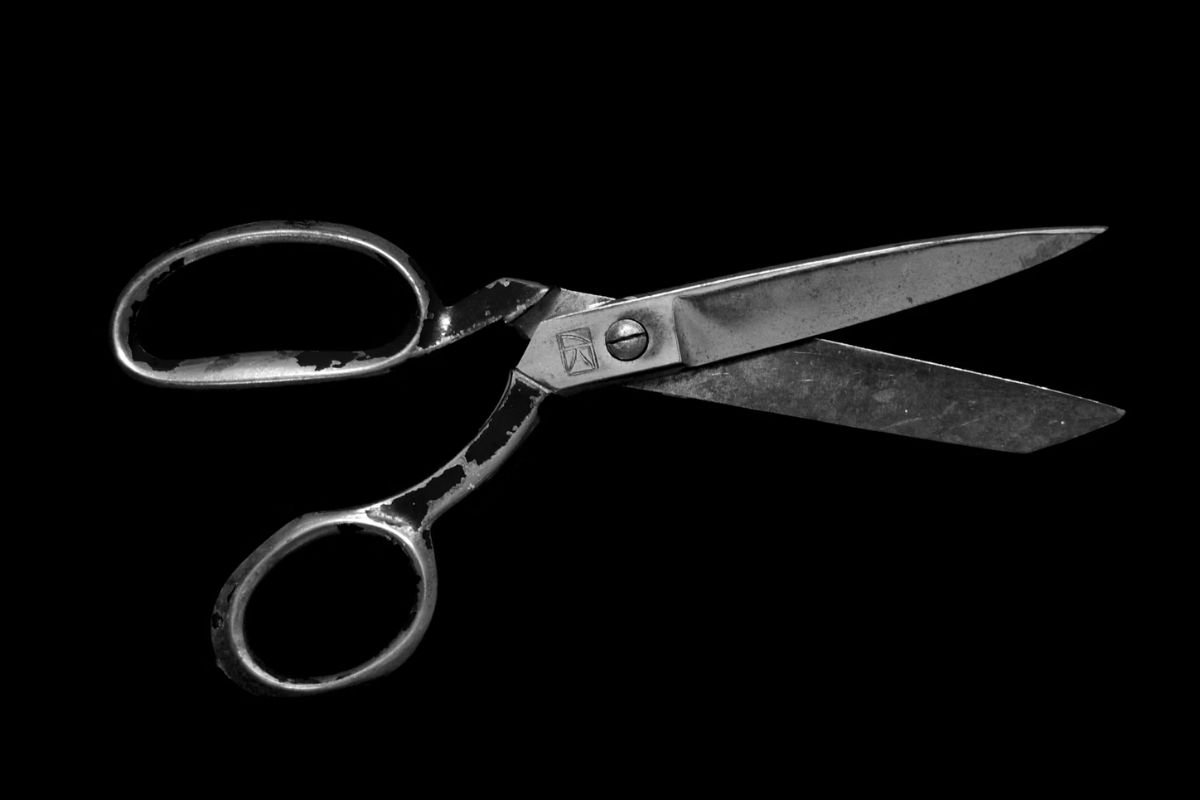

A pair of scissors rarely becomes dull overnight. Instead, you start noticing little signs, they fold paper instead of slicing it, snag fabric, or leave rough edges where there used to be clean cuts. At first, it’s only mildly annoying. Eventually, even simple tasks take twice as long.
If you’re searching how to sharpen scissors, this guide covers five effective methods, explains which one works best for different scissors, and shares practical tips to keep your blades sharp for longer.
Before You Sharpen Your Scissors
Before learning how to sharpen scissors, check whether the blades are truly dull. Dirt, sticky residue, rust, or a loose pivot screw can make scissors cut poorly even when the edge is still sharp.
Clean and Inspect the Blades
Wash the blades with warm, soapy water and use rubbing alcohol or white vinegar for adhesive residue. Dry them completely to prevent rust.
Check for:
- Loose screws
- Bent or misaligned blades
- Rust spots
- Chips or cracks
Cleaning the blades or tightening the screw may solve the problem without sharpening.
Identify the Scissor Type
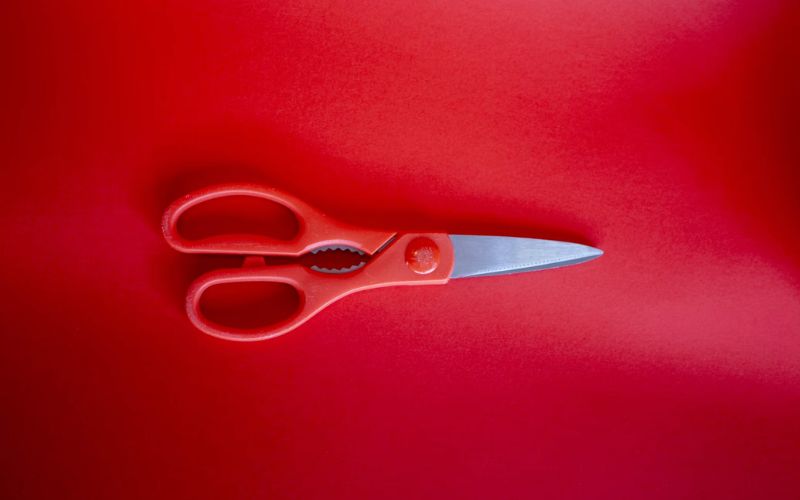
Use a sharpening stone or sharpener for household scissors. Kitchen scissors may also work with a honing rod, while fabric scissors require extra care. Professional sharpening is usually safest for hair scissors and other specialized blades.
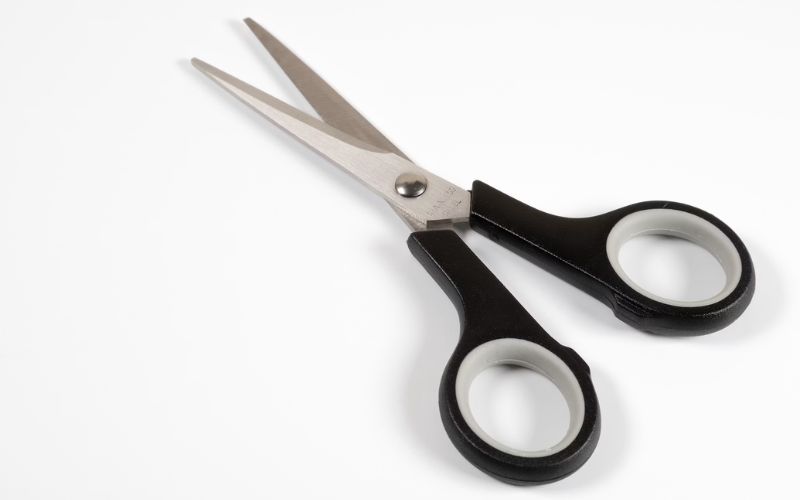
How to Sharpen Scissors At Home: 5 Effective Methods
Different sharpening techniques produce different results. Some restore a heavily worn edge, while others are better for routine maintenance.
Method 1: Use a Sharpening Stone – Best Overall
A sharpening stone offers the most controlled and reliable results for standard household scissors.
- Separate the blades if the scissors can be safely taken apart.
- Wet or lubricate the stone according to the manufacturer’s instructions.
- Place the beveled edge of one blade flat against the stone at its original angle.
- Move the blade from the base to the tip using smooth, even strokes.
- Repeat five to ten times, maintaining the same angle.
- Sharpen the second blade in the same way.
- Wipe away metal filings and reassemble the scissors.
Avoid sharpening the flat inner sides aggressively, as this can damage the way the blades meet.
Method 2: Use a Scissor Sharpener – Best for Beginners
A dedicated scissor sharpener is one of the easiest options for household scissors because its sharpening slot helps guide the blade at a consistent angle.
To use it:
- Place the sharpener on a stable surface.
- Insert one blade into the appropriate slot.
- Pull the blade through using light, steady pressure.
- Repeat three to five times.
- Clean the blades and test the scissors on scrap paper.
Check the manufacturer’s instructions first, since some sharpeners are unsuitable for serrated or specialty scissors.
Method 3: Use Fine-Grit Sandpaper – Best for Light Dullness
Fine-grit sandpaper can smooth small burrs and refresh a slightly dull edge. It is a convenient option for anyone researching how to sharpen hair scissors without buying a specialized tool.
- Fold a sheet of fine-grit sandpaper with the abrasive sides facing outward.
- Make 10 to 15 full cuts through the sandpaper.
- Use the entire length of the blades with each cut.
- Wipe the scissors clean with a damp cloth and dry them thoroughly.
This method may improve cutting performance, but it will not fully restore severely dull or damaged blades.
Method 4: Cut Aluminum Foil – Best for a Quick Touch-Up
Aluminum foil is useful for cleaning light oxidation and smoothing tiny burrs, but it does not sharpen scissors as effectively as a stone or dedicated sharpener.
To try this method:
- Fold a sheet of aluminum foil several times to create multiple layers.
- Cut through the foil 10 to 15 times.
- Make full-length cuts from the base of the blades to the tips.
- Wipe the blades clean afterward.
Treat this as a temporary maintenance method rather than a solution for heavily worn scissors.
Method 5: Use a Honing Rod – Best for Some Kitchen Shears
A honing rod may help kitchen shears with smooth, beveled blades. Honing realigns the cutting edge rather than removing enough metal to create a completely new edge.
- Hold the honing rod firmly on a stable surface.
- Position the beveled side of the blade against the rod at its existing angle.
- Draw the blade along the rod from the base to the tip.
- Repeat several times on each blade.
- Clean and test the shears afterward.
Do not use this method on serrated kitchen shears unless the manufacturer specifically recommends it. Hairdressing scissors, expensive fabric shears, and badly damaged blades are generally best handled by a professional sharpener.
After using any method, test the scissors on scrap paper or fabric. The blades should cut smoothly from the base to the tip without folding, tearing, or catching the material.
>>> Read more: How to Clean a Blender Properly with 4 Simple Steps
How to Test Whether Your Scissors Are Sharp
After completing how to sharpen scissors, it’s important to verify the results.
Paper test
Hold a sheet of printer paper in one hand. Cut smoothly from one end to the other. Sharp scissors should cut cleanly without folding or tearing the paper.
Fabric test (for fabric scissors)
Fabric scissors should glide through cotton or similar fabric without pulling threads. If the fabric catches or bunches, additional sharpening or professional servicing may be necessary.
Smooth cutting without snagging
Regardless of the material, properly sharpened scissors should:
- Open and close smoothly.
- Cut continuously from heel to tip.
- Leave clean edges.
- Avoid snagging or crushing material.
Common Mistakes to Avoid
Even the right sharpening method can damage scissors when used incorrectly.
- Using the Wrong Angle
Changing the original bevel angle can remove too much metal and reduce cutting performance. Follow the existing edge as closely as possible.
- Over-Sharpening
Sharpening too often wears down the blades. Only sharpen when the scissors noticeably struggle to cut.
- Sharpening Dirty Blades
Dirt, glue, and residue can scratch the metal and interfere with sharpening. Always clean and dry the blades first.
- Using DIY Methods on Specialty Scissors
Hair and fabric scissors often have precise blade angles. Professional sharpening is usually safer for expensive or specialized tools.
- Relying Only on Aluminum Foil
Aluminum foil may smooth small burrs, but it cannot restore a heavily dull edge. Use it for a quick touch-up, not as a replacement for proper sharpening.
>>> Read more: How To Use A Slow Cooker: A 6-Step Guide for First Time
How to Keep Scissors Sharp Longer
Good maintenance helps scissors stay sharp and reduces the need for frequent sharpening.
- Clean After Use: Wipe away glue, dust, food residue, or fabric fibers. Dry the blades completely to prevent rust.
- Store Them Safely: Keep scissors in a protective case, blade cover, or separate drawer compartment. Avoid contact with other metal tools.
- Use Them Correctly: Use fabric scissors only for fabric, kitchen shears for food, and paper scissors for paper or light cardboard.
- Lubricate the Pivot: Apply one drop of light machine oil to the pivot screw every few months. Open and close the scissors several times, then wipe away excess oil.
FAQs
Can I sharpen scissors with a stone?
Yes. In fact, how to sharpen scissors with a stone is widely considered one of the most effective methods because it restores the cutting edge while allowing precise control over the sharpening angle.
Can I sharpen scissors with a knife sharpener?
Sometimes. Some pull-through knife sharpeners also support scissors, but many are designed only for straight knife blades.
If you’re considering how to sharpen scissors with a knife sharpener, check that your sharpener specifically includes a scissor sharpening slot.
Does cutting aluminum foil sharpen your scissors?
Not exactly. Cutting aluminum foil may remove tiny burrs and improve slightly dull blades, but it doesn’t replace proper sharpening.
How to sharpen scissors at home without a sharpener?
If you don’t own a dedicated sharpener, you can try:
- A sharpening stone
- Fine sandpaper
- Aluminum foil for light maintenance
Does vinegar and baking soda sharpen scissors?
No. Vinegar helps remove rust and adhesive residue, while baking soda can assist with cleaning. Cleaning the blades first is helpful, but you’ll still need a proper sharpening method to restore dull scissors.
Final Thoughts
Learning how to sharpen scissors is less about finding one “magic trick” and more about choosing the right method for the type of scissors you own.
A sharpening stone offers the best overall results, dedicated sharpeners provide convenience, and simple techniques like fine sandpaper or aluminum foil can help maintain an edge between full sharpenings.