

If your tea often tastes too weak, bitter, or flat, the problem may be in the preparation. Knowing how to make tea properly means choosing the right water temperature, measuring the correct amount of tea, and steeping it for the right length of time.
This step-by-step guide covers the essentials for different tea types, helping you create a smoother, more flavorful drink without complicated equipment.
What You’ll Need Before You Start
Before learning how to make tea, gather a few basic items. Most are probably already in your kitchen.
| Item | Why You Need It |
| Tea bags or loose-leaf tea | The main ingredient for brewing tea |
| Fresh, cold water | Produces cleaner, fresher flavor |
| Kettle or saucepan | Heats the water to the proper temperature |
| Mug, teapot, or tea infuser | Holds the tea while it brews |
| Measuring spoon (optional) | Helps portion loose-leaf tea accurately |
| Honey, sugar, lemon, or milk (optional) | Adjusts flavor to your preference |
How to Make Tea: Step-by-Step Guide
Once everything is ready, follow these simple steps for making tea.
- Step 1: Heat the water
Different teas require different water temperatures. Black and herbal teas generally brew well with nearly boiling water, while green and white teas taste better at lower temperatures. Water that is too hot can make delicate teas bitter.
- Step 2: Measure the tea
Use one tea bag or about one teaspoon of loose-leaf tea for every 8 ounces (240 mL) of water. Adjust the amount slightly if you prefer stronger or lighter tea.
- Step 3: Steep for the right amount of time
Use the recommended time and temperature for your tea type:
| Tea Type | Water Temperature | Steep Time |
| Black | Near boiling (about 95-100°C / 203–212°F) | 3-5 min |
| Green | About 75-85°C / 167-185°F | 2-3 min |
| White | About 80-85°C / 176-185°F | 3-5 min |
| Oolong | About 85-95°C / 185-203°F | 3-5 min |
| Herbal | Near boiling | 5-7 min |
Steeping too briefly may produce weak tea, while steeping too long can create a bitter or overly strong taste.
- Step 4: Remove the tea leaves or tea bag
Remove the tea bag or strain the loose leaves once the steeping time is complete. Leaving them in the water allows the tea to continue extracting and may increase bitterness.
- Step 5: Serve and adjust to taste
Taste the tea before adding anything. Depending on your preference, you can add:
- Honey or sugar
- Lemon
- Milk
- Fresh mint
Serve the tea immediately while it is warm and aromatic.
Factors That Affect the Flavor
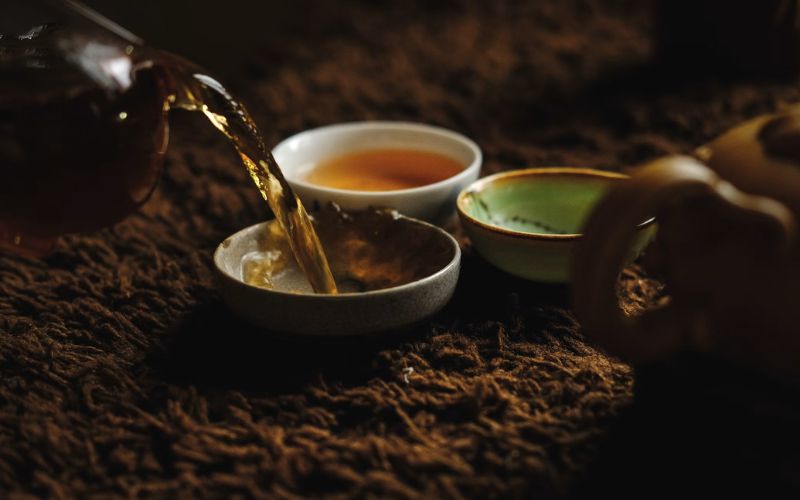
Even when following the guide correctly, several variables influence the final result.
- Water temperature
Each tea contains different compounds that dissolve at different temperatures. Water that’s too hot can scorch delicate leaves, while water that’s too cool may fail to extract enough flavor.
- Steeping time
Time and temperature work together. Higher temperatures extract flavor more quickly, while lower temperatures often require slightly longer brewing. Finding the right combination creates a balanced cup instead of one that’s weak or overly bitter.
- Tea-to-water ratio
A key part of how to make tea is balancing strength and flavor. More tea leaves add richness, while over-steeping releases extra tannins.
- Tea quality and freshness
Fresh, high-quality tea typically contains more aromatic oils and intact leaves. Proper storage also matters. Tea exposed to moisture, light, or strong odors gradually loses its flavor over time.
>>> Read more: How to Clean Tea Kettle Inside & Out: 3 Effective Methods
Popular Ways to Prepare Tea
Once you’ve mastered the basics of how to make tea, it’s easy to experiment with different styles.
Ginger tea
If you’re wondering how to make ginger tea, slice fresh ginger into thin pieces and simmer it in water for 10-15 minutes before serving. Honey and lemon pair especially well with ginger.
Iced tea
To learn how to make iced tea, brew tea slightly stronger than usual since the melting ice will dilute it. Allow it to cool before pouring over ice, then garnish with lemon or fresh herbs if desired.
Chai tea
If you are learning how to make chai tea, simmer black tea with spices such as cinnamon, cardamom, ginger, and cloves. Add milk and sweetener, then strain before serving.
Cold brew tea
For how to make cold brew tea, combine tea leaves or tea bags with cold water and refrigerate for 6-12 hours. Cold brewing extracts fewer tannins, producing a naturally smoother, less bitter flavor.
Tea Bag vs. Loose-Leaf Tea: What’s Different
When learning how to make tea, you may wonder whether tea bags or loose-leaf tea are better.
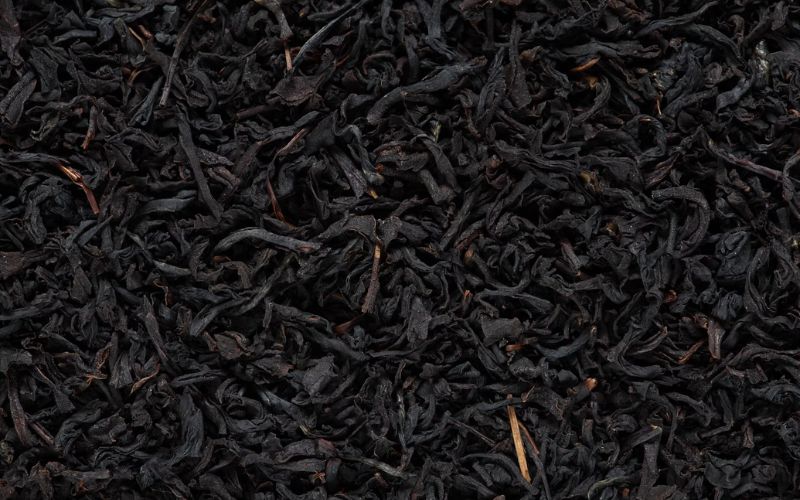
Tea bags are convenient, quick, and easy to clean up, making them ideal for everyday brewing. Loose-leaf tea usually offers a richer flavor, stronger aroma, and more variety because the leaves have more room to expand.
| Tea Bags | Loose-Leaf Tea |
| Convenient and portable | Richer flavor and aroma |
| Faster preparation | Greater tea variety |
| Less cleanup | Requires an infuser or strainer |
Choose tea bags for speed and convenience, or loose-leaf tea when flavor and quality matter most.
Helpful Tips for Making Better Tea
Once you understand how to make tea, a few small adjustments can improve the flavor, aroma, and consistency of every cup.
Use fresh, cold water. Fresh water contains more oxygen, which helps bring out brighter and cleaner flavors. Avoid repeatedly reheating old water.
Follow the correct steeping time. Over-steeping can make tea bitter, while removing the leaves too early may produce a weak cup.
Control the water temperature. Black and herbal teas generally need hotter water, while green and white teas taste better at lower temperatures. A temperature-controlled kettle can make brewing easier.
Warm the mug or teapot. Rinse it with hot water before brewing to help maintain a steady temperature.
Store tea properly. Keep tea in an airtight container away from moisture, sunlight, heat, and strong odors.
Adjust the tea amount, not the steeping time. For stronger tea, add more leaves or use an extra tea bag instead of steeping longer, which can increase bitterness.
>>> Read more: How to Clean a Coffee Grinder: Easy Steps for Every Type
FAQs
How long should tea steep?
It depends on the variety. Most teas steep between 2 and 7 minutes, with green tea requiring shorter times and herbal teas benefiting from longer infusions.
Can I make tea without a kettle?
Yes. You can heat water in:
- A saucepan
- A microwave-safe container
- An electric hot water dispenser
As long as the water reaches the proper temperature, the brewing process remains the same.
What is the best water temperature for tea?
Different teas require different temperatures.
- Green Tea: 170-180°F (77-82°C)
- White Tea: 175-185°F (79-85°C)
- Oolong Tea: 185-205°F (85-96°C)
- Black Tea: 200-212°F (93-100°C)
- Herbal Tea: 212°F (100°C)
Can I make cold brew tea overnight?
Yes. In fact, overnight brewing is one of the easiest ways to prepare how to make cold brew tea. Simply refrigerate the tea for 6-12 hours, then remove the leaves or tea bags before serving.
What are the 7 steps to make a cup of tea?
The basic process is:
- Gather your equipment.
- Heat fresh water.
- Measure the tea.
- Pour the water over the tea.
- Steep for the recommended time.
- Remove the tea leaves or tea bag.
- Serve and adjust the flavor to your liking.
Final Thoughts
Learning how to make tea is less about following a rigid recipe and more about understanding how a few simple factors work together. Water temperature, steeping time, tea quality, and the amount of tea all influence the final flavor, and small adjustments can produce noticeably different results.