




After a long day, it can be tempting to skip makeup removal and head straight to bed. However, leaving makeup on overnight can leave dirt, oil, sunscreen, and cosmetic residue on the skin for hours.
Knowing how to remove makeup properly is a crucial part of any skincare routine. Whether you wear a full face of makeup or only a few products, following the correct steps can help support healthier-looking skin over time.
Why Proper Makeup Removal Matters
Many cosmetic products contain long-wearing ingredients that adhere closely to the skin, making plain water insufficient for removing all traces of makeup.
When makeup, excess oil, and environmental pollutants remain on the skin, they may contribute to clogged pores, dullness, irritation, and occasional breakouts.
Proper cleansing also helps skincare products work more effectively. Serums, moisturizers, and treatments are absorbed more easily when applied to clean skin rather than over makeup residue.
In addition, removing eye makeup correctly can help reduce unnecessary rubbing around the delicate eye area, which may help minimize irritation and discomfort.
What You’ll Need to Remove Makeup
Before you begin, gather a few basic products and tools to make the makeup removal process easier, more effective, and gentler on your skin.
| Items | Purposes |
| Makeup-removing cleanser or cleansing balm | Breaks down makeup and sunscreen |
| Cotton pads or reusable cleansing pads | Helps remove product gently |
| Gentle facial cleanser | Cleans remaining residue |
| Lukewarm water | Rinses away cleanser |
| Soft towel | Dries skin without irritation |
| Moisturizer | Helps restore hydration |
How To Remove Makeup Properly? A Step-by-Step Guide
Removing makeup correctly helps keep your skin clean, supports a healthy skin barrier, and reduces the risk of clogged pores. Once you have the right products ready, follow these simple steps to remove makeup thoroughly without irritating your skin.
Step 1: Move Hair Out of Your Face
Before you begin, tie your hair back or use a headband to keep it away from your face. This helps prevent makeup residue and cleansers from getting into your hair and allows you to cleanse every area more effectively.
Step 2: Use a Makeup-Removing Cleanser
Apply a cleansing balm, cleansing oil, micellar water, or another makeup-removing cleanser according to the product instructions.
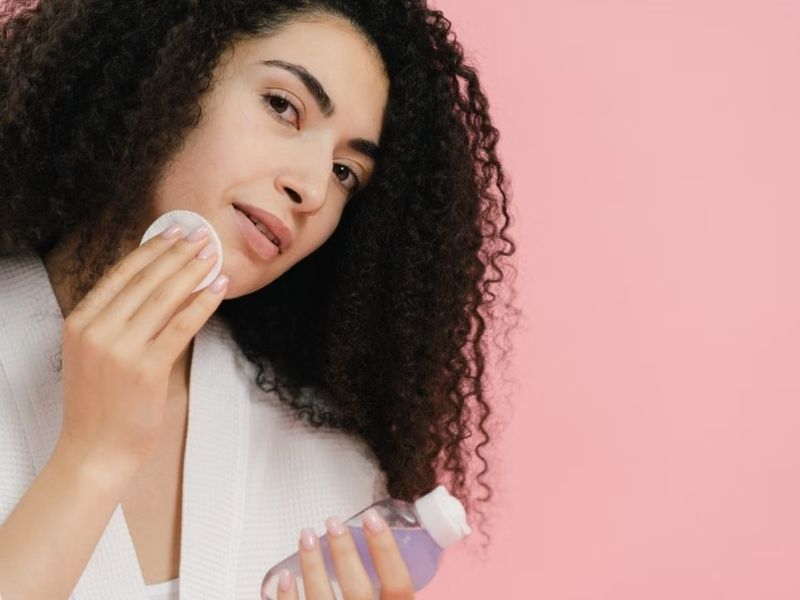
Gently massage the product over your skin to dissolve foundation, sunscreen, blush, and other cosmetic products. Give the remover enough time to break down the makeup before wiping or rinsing it away.
Step 3: Remove Eye & Lips Makeup
Eye and lip products often require extra attention because waterproof mascara, eyeliner, and long-wear lip products can be more difficult to remove.
Soak a cotton pad with makeup remover and gently press it against your closed eyelid for several seconds. This allows the product to dissolve the makeup before you wipe it away, helping minimize rubbing and irritation.
Use the same gentle technique when removing lipstick, lip stain, or other long-lasting lip products.
Step 4: Remove Facial Makeup
Once the eye and lip makeup has been removed, focus on the rest of your face.
Work the remover evenly across your forehead, cheeks, nose, chin, and jawline. Pay special attention to areas where makeup tends to accumulate, such as around the hairline, nose creases, and under the jaw.
Continue until most visible makeup has been dissolved and lifted from the skin.
Step 5: Deep Cleanse
After removing your makeup, wash your face with a gentle facial cleanser. This second cleanse helps remove any remaining traces of makeup, excess oil, dirt, and cleanser residue.
This technique, often referred to as double cleansing, can leave the skin feeling cleaner and better prepared for the rest of your skincare routine.
Step 6: Pay Dry
Rinse away all cleanser residue and gently pat your skin dry with a soft, clean towel.
Avoid rubbing your face aggressively, as this can cause unnecessary irritation, particularly around sensitive areas such as the eyes and cheeks.
Step 7: Finish with Moisture
The final step is to restore moisture to the skin. Apply a suitable moisturizer after cleansing to help maintain hydration and support the skin’s natural barrier.
If you use nighttime skincare products such as serums or treatment creams, apply them according to your routine before or after moisturizer, depending on the product instructions.
By following these steps consistently, you can remove makeup more effectively while helping keep your skin clean, comfortable, and healthy.
>>> Read more: Does Hand Sanitizer Expire? 5 Signs It’s Time to Replace It
Common Makeup Removal Mistakes to Avoid
Even when you follow a regular skincare routine, certain makeup removal habits can leave residue behind or cause unnecessary irritation. Avoiding these common mistakes can help keep your skin cleaner, healthier, and more comfortable.
- Sleeping with makeup on: Leaving makeup on overnight can contribute to clogged pores, breakouts, and skin irritation.
- Rubbing the eye area too aggressively: Excessive rubbing may irritate the delicate skin around the eyes and cause discomfort.
- Using hot water instead of lukewarm water: Very hot water can strip the skin of natural oils and leave it feeling dry.
- Skipping the second cleanse: Failing to wash away leftover makeup remover, oil, and debris may leave residue on the skin.
- Forgetting the hairline, neck, or jawline: Makeup often collects in these areas and can be easily overlooked during cleansing.
- Using dirty towels or reusable pads: Reusing unclean tools may transfer dirt, oil, and bacteria back onto freshly cleansed skin.
- Applying skincare products before makeup is fully removed: Remaining makeup can interfere with the absorption of skincare products.
- Pulling at the skin while removing waterproof makeup: Instead of scrubbing, allow the remover time to dissolve stubborn products before gently wiping them away.
Being mindful of these mistakes can make your makeup removal routine more effective while helping protect your skin from unnecessary irritation.

Tips for Healthy Skin After Removing Makeup
Proper makeup removal is an important step in any skincare routine, but maintaining healthy skin involves more than cleansing alone. Adopting a few simple habits can help keep your skin balanced, comfortable, and looking its best over time.
- Remove makeup every night before bed
Even if you feel tired, sleeping with makeup on can leave residue on the skin and make it more difficult for your skin to refresh itself overnight.
- Choose products that match your skin type
Whether your skin is oily, dry, sensitive, or combination, using suitable cleansers and moisturizers can help support your skin’s natural barrier and reduce unnecessary irritation.
- Stay hydrated and moisturize regularly
Drinking enough water and applying a moisturizer after cleansing can help maintain hydration and prevent the skin from feeling tight or dry.
Combining these habits with proper makeup removal can help promote cleaner, healthier-looking skin and support a more effective skincare routine overall.
>>> You might be interested in: How To Remove Water Stains From Wood: 9 Simple Methods
FAQs
Is Vaseline ok to remove makeup?
Petroleum jelly can loosen products such as mascara and eyeliner. However, because it can leave residue, many people follow it with a facial cleanser.
Can makeup cause hyperpigmentation?
Makeup itself does not usually cause hyperpigmentation. However, irritation, clogged pores, or acne related to makeup use may contribute to discoloration in some cases.
What naturally takes off mascara?
Oils such as coconut oil or olive oil can help break down mascara, though a dedicated eye makeup remover is often more effective.
What is the 4 2 4 rule in skincare?
The 4-2-4 technique is a cleansing approach that divides the routine into three timed stages: 4 minutes with an oil-based cleanser, 2 minutes with a water-based cleanser, and a final 4 minute rinse.
Can old makeup cause dermatitis?
Yes. Expired makeup may contain bacteria or degraded ingredients that can irritate the skin and potentially contribute to dermatitis.
Final Thoughts
Knowing how to remove makeup properly is one of the simplest ways to support healthier skin and maintain an effective skincare routine.
By taking a few extra minutes to remove eye makeup carefully, cleanse thoroughly, and restore moisture afterward, you can help reduce buildup, improve skin comfort, and keep your complexion looking its best over time.