
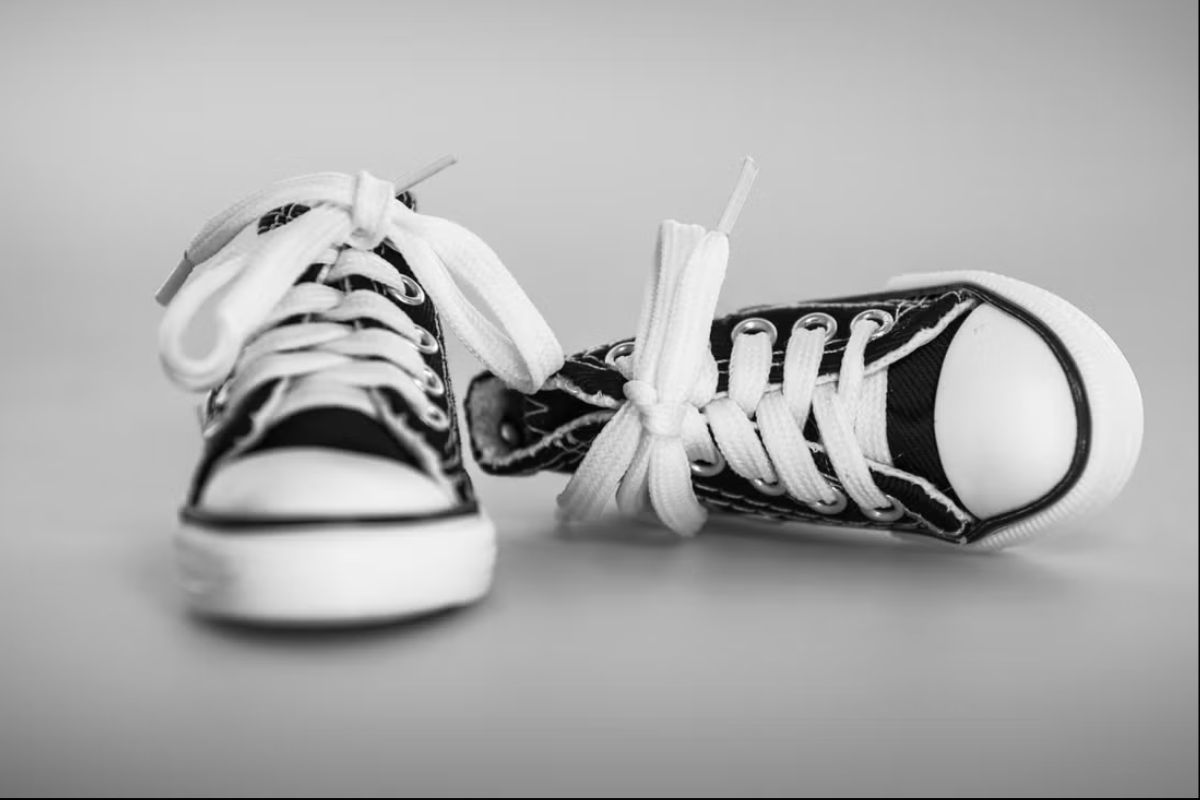

A squeaky pair of shoes can quickly become frustrating, especially when the noise follows every step you take. The good news is that squeaking is often caused by moisture, friction, worn components, or trapped air, which you can fix at home without replacing the shoes.
If you’re wondering how to stop shoes from squeaking, this guide covers the most common causes, practical solutions, and preventive tips to help keep your footwear quiet and comfortable.
Why Do My Shoes Squeak?
Before applying tips on how to stop my shoes from squeaking, it’s helpful to understand what’s causing the noise. The source of the squeak often determines which solution will work best.
Common reasons include:
- Moisture trapped inside the shoe after rain, sweat, or cleaning
- Friction between the insole and the interior of the shoe
- New shoes that haven’t fully broken in
- Loose soles, heels, or other shoe components
- Worn-out tread patterns creating noise against smooth floors
- Leather rubbing against itself or other materials
- Air pockets trapped inside the sole structure
- Dirt or debris caught in the outsole
- Manufacturing defects in the sole or internal construction
>>> Read more: How to Waterproof Boots: A Complete Guide by Boot Type
How to Stop Shoes from Squeaking: 8 Helpful Methods
Once you’ve identified the source of the noise, you can choose the most appropriate solution. Start with simple fixes such as drying the shoes or reducing friction before considering repairs.
Method 1: Dry Out the Shoes
Moisture is one of the most common causes of squeaky footwear.
If your shoes recently got wet or you tend to sweat heavily while wearing them, let them dry completely before wearing them again. Remove the insoles if possible and place the shoes in a well-ventilated area.
You can also stuff them with newspaper to help absorb excess moisture. Avoid placing shoes directly next to heaters, as excessive heat may damage certain materials.
This is often the first solution people try when searching for how to stop shoes from squeaking when walking after rainy weather.
Method 2: Use Silicone Spray
Sometimes squeaking occurs when two materials inside the shoe rub against each other. A light application of a shoe-safe lubricant or silicone spray around areas where materials rub together may help reduce squeaking.
- Always test on a small hidden area first, especially on leather or suede shoes.
- Allow the spray to dry fully before wearing the shoes again.
- Be careful not to oversaturate the material, especially on suede or delicate fabrics.
Method 3: Use Baby Powder or Cornflour
How do I stop my shoes from squeaking? If the squeak comes from the area beneath the insole, baby powder or cornstarch can help absorb moisture and reduce friction.
Remove the insole if possible and lightly sprinkle a small amount underneath before replacing it.
Method 4: Apply Leather Conditioner or Oil
Leather shoes may develop squeaks when the leather dries and starts to rub against itself.
If you’re looking for how to stop leather shoes from squeaking, applying a suitable leather conditioner can often help. The conditioner softens the leather and reduces friction between moving parts.
Apply a small amount according to the product instructions and allow it to absorb fully before wearing the shoes.
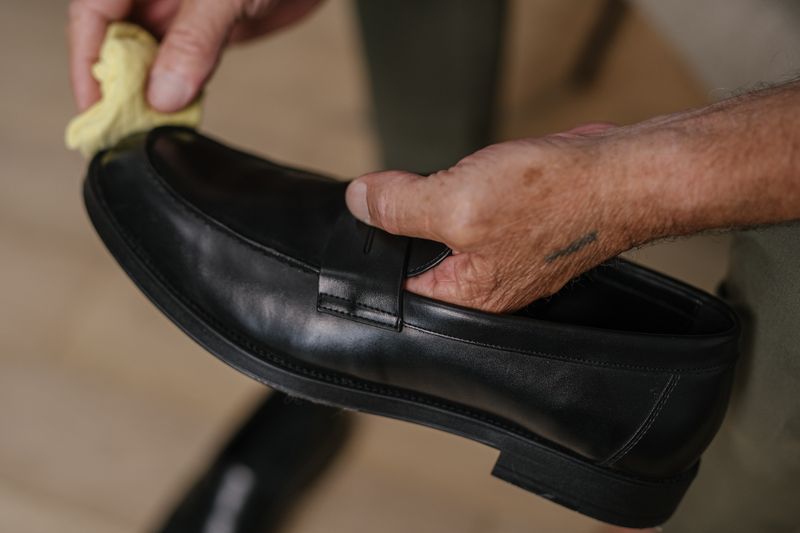
Method 5: Fix or Replace Worn Soles
Wonder how to stop shoes from squeaking? As shoe soles wear down, they may become uneven or lose their grip, leading to squeaking on certain surfaces.
Inspect the outsole for excessive wear, cracks, or smooth spots. If the damage is significant, replacing the sole through a professional shoe repair service may be the most effective solution.
This is particularly common in older dress shoes and frequently worn work shoes.
Method 6: Use Dryer Sheets
Dryer sheets may temporarily reduce friction inside certain shoes, although results vary depending on the cause of the squeak.
Rub a dryer sheet lightly over the insole and any interior surfaces where it rubs. While this solution may not permanently eliminate squeaks, it can provide temporary relief.
Many people use this method when they need a quick fix before work, school, or an event.
Method 7: Tighten or Glue Loose Parts
Loose heels, detached insoles, or partially separated sections of the sole can all cause squeaking noises.
Carefully inspect the shoe for any loose components. Small separations may sometimes be repaired using a shoe adhesive designed specifically for footwear. Allow the adhesive to cure completely according to the manufacturer’s instructions before wearing the shoes.
For major structural issues, professional repair is usually the safer option.
Method 8: Sand the Sole
If the squeak only occurs on smooth indoor floors, the outsole may be too slick.
Lightly roughening the outsole with fine-grit sandpaper can improve grip and reduce the stick-slip effect that often causes squeaking on polished floors. Sand gently and evenly to avoid damaging the sole.
>>> Read more: How to Stop Shoes From Blistering Without Painful Heel Rubs
Tips to Prevent Your Shoes from Squeaking
Preventing is often easier than learning how to stop shoes from squeaking after they appear. Regular shoe maintenance can reduce moisture buildup, minimize friction, and help extend the lifespan of your footwear.
- Allow shoes to dry completely after rain, cleaning, or heavy use to prevent trapped moisture from causing squeaks.
- Rotate between different pairs instead of wearing the same shoes every day, giving materials time to air out and recover.
- Store shoes in a cool, dry place to reduce moisture accumulation and protect adhesives and leather components.
- Clean the soles regularly to remove dirt, grit, and debris that may create noise against walking surfaces.
- Replace worn insoles when needed, especially if they have become loose or compressed over time.
- Condition leather shoes periodically to keep the material flexible and reduce friction between leather surfaces.
- Inspect and repair loose parts early, including heels, insoles, and sole edges, before minor issues worsen.
- Limit unnecessary exposure to water whenever possible, particularly for leather and suede footwear.
By following these simple maintenance habits, you can reduce the chances of squeaking and keep your shoes comfortable and quiet for longer.
When to Replace Squeaky Shoes?
Sometimes repairing a squeaky shoe is no longer the most practical solution. If the noise is caused by significant structural damage, replacing the footwear may save both time and money.
Consider replacing your shoes if:
- The sole is severely worn, cracked, or separating from the upper.
- Internal cushioning or support components are damaged.
- The squeaking persists after multiple repair attempts.
- The shoes no longer provide adequate comfort or stability.
- Repair costs approach the price of a new pair.
Older shoes can develop hidden internal issues that are difficult to diagnose and repair permanently. If the squeak is accompanied by visible wear, reduced support, or safety concerns, investing in a new pair may be the better long-term option.
FAQs
Why do my shoes make a sound when I walk?
The noise is usually caused by moisture, friction between materials, loose components, or worn soles interacting with the walking surface.
Do squeaky shoes go away?
Yes, squeaky shoes may sometimes go away. If moisture or a break-in period is causing the squeak, the noise may disappear naturally over time.
Are squeaky shoes faulty?
Not necessarily. While manufacturing defects can occasionally cause squeaks, normal wear, moisture, and friction are much more common causes.
Final Words
Learning how to stop shoes from squeaking can save you from unnecessary frustration and help extend the life of your favorite footwear. Whether the issue is trapped moisture, friction, worn soles, or loose components, many squeaks can be resolved with simple at-home solutions.
By identifying the source of the noise and applying the appropriate fix, you can enjoy quieter, more comfortable steps and keep your shoes performing their best.