

Squeaky brakes are one of the most common complaints among drivers and cyclists. Sometimes the cause is harmless, while other times it points to a problem that needs attention.
If you’ve been searching for how to fix squeaky brakes, this guide explains the most common causes, practical solutions, and the warning signs you shouldn’t ignore.
Why Are My Brakes Squeaking?
Before learning how to fix squeaky brakes, it helps to understand what causes the noise in the first place.
Common reasons include:
- Dust and debris buildup on brake components
- Moisture from rain, humidity, or washing
- Glazed brake pads or rotors
- Worn brake pads and other brake components
- Rotor or caliper misalignment
- Contamination from oil, grease, or cleaning products
The good news is that many of these issues can be corrected without replacing the entire braking system.
How to Fix Squeaky Brakes
The best fix depends on what is causing the noise. Begin with simple checks before trying more advanced repairs.
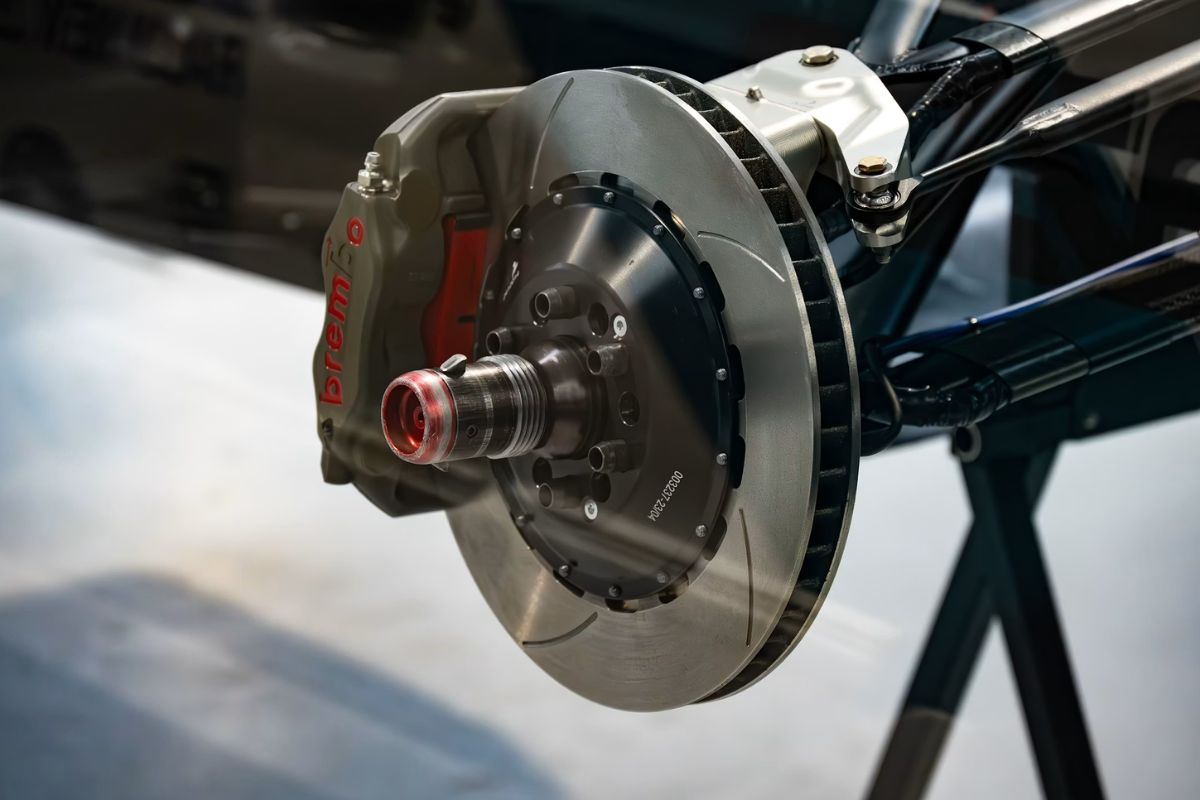
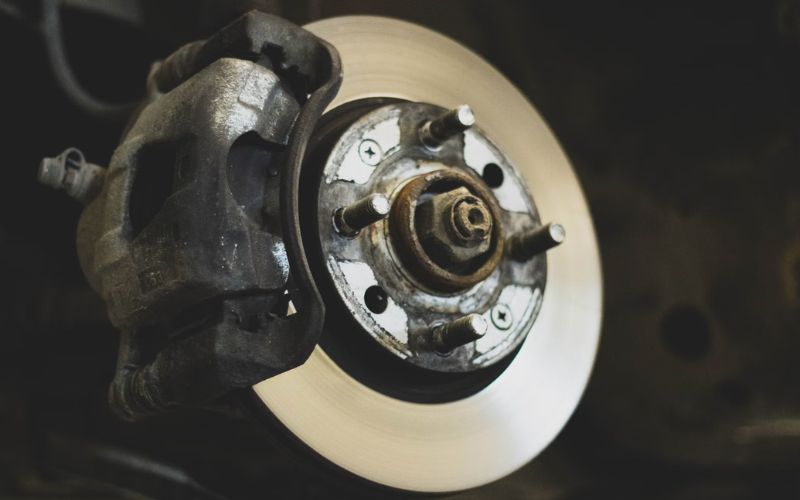
Cleaning the Rotor Surface
Dirty rotors are a frequent cause of brake noise. Use a brake cleaner designed for rotors and wipe the surface with a clean microfiber cloth. Removing dirt and residue often eliminates squeaking caused by contamination.
This step is especially helpful when learning how to fix squeaky disc brakes on bicycles and vehicles.
Removing Brake Contamination
When exploring how to fix squeaky brakes, keep in mind that even a small amount of oil or grease can cause noise. For example, accidentally touching the rotor after lubricating a bike chain may lead to squealing right away.
If contamination is present:
- Clean the rotor thoroughly.
- Inspect the brake pads.
- Replace pads if contamination has soaked into the material.
Checking Rotor Alignment
A slightly bent rotor can create constant contact with the brake pads. Look closely while spinning the wheel. If the rotor wobbles from side to side, it may need adjustment or replacement.
Misalignment is one of the more common answers to how to fix squeaky brakes when cleaning alone doesn’t solve the issue.
Inspecting Brake Pads
Brake pads naturally wear down over time.
Check for:
- Uneven wear
- Cracks
- Glazing
- Excessively thin material
Replacing worn pads often resolves both squeaking and braking performance concerns.
>>> Another helpful blog: How to Clean Tea Kettle Inside & Out: 3 Effective Methods
Are Squeaky Brakes Normal on New Vehicles?
When learning how to fix squeaky brakes, remember that not every squeak signals a problem. In many cases, temporary brake noise is completely normal.
- New Car Brakes
New brake pads and rotors need time to settle into one another. Light squeaking during the first few hundred miles is often part of the bedding-in process.
- New Bike Disc Brakes
The same principle applies to bicycles. People searching for how to fix squeaky bike brakes often discover that recently installed brake components simply need a short break-in period before they become quieter.
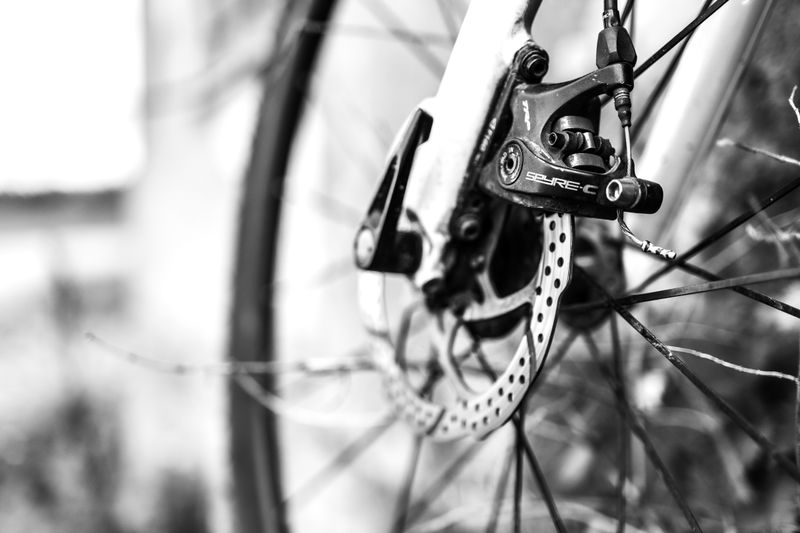
- Break-In Period
During this period, the surfaces gradually wear into matching contact patterns. As contact improves, noise often decreases naturally.
- When the Noise Should Disappear
Most new brake systems become quieter after regular use. If squeaking continues for an extended period or becomes louder, further inspection may be necessary.
When Squeaky Brakes May Indicate a Serious Problem
A squeak alone is not always alarming. However, certain symptoms suggest a more significant issue.
- Grinding Noises
Grinding sounds often indicate severely worn brake pads. When the friction material wears away completely, metal components may contact each other directly.
- Vibrations While Braking
A vibration through the steering wheel or brake pedal can indicate warped rotors or uneven brake wear. This situation deserves attention because it affects braking consistency.
- Reduced Braking Performance
If stopping distances increase, brake noise becomes more concerning. The combination of squeaking and reduced braking performance should never be ignored.
- Warning Lights
Modern vehicles monitor braking systems electronically. If a brake warning light appears alongside unusual sounds, schedule an inspection as soon as possible.
How to Prevent Brakes From Squeaking
Learning how to fix squeaky brakes often starts with preventive maintenance. While some brake noise is unavoidable, proper care can reduce persistent squeaking and help extend brake life.
- Keep brake components clean
Dust, dirt, and road debris can build up on brake pads and rotors, creating noise during braking. Periodic cleaning helps maintain smooth contact surfaces.
- Inspect brake pads regularly
Worn pads are a common cause of squeaking. Replace them before they become excessively thin and begin affecting braking performance.
- Avoid harsh braking whenever possible
Frequent hard stops generate excess heat and can accelerate brake wear, increasing the likelihood of noise.
- Use high-quality brake pads
Premium pads often include noise-reducing materials and shims that help minimize vibrations and squeaks.
- Ensure proper brake installation
Pads, rotors, clips, and hardware should be installed correctly and securely. Improperly fitted components can create unwanted noise.
- Address brake issues promptly
If squeaking becomes persistent or is accompanied by grinding, vibration, or reduced stopping power, have the braking system inspected by a qualified mechanic to prevent more costly repairs.
>>> Read more: How to Clean Keyboard Keys the Right Way (Step-by-Step Guide)
FAQs
Should You Spray WD-40 on Squeaky Brakes?
No. WD-40 should never be applied to brake pads or rotors. It can reduce friction and negatively affect braking performance.
Why Do My Brakes Squeak if the Pads Are Still Good?
Several factors besides worn pads can create noise, including moisture, dirt, rotor contamination, glazing, or alignment issues.
Is It Safe to Drive a Car with Squeaky Brakes?
Yes, sometimes. Minor squeaking caused by moisture or dust is often harmless. However, if the noise is accompanied by grinding, vibration, warning lights, or reduced braking performance, the vehicle should be inspected promptly.
How Much Should You Expect to Pay to Fix Squeaky Brakes?
The cost depends on the cause. Cleaning brake components may cost little or nothing if done yourself, while replacing pads or rotors can range from around $100 to several hundred dollars per axle for many vehicles.
Bottom Lines
Learning how to fix squeaky brakes starts with identifying the source of the sound rather than replacing parts immediately.
A clear pattern appears across most cases. Dirt, moisture, contamination, and normal wear create the majority of brake squeaks. When those issues are addressed early, the solution is often simple and inexpensive.