

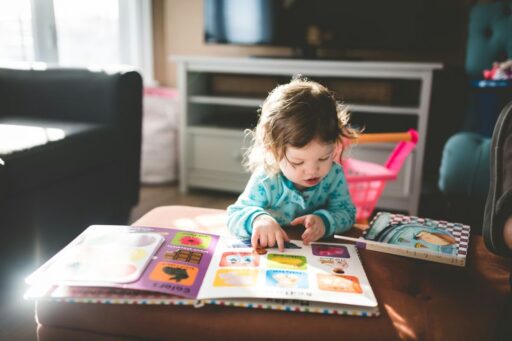
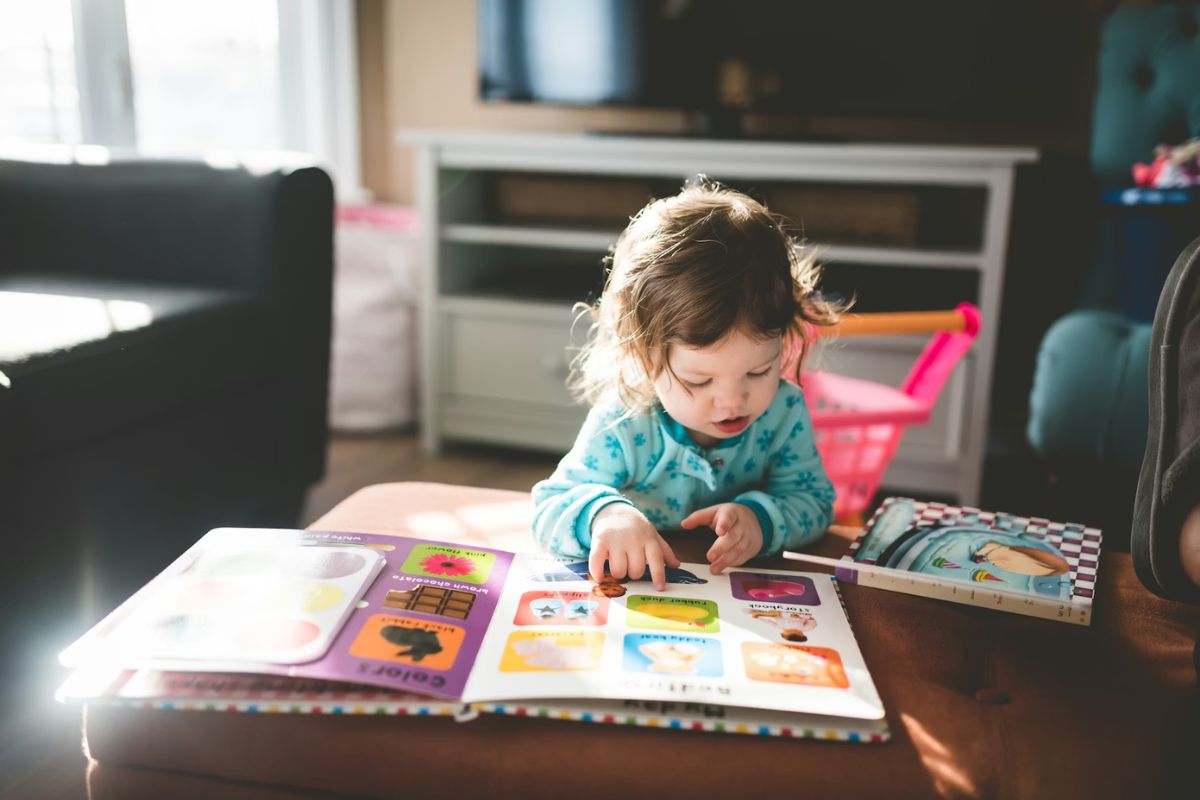

When do kids learn to read is a question that often comes up during quiet, everyday moments. You might notice your child recognizing letters, flipping through books, or asking what words mean. At first, it felt exciting. Then a new thought appears: are they on track, or falling behind?
So when do kids learn how to read, and what does “on track” actually look like? Let’s break it down in a way that reflects how children really develop.
1. When Do Kids Learn to Read
Most children begin learning to read between ages 5 and 7, but early reading foundations start much earlier. This means reading is not a single moment, it develops gradually over time.
To understand this better, let’s look at how reading skills build at each stage.
A gradual process, not a single milestone
Children do not suddenly “start reading” overnight. Reading develops step by step, beginning with recognizing sounds, then letters, then simple words.
Each stage builds on the previous one. This chain progression explains why progress can feel uneven but still be completely normal.
Typical age range
Most children begin learning to read between ages 5 and 7. However, early exposure can start much sooner. Some children show interest at age 3, while others take more time.
This reading milestone variation reflects differences in environment, exposure, and readiness rather than ability.
>>> You might be interested in: Is Japanese Hard to Learn? A Realistic Guide 2026
2. When Do Kids Usually Learn to Read by Age
Most children start to read simple words around ages 5–7, which is often the clearest answer to when do kids learn to read. However, reading develops in stages, and each age range plays a different role in building this skill.
Let’s break it down step by step below.
Ages 3-4: Early exposure
Especially as children reach the 3-year milestone, but they are not reading yet. Instead, they are building the foundation. At this age, kids begin to recognize letters, enjoy being read to, and slowly connect sounds with symbols.
Ages 4-5: Pre-reading skills
Children begin to identify simple words, understand rhymes, and recognize patterns in language. They may “pretend to read” by recalling stories. This stage shows that comprehension is developing before full decoding skills.
Ages 5-7: Learning to read
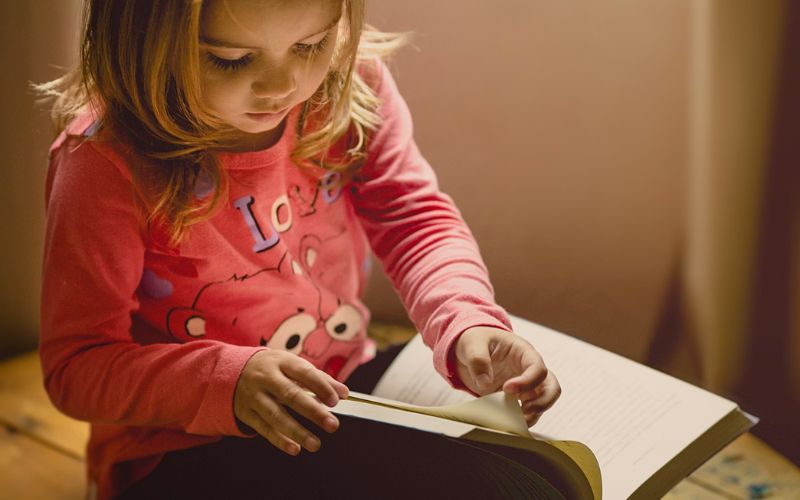
Ages 5 – 7 is the stage most people refer to when asking when do kids learn to read. Children begin reading in a structured way, decoding words, sounding out letters, and forming simple sentences. With consistent practice, progress becomes clearly visible.
Ages 7+: Reading to learn
Reading shifts from learning the skill to using it in this 7+ ages stage. Children read for information, understand longer texts, and develop comprehension. This transition marks a deeper level of literacy.
3. Why Some Kids Learn to Read Earlier
Some parents begin to wonder when do kids learn to read earlier than expected, especially when they see certain children picking up reading skills more quickly than others.
- Early exposure to language
Children who are read to often develop stronger familiarity with sounds and words. This repeated exposure helps them recognize patterns faster and build a foundation before formal reading begins.
- Rich learning environment
A home filled with books, conversations, and storytelling encourages curiosity. When children interact with language daily, they naturally absorb vocabulary and structure, which supports earlier reading development.
- Individual cognitive readiness
If you’re wondering when do kids learn to read, the answer can be varied. Each child develops at a different pace. Some children process sounds, symbols, and meaning more quickly, which allows them to connect letters to words earlier than others.
- Consistent practice and reinforcement
Regular interaction with letters, sounds, and simple texts strengthens memory. Over time, this repetition creates confidence, making the transition to reading smoother and earlier.
>>> Important information should read: Best Ways to Learn Math: Strategies, Facts, and Free Online Tools
4. How Parents Can Support Reading Development
As parents start to notice different reading speeds, many begin to wonder when do kids learn to read and more importantly, what actually helps that process at home.
- Read together every day
Daily reading builds a strong connection between sounds and words. When you read aloud, children hear correct pronunciation, rhythm, and expression. Over time, this repeated exposure helps them recognize patterns, making it easier to transition from listening to reading on their own.
- Encourage active participation
Instead of just reading to your child, involve them in the process. Ask simple questions, point to words, and let them guess what happens next. These interactions help parents better understand when do kids learn to read, as you can see their progress through how they respond and engage.
- Create a print-rich environment
Surround your child with books, labels, and written materials in everyday spaces. When children see words on objects, signs, or toys, they begin to understand that reading exists beyond books.
- Support without pressure
Children develop reading skills at different speeds, and pressure can slow progress instead of improving it. Offering encouragement, celebrating small wins, and allowing mistakes create a safe learning environment.
5. FAQs
When do most kids learn to read fluently?
Most children become more fluent between ages 7 and 8. Fluency develops after they master basic decoding and begin reading with confidence and speed.
When do kids typically learn to read independently?
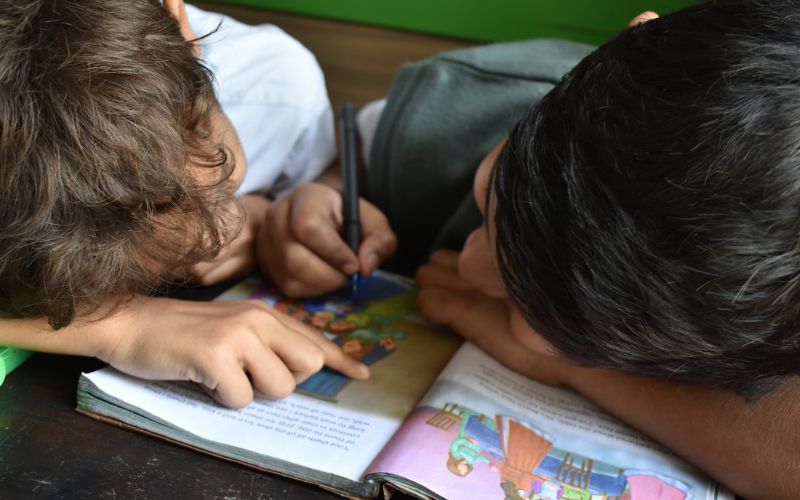
Children usually read independently around ages 6 to 7. Many parents notice that independence comes after basic skills, when children can read simple texts on their own with confidence.
Is it a problem if a child learns later?
No, not necessarily. Children learn at different speeds, and a later start can still be normal. However, if delays continue or affect other skills, it’s worth checking early.
Bottom Lines
Understanding when do kids learn to read helps you focus on what truly matters: steady progress, not perfect timing. Each child follows a different pace, but the path remains consistent, from early exposure to confident reading.
Instead of comparing milestones, support daily habits like reading together, encouraging curiosity, and creating a language-rich environment. These small actions build strong foundations over time.