


The easiest trade to learn is not the same for everyone. It depends on your physical strengths, how you learn, and how fast you need to be earning.
Some trades get beginners working on job sites within six months. Others take two to five years of apprenticeship before you see full wages.
This guide covers the most accessible options, what each one realistically takes to learn, and which trades offer the best balance of speed, pay, and opportunity.
What Is the Easiest Trade to Learn?
HVAC and welding are the strongest answers here. Both have short training paths, strong job demand, and median salaries that beat many four-year degree careers.
The easiest trades to enter share a few common traits. Training programs are short, often six months to one year. Entry-level positions are available without completing a full apprenticeship.
And the skills involved are learnable through vocational programs, community colleges, or on-the-job training.
HVAC: The Easiest Trade to Start Working In Under a Year
HVAC stands for heating, ventilation, air conditioning, and refrigeration. It’s often considered when people ask what trade is the easiest to learn.
Most HVAC programs at community colleges or vocational schools run six months to one year. After completing a certificate program, graduates can work as HVAC helpers or entry-level technicians while they log hours toward EPA Section 608 certification, which is required to handle refrigerants.
According to the U.S. Bureau of Labor Statistics, HVAC technicians earn a median of around $57,000 per year nationally, with experienced technicians and business owners earning significantly more.
Welding: Fastest Path From Training to Paycheck
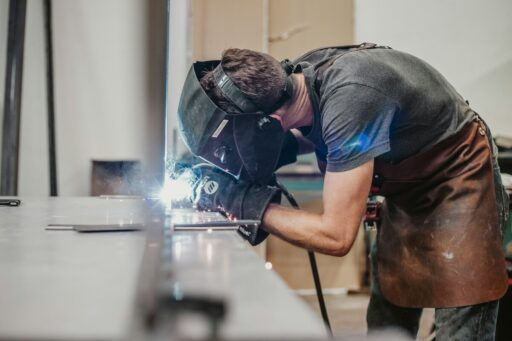
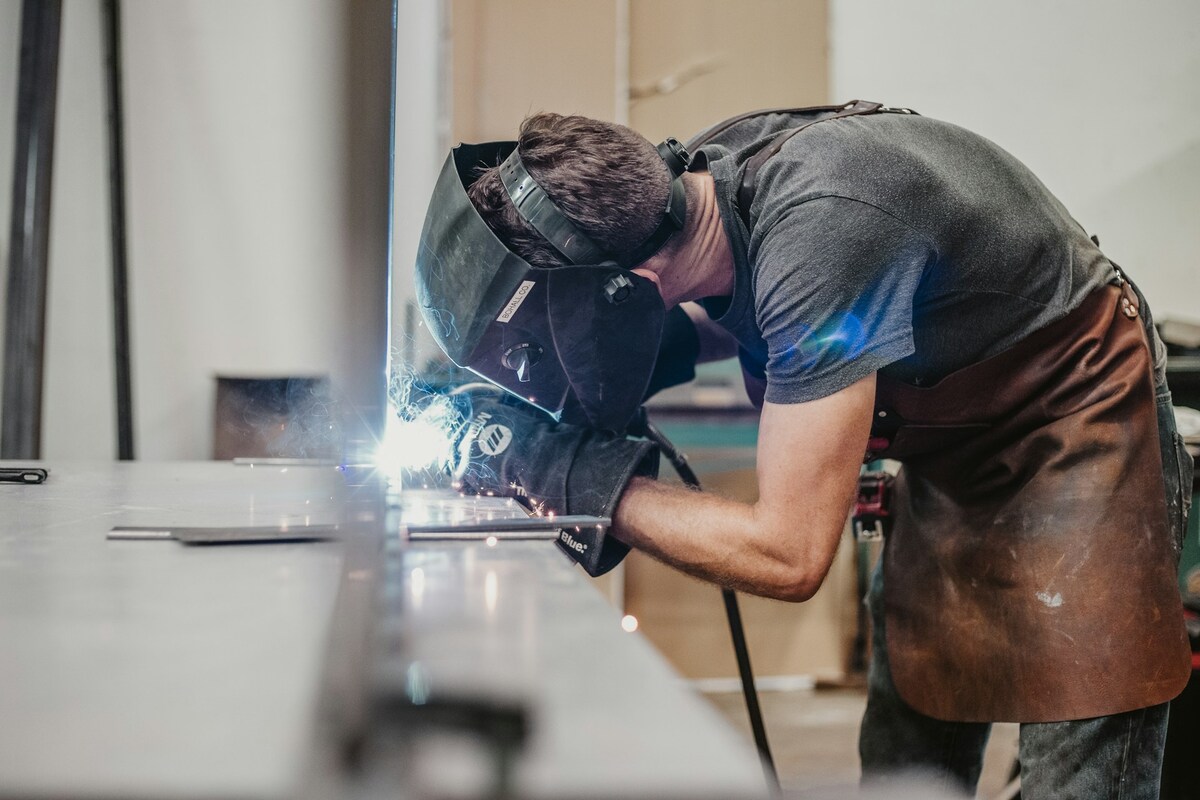
Next, welding is also the easiest trade to learn from training to paid employment. Many welding certificate programs run just three to six months.
Entry-level welding jobs in manufacturing, construction, and fabrication hire beginners with basic certifications.
- MIG welding (Metal Inert Gas) is the most beginner-friendly process and is taught in most short programs.
- TIG welding and stick welding take longer to master but open higher-paying positions.
Welding has one of the largest pay ranges of any trade. A beginning welder in a fabrication shop may earn $18 per hour. A certified pipeline welder with specialized skills can earn $50 per hour or more.
Carpentry, Painting, and Other Beginner-Friendly Trades
Several other trades offer accessible entry points for beginners with no prior experience. When exploring the easiest trade to learn, carpentry, painting, and other beginner-friendly trades are often some of the most accessible starting points.
- Carpentry
Entry-level carpentry work is available with minimal formal training. Many carpenters start as laborers or helpers and learn on the job. Median pay is around $56,000 per year nationally.
- Painting and coating
Painting is one of the lowest-barrier trades to enter. Most painters learn through on-the-job training with no formal schooling required. Median pay is around $47,000 nationally, with commercial painters earning more.
- Landscaping and groundskeeping
Entry-level landscaping requires minimal training. Median pay is lower than other trades at around $37,000, but self-employed landscapers often earn significantly more.
- Plumbing helper
Entry-level plumbing work as a helper or pre-apprentice does not require a license. Full journeyman plumbing takes four to five years, but the early stages are accessible to beginners and pay well above minimum wage.
>>> Read more: How Long Does It Take to Learn How to Drive? Complete Timeline
Easiest Trades to Learn Without a Degree or Prior Experience
All of the trades listed above are accessible without a college degree, which is why many people consider them when looking for the easiest trade to learn. Most do not require prior experience either.
The standard pathway is straightforward. You complete a short certificate program or enter an apprenticeship. You work under a licensed professional while building hours. You earn a certification or license when requirements are met.
Pre-apprenticeship programs are a particularly useful entry point. They are often free or low-cost, run eight to twelve weeks, and prepare candidates for competitive union or non-union apprenticeship programs that pay while you learn.
The U.S. Department of Labor’s apprenticeship finder lists registered programs by trade and location. Most registered apprenticeships pay starting wages from day one, with wages increasing as you progress through the program.

How Long Does It Take to Learn the Easiest Trades?
Training time varies significantly by trade and how you enter the field:
- HVAC certificate: 6 to 12 months. Full journeyman status through an apprenticeship: 3 to 5 years.
- Welding certificate: 3 to 6 months. Associates degree: 1 to 2 years. Specialized certifications: ongoing.
- Carpentry pre-apprenticeship: 8 to 16 weeks. Full apprenticeship: 3 to 4 years.
- Painting pre-apprenticeship: 4 to 8 weeks. Full journeyman: 3 to 4 years through a union program.
>>> Another helpful blog: How Long Does It Take to Learn Sign Language? A Complete Guide
FAQs
What Is the Easiest Trade to Learn for Someone With No Experience?
HVAC helper and welding helper positions are the most accessible for complete beginners. Both trades have certificate programs that run six months or less and accept students with no prior background.
Which Trade Is the Easiest to Learn and Has the Most Job Demand?
HVAC has the strongest combination of accessibility and demand. The BLS projects consistent growth in HVAC employment through the 2030s, driven by aging systems, new construction, and the transition to heat pump technology. Electricians are also in extremely high demand but require a longer apprenticeship.
What Is the Easiest Trade to Learn From Home or Online?
No skilled trade can be fully learned online. Hands-on practice is essential for all of them. However, the theory and classroom portions of HVAC, welding, and electrical programs are increasingly available online through community colleges and platforms like Penn Foster or Ashworth College.
Is There an Easiest Trade to Learn That Pays Six Figures?
Yes. Pipeline welding, elevator installation and repair, and electrical work all have strong six-figure earning potential for experienced tradespeople. Pipeline welding is the fastest of these to reach six figures.
Experienced pipeline welders with certifications for specific processes earn $70,000 to $130,000 or more depending on location and project type. Elevator installers and repairers earn a median of over $99,000 nationally according to BLS data.
Final Verdict
The easiest trade to learn with the best combination of training speed, pay, and job demand is HVAC. Welding is the fastest path from a certificate to a paycheck. Carpentry and painting offer accessible entry points with no experience required.
None of these trades require a four-year degree. All of them have clear apprenticeship or certificate pathways. And all of them are in demand in most U.S. markets right now.