
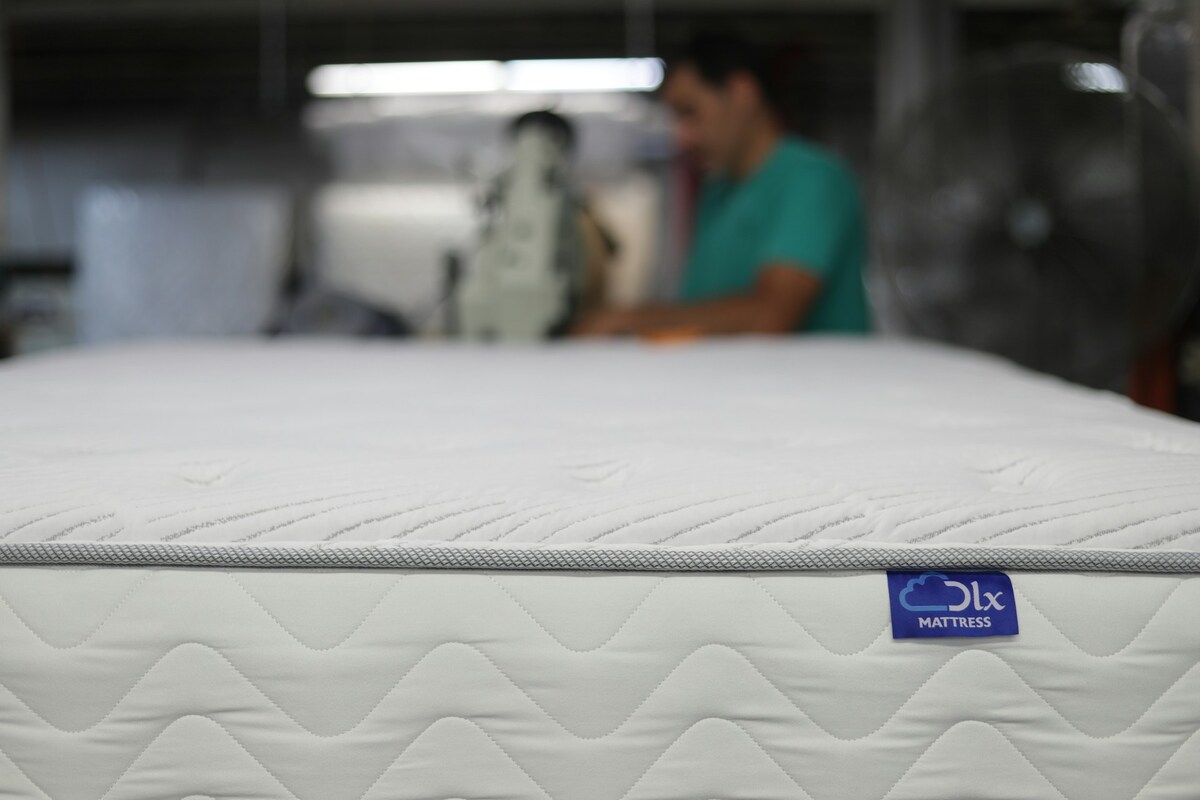

Knowing how to choose a mattress means understanding a few specific factors before you look at a single product: your sleep position, the material types available, and what the trial period and warranty actually protect you against.
This guide covers all of it, including special cases for children and crib mattresses.
How to Choose a Mattress: Key Factors to Consider First
Three variables shape almost every mattress decision. Getting clear on these before comparing products saves time and avoids the common mistake of choosing based on price alone.
Sleep Position and Firmness
Sleep position is the most reliable starting point because it directly determines the firmness level your spine needs for proper alignment.
- Side sleepers need softer surfaces that allow the hip and shoulder to sink in and keep the spine level.
- Back sleepers need medium to medium-firm support to prevent the lower back from arching.
- Stomach sleepers need firm surfaces to prevent the hips from sinking out of alignment.
Mattress Types Explained: Memory Foam, Hybrid, Innerspring, and Latex
Each material type has a different feel, heat retention profile, and durability range.
| Mattress Type | Key Features | Best For |
| Memory Foam | Closely contours to the body, strong pressure relief, excellent motion isolation | Side sleepers, couples |
| Hybrid | Combines foam comfort layers with innerspring support | Balanced comfort and support |
| Innerspring | Traditional feel, breathable design, cooler sleep surface | Stomach sleepers, hot sleepers |
| Latex | Responsive feel, naturally cooling, highly durable | Eco-conscious shoppers, combination sleepers |
Budget, Trial Periods, and Warranty Information
A mattress purchase is one of the few large purchases where you cannot fully evaluate the product in the store.
A 10-minute lie-down in a showroom tells you almost nothing about how the mattress will feel after three weeks of sleeping on it. Trial periods, typically 90 to 365 nights, exist to address this.
>>> Read more: How to Clean a Dishwasher and Keep It Running Like New
How to Choose the Right Mattress Firmness
When learning how to choose a mattress, understanding firmness is essential. Firmness is typically described on a scale from 1 (very soft) to 10 (very firm), though labeling can vary between brands.
Knowing how each firmness level actually feels in practice is often more useful than the number itself.
Soft vs Medium vs Firm Mattresses
| Firmness Level | Feel & Support | Best For |
| Soft (1–3) | Deep sinkage with strong pressure relief | Lightweight side sleepers |
| Medium (4–6) | Balanced cushioning and support | Most sleepers and body types |
| Firm (7–9) | Minimal sinkage with stronger support | Stomach sleepers and heavier back sleepers |
Best Firmness for Different Sleeping Positions
Your sleeping position plays a major role in determining how to choose a mattress firmness will feel most comfortable and supportive over time.
- Side Sleepers: Soft to Medium-Soft (3–5)
Side sleepers usually need extra cushioning around the shoulders and hips since these areas press more deeply into the mattress. A softer surface helps relieve pressure points while keeping the spine properly aligned throughout the night.
- Back Sleepers: Medium to Medium-Firm (5–7)
Back sleepers generally benefit from a balanced feel that supports the natural curve of the lower back without allowing the hips to sink too far. Medium-firm mattresses often provide the best combination of comfort and spinal support.
- Stomach Sleepers: Firm (7–9)
Stomach sleepers need a firmer mattress to keep the hips elevated and prevent the midsection from sinking into the bed. This helps reduce strain on the lower back and supports healthier spinal alignment.
- Combination Sleepers: Medium (5–6)
People who change positions during the night usually prefer a medium-feel mattress that adapts well to different sleeping styles. It offers enough cushioning for side sleeping while still maintaining support for back or stomach positions.
- Couples With Different Preferences: Medium or Dual-Firmness Mattresses
Couples often have different comfort needs based on body type and sleeping position. A medium mattress can provide a practical middle ground, while dual-firmness models allow each partner to customize their side of the bed.
How to Choose a Mattress for a Child
Children’s mattresses require different considerations than adult mattresses, primarily around support for growing spines, durability for active use, and materials that are safe for prolonged skin contact.
Support and Firmness by Age
Toddlers transitioning from a crib need a firm to medium-firm mattress. Their skeletal development benefits from firmer support rather than the pressure relief prioritized for adults.
Children between 5 and 12 can move toward medium firmness as their weight and sleep positions become more defined. Teenagers can be treated similarly to adults, with position-based firmness selection.
Mattress Size and Safety Features
A twin or twin XL is the standard starting size for most children. Twin XL provides additional length for taller children and can serve through the teenage years.
Look for mattresses with certifications such as CertiPUR-US for foam or GOLS for latex, which confirm low VOC emissions and the absence of harmful chemicals. Waterproof covers are practically essential for younger children.
When to Replace a Child’s Mattress
Replace when visible sagging appears, when the child begins complaining of back discomfort in the morning, or when the size is no longer appropriate for their height. Most children’s mattresses last five to eight years with appropriate use and a waterproof cover.

How to Choose a Crib Mattress
Crib mattresses are subject to specific safety standards that adult and children’s mattresses are not. The stakes are higher in an infant sleep environment, and the selection criteria reflect that.
- Safety standards come first
In the United States, crib mattresses must meet ASTM International and Consumer Product Safety Commission requirements for firmness, size, and flammability.
A firm crib mattress is not a preference, it is a safety requirement. Soft surfaces in a crib create a suffocation risk for infants who cannot reposition themselves.
- Foam vs innerspring in a crib mattress is largely a matter of weight and budget
Foam crib mattresses are lighter and easier to handle when changing sheets. Innerspring crib mattresses are more durable and tend to hold their firmness longer. Both can be safe and appropriate if they meet the required standards.
- Size matters for fit
A crib mattress must fit snugly within the crib with no gap larger than two fingers between the mattress edge and the crib frame.
Standard crib mattress dimensions are 28 by 52 inches. Verify the dimensions against your specific crib model before purchasing, as non-standard cribs require non-standard mattresses.
How to Choose a Mattress Protector
The right mattress protector should add protection without making your bed less comfortable.
- Choose waterproof protection for spills, pets, or heavy sweating.
- Pick breathable materials like cotton, bamboo, or Tencel for cooler sleep.
- Check the mattress depth and size for a secure fit.
- Use a fitted protector for convenience or a zippered encasement for full allergy and bed bug protection.
- Look for machine-washable designs for easy cleaning.
- Avoid protectors that feel stiff or noisy if comfort is a priority.
FAQs
How Often Should You Replace a Mattress?
Most mattresses should be replaced every 7–10 years. Earlier replacement may be needed if you notice sagging, poor support, increased allergies, or new back and joint pain.
What Kind of Mattress Is Best for Lupus Patients?
A medium-soft to medium mattress with memory foam or latex is often best for lupus patients because it helps relieve pressure on sensitive joints and reduces discomfort during sleep.
Which Mattress Is Best for Parkinson’s?
People with Parkinson’s often benefit from responsive hybrid or innerspring mattresses that make movement and repositioning easier. Adjustable beds may also improve comfort and mobility.
What Type of Mattress Is Best for Spinal Stenosis?
A medium-firm mattress is usually recommended for spinal stenosis because it helps keep the spine in a neutral position while reducing pressure on the lower back.
Final Thoughts
How to choose a mattress becomes straightforward once you prioritize the right variables: sleep position first, then material type, then firmness level, then trial period and warranty. Everything else, brand, aesthetic, marketing claims, follows from those four.
For children and infants, the criteria shift toward safety, developmental support, and appropriate sizing.
For people managing chronic conditions, the focus moves to pressure relief and mobility support. In every case, the right mattress is the one matched to the specific sleeper, not to a generic recommendation.