


How to trim a beard involves more than running a trimmer across the surface. The guard choice, the direction you cut, how you handle the neckline, and the order of operations all affect the result. This guide covers each step in the right sequence so you finish with an even, clean-looking beard regardless of its length.
Beard Trimming Tools You Need
Using the right tools for each task prevents uneven results and reduces the chance of cutting too much in one pass. The table below covers the full setup for how to trim a beard.
| Tool | Purpose |
|---|---|
| Beard trimmer with guards | Main length trimming |
| Barber scissors | Precision work on long beards |
| Fine-tooth comb | Lift and separate hairs before trimming |
| Beard brush | Train hair direction, remove loose hairs |
| Detail trimmer / liner | Clean up neckline and cheek line |
| Handheld mirror | Check sides and neckline from all angles |
| Beard oil or balm | Condition after trimming |
How to Trim a Beard Properly
The trimming process has a clear sequence, and following it matters. Skipping steps, particularly the prep steps, is the main reason people end up with patches or an uneven length after trimming.
Step 1: Wash, Dry, and Comb Your Beard Before Trimming
Start with a clean, dry beard. Washing removes product buildup, skin oils, and loose hairs that would otherwise affect how the trimmer moves through the beard.
Dry the beard thoroughly before picking up any tool, because wet hair hangs longer than dry hair and causes the trimmer to cut more than intended.
Step 2: Choose the Right Guard Length
Before learning how to trim a beard properly, choosing the correct guard length is one of the most important steps for getting an even and natural-looking result.
A rough guide to common guard sizes:
- Guard 1 (3mm) leaves stubble
- Guard 2 (6mm) is short beard territory
- Guard 3 to 4 (9 to 12mm) is a medium, well-defined beard
- Guard 5 and above (15mm+) suits longer styles that still benefit from maintenance trimming.
The cheek and jaw area usually get the same guard as the body of the beard. The neckline is handled separately without a guard.
Step 3: Trim in the Right Direction for an Even Finish
Move the trimmer against the direction of hair growth for the most efficient cut.
- On the cheeks, this usually means moving upward or across.
- On the chin and below, move upward from the neck.
After the main trim, run the trimmer with the grain for a finishing pass to smooth any lines left by the first pass.
How to Trim a Beard Neckline
The neckline is the detail that separates a trimmed beard from a groomed one. An undefined or too-high neckline makes even a well-maintained beard look sloppy. This section gets its own attention because most guides underexplain it.
How to Shape the Neckline Correctly
The neckline should follow a curve that runs from behind each ear, down and around to about 2 cm above the Adam’s apple at its lowest point.
A common mistake is setting the neckline too high, which shortens the visual length of the beard and creates an unnatural floating appearance.
How to Fade Below the Neckline Naturally
A hard line at the neckline looks clean in person but harsh in photos and at close range. A fade transitions the beard into the skin naturally and looks better at all distances.
After defining the neckline with no guard, attach a guard one size below your main guard and run it just above the hard neckline line. This blends the defined edge into the beard body above it.
One pass with this shorter guard is usually enough. The result is a gradual fade rather than an abrupt line.
>>> You might be interested in: How to Remove a Stripped Screw: Method That Actually Works
How to Trim Different Beard Lengths
If you’re learning how to trim a beard, the right approach can vary depending on whether you keep it short, medium, or long. Length changes the technique more than most people realize. What works well on a short beard can remove too much on a longer one.
How to Trim a Short Beard Evenly
Short beards, guard 1 to 3 range, need consistent pressure and speed across the trimmer. Inconsistent pressure against the skin changes the effective cutting depth and creates patches. Use slow, overlapping passes and comb frequently between passes to check the result as you go.
How to Trim a Long Beard Without Losing Shape
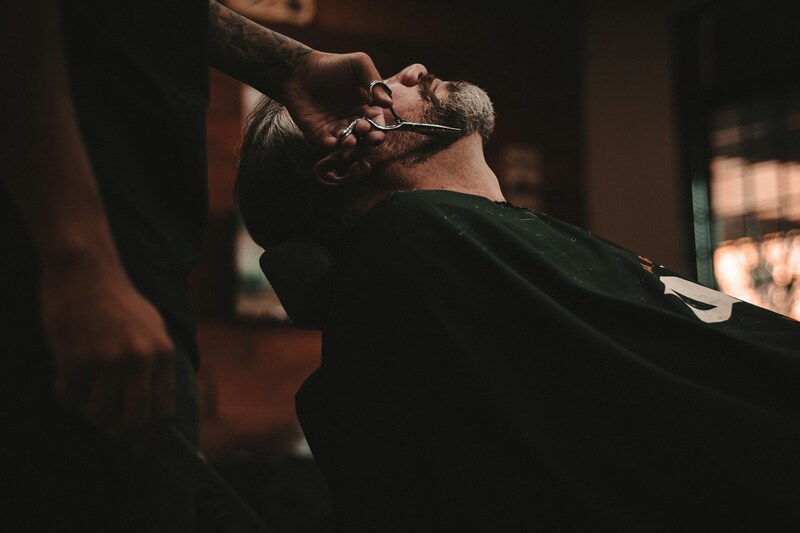
Long beards need scissors more than trimmers for maintaining shape without losing length.
Use the comb-and-cut method: comb a section of beard upward away from the face and trim the hairs that extend beyond the comb teeth. This removes split ends and stragglers without dramatically reducing length.
Common Beard Trimming Mistakes to Avoid
These four mistakes appear consistently across all beard lengths and styles. Each one is easily avoided once you know to look for it.
- Trimming a wet beard: Hair looks longer wet than dry, so the guard removes less than you think. What looks like a light trim when wet turns out shorter once the beard dries.
- Cutting too much at once: Start with a longer guard than you think you need. Remove length gradually across multiple sessions rather than committing to a short length in one pass.
- Using the wrong guard length: Misreading guard sizes is one of the most common first-time mistakes.
- Ignoring the neckline and cheek line: The neckline especially needs consistent attention. A beard that is trimmed evenly on the body but has a neglected or asymmetrical neckline still looks ungroomed.
FAQs
Should You Trim Your Beard Wet or Dry?
Always trim dry. Wet hair is heavier and hangs lower than dry hair, which means the trimmer cuts less than you think. When the beard dries, it sits shorter than expected. Wash and dry the beard before trimming, then comb it into its natural shape before picking up the trimmer.
How Do You Fix an Uneven Beard After Trimming?
If one side is shorter than the other, match the longer side down to the shorter one rather than trying to grow the shorter side back. Use the same guard on both sides and work in the same direction. A handheld mirror helps catch asymmetry early before the difference becomes too large to fix easily.
What Is the Best Guard Size for Trimming a Beard?
There is no universal best size since it depends on the beard style and the look you are after.
- For a clean short beard, guard 2 to 3 (6 to 9mm) is a common starting point.
- For a medium defined beard, guard 3 to 5 works well.
If you are new to trimming, always start one guard size higher than your target and work down gradually.
What Is the 90 Day Beard Rule?
The 90 day beard rule is the idea that you should not trim or shape your beard for the first 90 days of growth. The goal is to allow the beard to reach a length where you can accurately assess its natural growth pattern, density, and where patches occur before committing to a style.
Do I Trim My Beard Downwards or Upwards?
Both, at different stages. Trim against the grain first for the most efficient cut: upward on the cheeks and chin area. After the main pass, run the trimmer with the grain for a finishing pass that smooths any visible lines. On the neckline, trim upward toward the chin to maintain control over the line you are creating.
Final Words
How to trim a beard comes down to three fundamentals: starting dry and combed, choosing the right guard, and giving the neckline the attention it deserves. Everything else refines from there.
Short beards need consistency and slow passes. Long beards need scissors for length maintenance and the trimmer only for edges. And no matter the length, the neckline check at the end of every session is what separates a trimmed beard from a groomed one.