

The easiest instrument to learn is the one that lets you make a real, recognizable sound within your first session and keeps rewarding you through the first few weeks before frustration can set in. That early momentum is what separates instruments that get played from instruments that gather dust.
This guide covers 8 options with specific details, honest timelines, and the habits that accelerate progress on any of them.
What Is the Easiest Instrument to Learn? 8 Options for Beginners
If you’re exploring music for the first time, you might be wondering what the easiest instrument is to learn. So, let’s take a look at some beginner-friendly options.
1. Ukulele
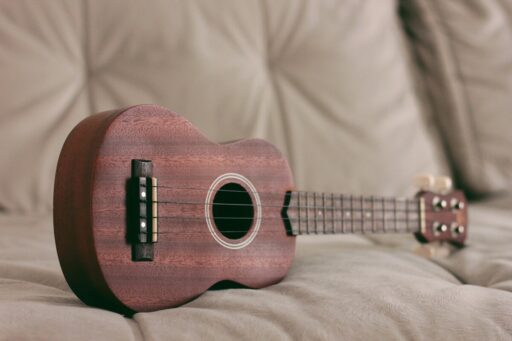
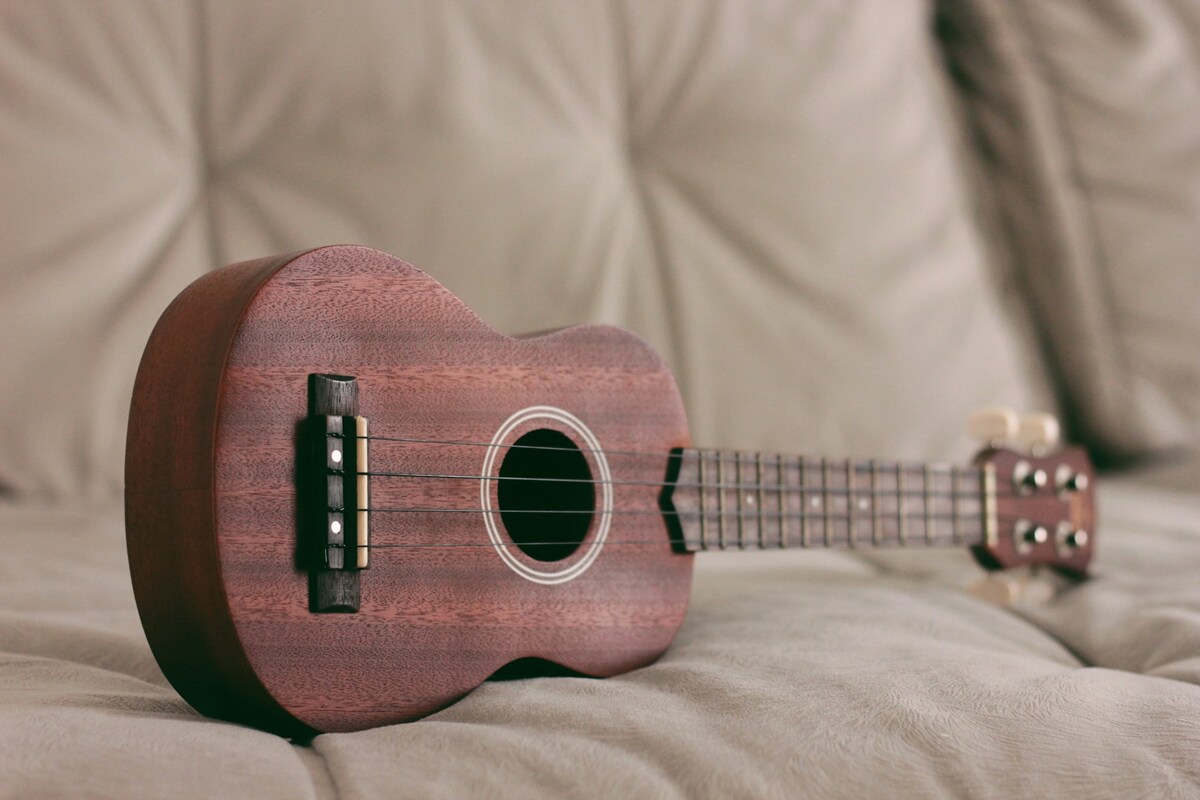
The ukulele is one of the easiest string instruments to learn. It has four nylon strings instead of six steel ones, a shorter neck for easier reach.
And just four chords, including C, G, Am, F, can play hundreds of songs. Most beginners can strum their first chord in about 30 minutes.
2. Keyboard or Digital Piano
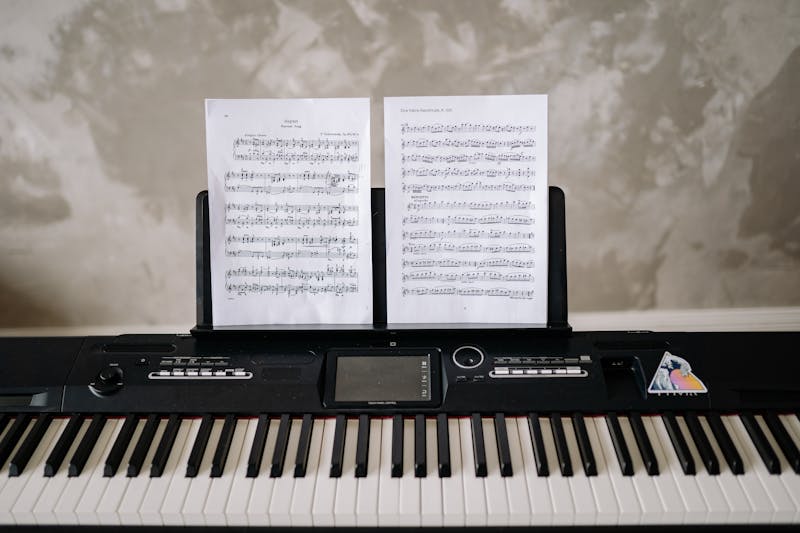
A keyboard is one of the easiest instruments to learn because producing a sound requires no technique. You press a key and it plays. There is no embouchure to develop, no bow to control, no finger calluses required.
The visual layout also makes music theory immediately intuitive: scales, intervals, and chords are laid out spatially in front of you, which accelerates understanding of how music works.
3. Harmonica
The harmonica is often considered the easiest instrument to learn because you produce sound simply by breathing. No finger positioning required to get started. A $15 to $30 Hohner Special 20 or Lee Oskar diatonic harmonica in the key of C is the standard beginner recommendation.
Within the first session, most players can produce individual notes. Within one to two weeks of regular practice, simple melodies and basic folk or blues phrases are within reach.
4. Recorder
The recorder is often seen as a children’s instrument, but it’s actually one of the fastest to learn at any age. A basic soprano recorder is inexpensive, usually under $15, and produces a clear pitch with correct fingering right away.
Most beginners can play a simple melody in their first session. With just seven finger holes and a range of about two octaves, it’s very beginner-friendly.
5. Kalimba (Thumb Piano)
The kalimba stands out as an easiest instrument to learn, especially for complete beginners. This small African instrument features metal tines arranged in a fan shape, played with your thumbs.
Many beginner models come with labeled notes, cost around $15 to $30, and don’t require any music theory. You can play melodies by following the labels. Most new players produce their first recognizable tune within minutes of picking one up.
6. Bass Guitar
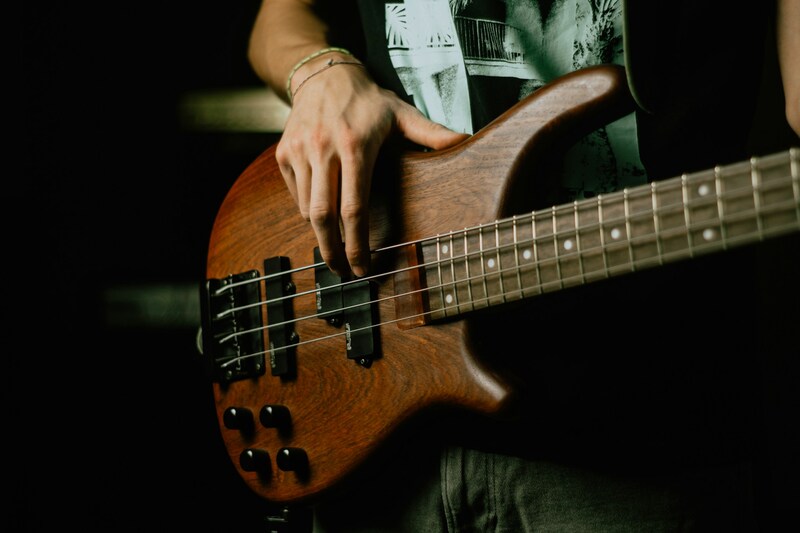
Bass guitar is one of the most overlooked beginner-friendly instruments. It has only four strings (versus six on a standard guitar), lower string tension that is easier on fingers. And beginner bass lines in rock and pop are typically far simpler than beginner guitar parts.
Many iconic bass lines, such as those in ‘Seven Nation Army’ or ‘Come As You Are’, can be learned in a single session with basic instruction.
>>> Related blog: How Long Does It Take to Learn Guitar: #1 Realistic Timeline
7. Bongos and Hand Percussion
For learners drawn to rhythm rather than melody, bongos and hand drums are among the most accessible instruments available. There is no pitch to worry about. The entire focus is rhythm and feel.
Basic bongo technique involves striking different areas of the drum head with fingers, knuckles, and palms in specific ways, and simple patterns that sound musical are achievable within a few hours of following YouTube instruction.
8. Autoharp
The autoharp is a stringed instrument that uses button-activated chord bars. You press a button to damp all strings except those in the chord, then strum. This means you can play full chords from the very first attempt without learning individual finger positions.
A 15-chord autoharp covers most folk, country, and pop chord progressions and costs around $80 to $150 for a beginner model.
How Long Does It Take to Learn an Easy Instrument?
How long does it take to learn any easiest instrument to learn on this list depends on daily practice time and your definition of ‘learned.’
Here are realistic benchmarks at 15 to 30 minutes of daily practice:
| Instrument | First song / melody | First song/melody | Comfortable with… |
|---|---|---|---|
| Ukulele | 1–2 weeks | 2–3 months | Most pop chord structures (~6 months) |
| Keyboard | First session | 1–3 months (both hands songs) | Intermediate pieces (1–2 years) |
| Harmonica | 1–2 weeks | 2–3 months (blues scale & technique) | Improvisation (6–12 months) |
| Recorder | First session | 2–4 weeks (basic repertoire) | Intermediate pieces (2–3 months) |
| Kalimba | First session | 2–4 weeks | Simple arrangements |
| Bass guitar | First session | 1–2 months | Beginner rock & pop lines |
| Bongos | First session | 1–3 months | Intermediate rhythms |
| Autoharp | First session | 4–6 weeks | 10–15 songs/progress milestone |
>>> Read more: How to Learn Calligraphy: Simple Steps for Beautiful Writing
Tips to Learn Any Instrument Faster as a Beginner
These habits produce faster progress for new players on any instrument:
- Learn songs you actually love from day one
Playing music you enjoy keeps motivation high and makes practice feel less like a chore. Instead of forcing “beginner songs,” pick songs you already like and simplify them (slower tempo, fewer chords, or basic melody).
- Use a metronome or drum track early on
Timing is one of the most overlooked beginner skills. Practicing with a metronome or backing track trains you to stay in rhythm, which makes everything you play sound more polished.
- Record yourself weekly
Recording helps you hear mistakes that are easy to miss while playing, such as timing issues or unclear notes. It also lets you track your progress over time, which can be very motivating when you feel stuck or unsure if you’re improving.
- Isolate the hardest parts instead of replaying the whole song
When you hit a difficult section, don’t just restart the entire piece. Break that section down into smaller parts, practice it slowly, and repeat it until it feels natural. This targeted practice saves time and leads to faster improvement.
- Set a clear song goal with a deadline
Having a specific goal (e.g., “learn this song in 2 weeks”) gives your practice structure and direction. It helps you avoid random practice sessions and keeps you focused on measurable progress rather than just playing casually.
FAQs
What Is the Easiest Instrument to Learn at Home Without a Teacher?
The ukulele, kalimba, and harmonica are the best options for self-teaching at home without a teacher. All three have large communities of free YouTube tutorials structured for absolute beginners, require no special technique to produce a sound, and are small enough to play anywhere.
What’s the Easiest Instrument to Learn if You Want to Sing Along?
The ukulele and autoharp are the best options for singing along. Both are chord-based strumming instruments that free your voice to carry the melody while your hands handle the accompaniment.
Is Guitar or Ukulele the Easiest Instrument to Learn?
The ukulele is easier to learn than guitar for most beginners. It has four strings versus guitar’s six, nylon strings that are gentler on fingertips versus steel strings, a shorter neck that reduces stretch, and its core chord shapes require fewer finger positions than the equivalent guitar chords.
What Is the Easiest Instrument to Learn for Adults?
The easiest instrument to learn for adults is the ukulele for most people, or the keyboard for those who want to understand music theory alongside playing. Adults often have more patience for structured learning than children but less daily practice time, which makes both ideal.
Final Thoughts
The easiest instrument to learn is the one that fits your musical interests and gives you early wins that keep you motivated. The ukulele is the top pick for most beginners – low cost, fast results, and a huge repertoire.
For adults who also want to understand music theory, the keyboard is the clearest tool. For minimal investment and maximum portability, the harmonica and kalimba deliver real musical satisfaction within days.