


Is Korean hard to learn is often the first question that comes up after watching a K-drama, listening to K-pop, or thinking about learning a new language with a unique culture. At first, it felt exciting.
The writing looks different, the sound feels unfamiliar, and everything seems both interesting and intimidating at the same time. Let’s break it down step by step so you can understand what to expect.
1. Is Korean Hard to Learn?
The honest answer is: it depends on how you approach it. Korean is not inherently impossible, but it is different from many languages learners are familiar with.
This difference creates an initial barrier. However, once you understand how the system works, the difficulty becomes more manageable. In other words, Korean seems difficult at the beginning due to unfamiliarity, not because it is impossible to learn.

2. How Hard Is It to Learn Korean?
Korean can feel challenging at first, but it becomes more manageable once you understand its patterns. Many learners asking is Korean hard to learn quickly realize that the difficulty comes from unfamiliar structures, not complexity itself.
The Korean Alphabet
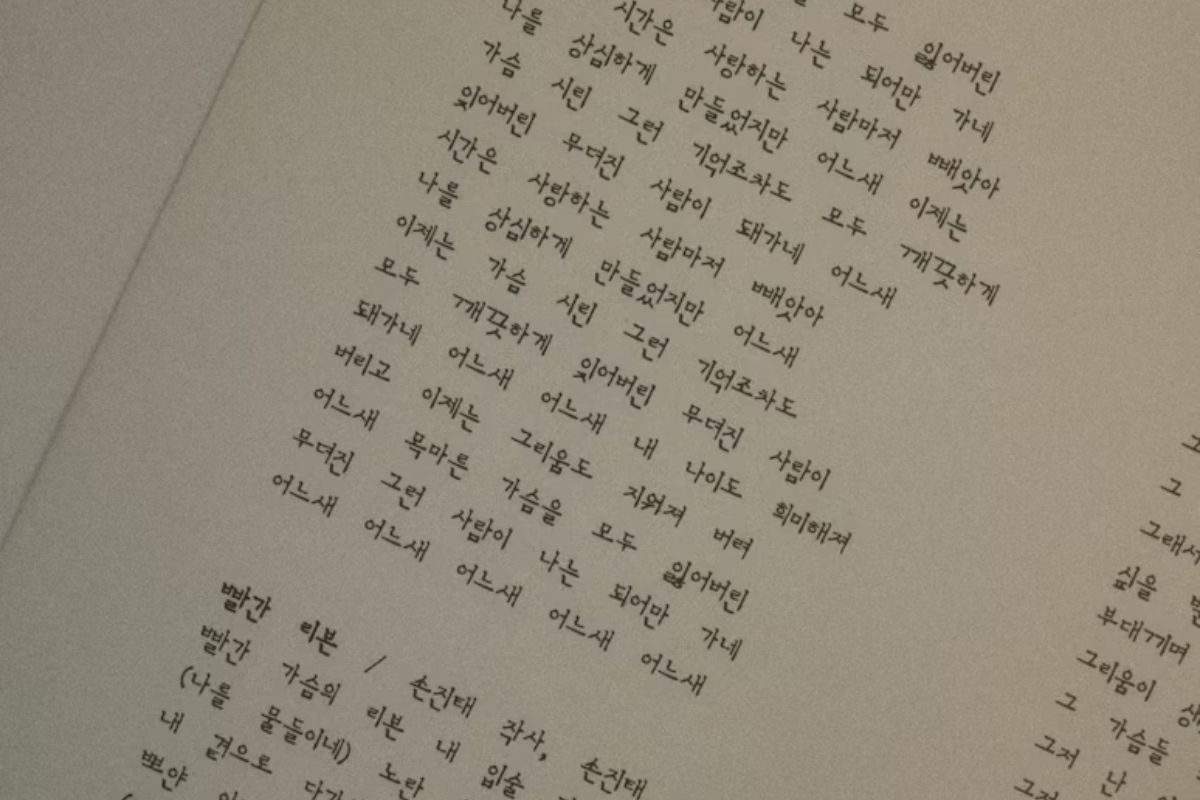
Hangul, the Korean alphabet, is surprisingly simple. You can learn to read it in a few hours or days. This is why many learners are surprised when asking how hard is it to learn Korean. The writing system is actually one of the easiest parts.
The challenge is not recognizing letters, but combining them into sounds and words naturally.
Grammar Structure
Korean grammar is very different from English. The sentence order often follows subject-object-verb instead of subject-verb-object.
This shift requires you to think differently. For many learners, this is where is it hard to learn Korean becomes a real concern, because it changes how you form sentences from the ground up.
Pronunciation and Sound Changes
Korean pronunciation includes subtle sound changes that depend on word combinations. Some sounds may feel unfamiliar at first, especially for English speakers.
However, with practice and listening, patterns become clearer. This shows that how hard is Korean to learn is often tied to exposure rather than complexity alone.
Honorifics and Formality Levels
Korean uses different speech levels depending on context and relationships. This adds another layer to communication. While this may seem complex, it follows clear social rules. Once understood, it becomes predictable rather than confusing.
>>> Read more: Best Way to Learn German: A Practical Path That Works 2026
3. Is Korean Hard to Learn for English Speakers?
For English speakers, Korean can feel quite different at the beginning due to its unique grammar, limited shared vocabulary, and distinct writing system. These differences often make the early stage seem more challenging than expected.
However, this difficulty does not last. Once you build a foundation in the basics, progress becomes more steady and predictable. In many cases, the challenge is front-loaded, hard at first, then gradually easier as patterns start to make sense.
4. How Hard Is Korean to Learn Over Time
When looking at progress over time, is Korean hard to learn depends on the stage you are in. It often feels challenging at the beginning, then becomes more manageable as patterns start to connect. Here’s how the learning curve typically unfolds.
Early Stage: Faster than expected
In the beginning, progress can feel surprisingly quick. You learn Hangul, basic words, and simple phrases. This stage often makes learners feel confident and motivated.
Middle stage: Slower progress
As you move forward, complexity increases. Grammar, vocabulary, and sentence structure require more effort. This is where many learners feel stuck and question again, is Korean hard to learn.
Advanced stage: Deeper understanding
At advanced levels, learning becomes more about nuance than basics. You refine expression, understand cultural context, and communicate more naturally. Progress continues, but in a deeper, more detailed way.
5. Why Korean Feels Hard at First but Easier Later
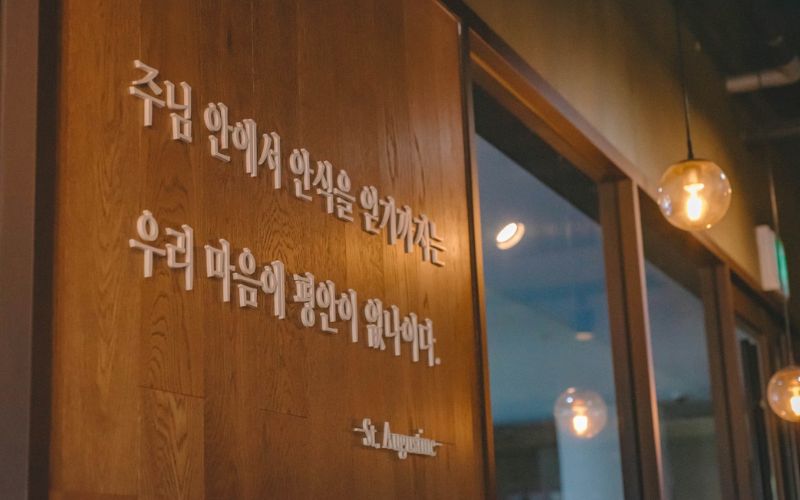
At first, is Korean hard to learn often feels like a clear “yes” because everything is unfamiliar. But over time, as patterns repeat and systems become clearer, it starts to feel much easier. Here’s why that shift happens.
Unfamiliar system at the beginning
At first, everything feels new Hangul, sentence structure, and pronunciation. This creates a heavy cognitive load because your brain is processing multiple unfamiliar elements at once.
Pattern recognition over time
Korean is highly structured, even if it does not seem that way at first. As you learn more, you start noticing repeating grammar patterns and predictable sentence forms. This shift from memorization to recognition is what makes the language feel easier with time.
Improved listening and pronunciation
Is Korean hard to learn? In the early stage, Korean sounds can feel difficult to distinguish. But with consistent exposure, your ear adapts. You begin to recognize sounds and natural speech flow, which makes both understanding and speaking smoother.
Confidence through small progress
Early struggles often hide small improvements. As you build vocabulary and form simple sentences, confidence increases. This emotional shift plays a big role, because once you feel progress, learning becomes more enjoyable and sustainable.
>>> Read more: Most Useful Languages to Learn: Smart Choices That Pay Off
6. FAQs
How long does it take to learn Korean?
Basic conversation can take around 6-12 months with consistent practice. Fluency may take several years depending on your learning intensity.
Is it hard to learn Korean without a teacher?
It is possible to learn independently, but guidance can speed up progress. Structured learning helps reduce confusion and keeps you on track.
How much time does it take to become proficient in Korean?
It typically takes about 1.5 to 2 years to become proficient in Korean with consistent study, though basic conversational skills can develop within 6-12 months.
How do you count from 1 to 10 in Korean?
하나, 둘, 셋, 넷, 다섯, 여섯, 일곱, 여덟, 아홉, 열. These are native Korean numbers commonly used in everyday situations.
What is the #1 hardest language?
There is no single hardest language. Difficulty depends on your native language and learning context. Languages like Chinese, Arabic, and Japanese are often considered challenging.
How do I say “hi” in South Korean?
You can say 안녕하세요 (annyeonghaseyo) for a polite greeting. It is commonly used in everyday conversations.
Conclusion
Learning Korean starts with curiosity, grows through challenge, and becomes manageable through pattern recognition. Stay consistent, focus on patterns, and allow time for the system to make sense. That is how is Korean hard to learn turns from a concern into a confident yes-you can do it.