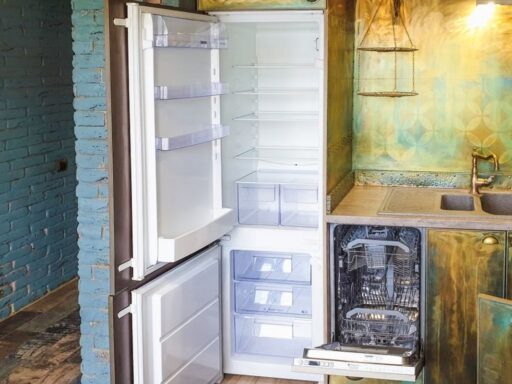

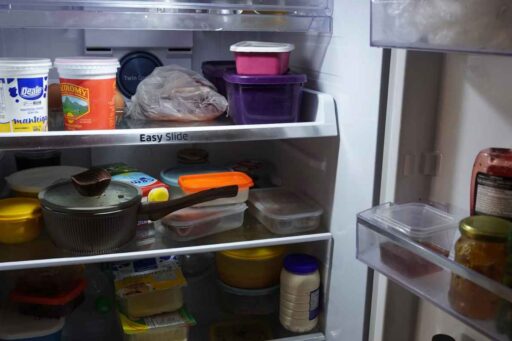
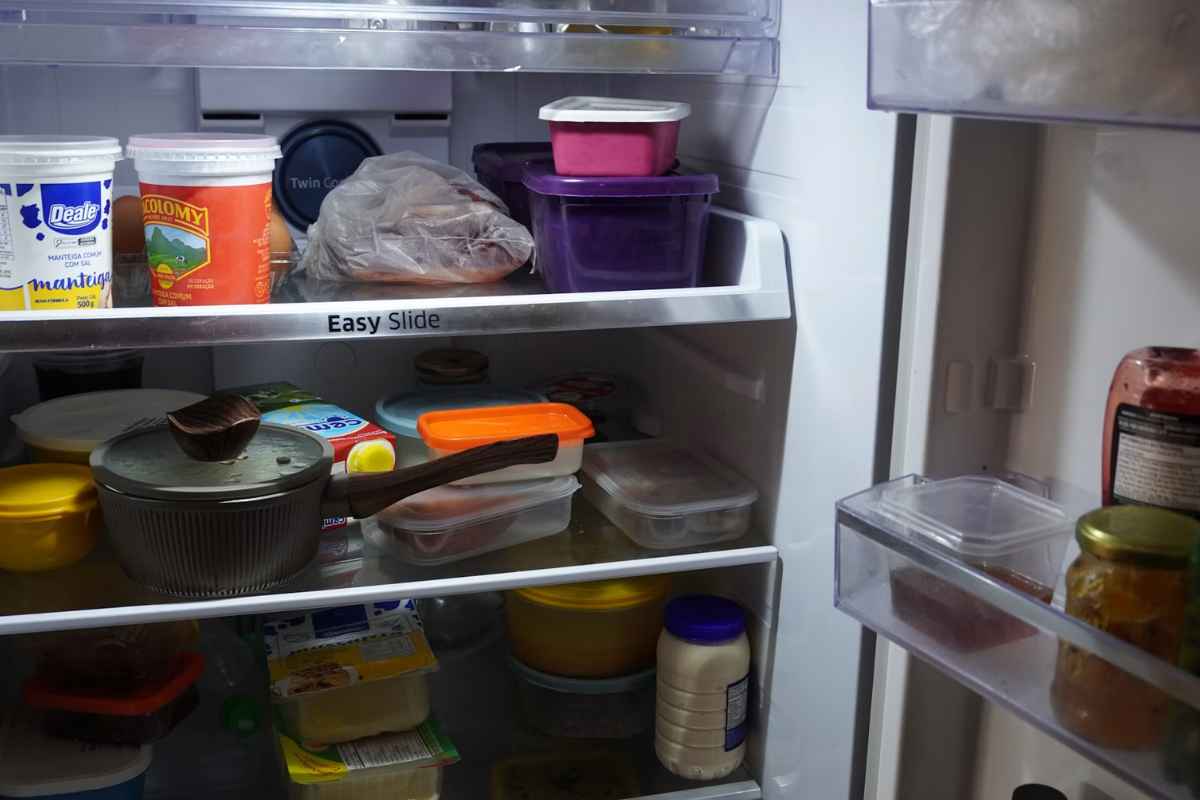

If you’re wondering how to remove odors from fridge effectively, the solution is usually more than simply placing a box of baking soda inside. By finding the source of the smell and cleaning the right areas, you can keep your refrigerator fresh for much longer.
Let’s walk through the steps that actually work.
What Causes Bad Odors in a Refrigerator?
Before learning how to remove odors from fridge, it’s helpful to understand where those smells come from. In many cases, the odor is caused by more than one issue.
- Expired or spoiled food: Forgotten leftovers, dairy products, or meat can quickly produce strong odors.
- Food spills and leaks: Even a small spill hidden beneath a shelf can create unpleasant smells over time.
- Forgotten produce in drawers: Fruits and vegetables that spoil inside crisper drawers often go unnoticed until they begin to rot.
- Dirty shelves, bins, or the drain pan: Moisture mixed with food residue encourages bacteria and mold growth.
- Strong-smelling foods stored improperly: Foods like onions, seafood, garlic, or certain cheeses can spread odors if they’re not sealed tightly.
Identifying the source first makes removing odors from the fridge much easier and prevents the smell from returning.
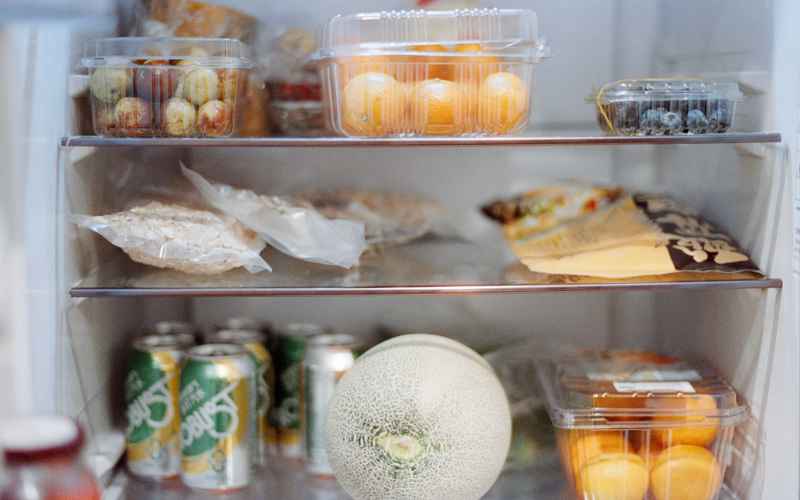
How to Remove Odors From Fridge: Full Step-by-Step Guide
Removing fridge odors works best when you clean the entire interior rather than masking the smell. The steps below cover the main areas where spoiled food, spills, and trapped odors tend to hide.
Step 1: Empty the refrigerator
Remove everything from the refrigerator, including food stored in drawers and door compartments. Check expiration dates and inspect each item carefully. If something smells questionable or has visible mold, throw it away instead of putting it back.
Step 2: Clean shelves, drawers, and interior surfaces
Take out removable shelves and drawers, then wash them with warm water and mild dish soap.
Next, wipe the refrigerator walls using a mixture of warm water and baking soda. This helps lift food residue while neutralizing lingering odors without leaving behind a strong scent.
Before returning any parts, dry everything completely with a clean towel. Moisture left behind can encourage mildew and new odors.
Step 3: Check hidden areas
When learning how to remove odors from fridge, don’t forget to check the spots that are easy to overlook, as lingering smells often hide there.
Inspect:
- Door seals (gaskets)
- Crisper drawers
- Drain hole
Drip pan, if your refrigerator model has one
Step 4: Deodorize the refrigerator
Once the refrigerator is clean, it’s time to absorb any remaining odor. An open box of baking soda remains one of the most effective choices. You can also use activated charcoal, coffee grounds, or commercial refrigerator odor absorbers.
Step 5: Return food and organize properly
Before putting food back, wipe containers if needed and discard anything nearing expiration. Store leftovers in airtight containers and separate foods with strong aromas from other items. Better organization also makes it easier to spot food before it spoils again.
If you’re also searching how to remove odors from fridge freezer, the same cleaning process works well for freezer compartments after removing ice buildup and spoiled food.
>>> Read more: How to Clean a Toaster: Safe Methods for a Fresher Kitchen
How to Remove Stubborn Refrigerator Odors
If regular cleaning does not completely remove the smell, the odor may be trapped in hidden areas or absorbed into interior surfaces. In that case, a few deeper-cleaning methods can help tackle stubborn refrigerator odors.
- Repeat the cleaning if needed
If the odor remains after your first cleaning, don’t assume the refrigerator is beyond saving. Wash the shelves, drawers, and interior surfaces one more time using warm, soapy water followed by a baking soda solution.
- Leave baking soda or activated charcoal overnight
Once the refrigerator is clean, place an open box of baking soda or a container of activated charcoal inside and leave it overnight or even for 24 to 48 hours if the smell is particularly strong.
- Check for hidden spoiled food
Persistent odors are often caused by food that’s out of sight. Remove the crisper drawers and inspect underneath them, look behind shelves, and check the back corners of the refrigerator.
- Inspect for mold or mildew
Moist areas inside the refrigerator can encourage mold and mildew growth, especially around the door seals, drain hole, and drip pan. Look for dark spots, slimy residue, or musty smells.
- Replace old odor absorbers
If you’ve been using baking soda, activated charcoal, or commercial refrigerator deodorizers for several months, they may no longer be effective. Replace them with fresh ones after you’ve finished cleaning.
How to Prevent Fridge Odors
Once your refrigerator smells fresh again, a few simple habits can help keep odors from returning. Most fridge smells develop from spills, forgotten leftovers, or food stored too long.
- Clean spills immediately. Wipe up leaked liquids, sauces, and food residue before they have time to dry or develop an odor.
- Check leftovers regularly. Go through stored food every few days and discard anything spoiled or past its safe storage period.
- Use airtight containers. Sealing leftovers and strong-smelling foods helps prevent odors from spreading throughout the refrigerator.
- Keep an odor absorber inside. Baking soda or another refrigerator deodorizer can help absorb lingering smells. Replace it according to the product instructions.
- Keep the fridge at a safe temperature. Set the refrigerator at 40°F (4°C) or below to help slow bacterial growth and keep food fresh longer.
- Clean shelves and drawers periodically. A quick wipe every few weeks can prevent small spills and crumbs from turning into stubborn odors.
Keeping food organized also makes it easier to notice items before they spoil. A clean, properly cooled refrigerator is much less likely to develop persistent smells between deep cleanings.
When Bad Smells Keep Coming Back
When trying how to remove odors from fridge, recurring smells often point to a problem beyond spoiled food.
- Check the drain pan and drain line: Food residue and standing water can collect here, creating odors that spread through the refrigerator. Clean both if they’re accessible.
- Replace refrigerator air filters (if equipped): An old air filter loses its ability to absorb odors. Replace it according to the manufacturer’s recommended schedule.
- Inspect door seals for trapped residue: Wipe the rubber gaskets thoroughly, as crumbs, spills, and moisture trapped in the folds can lead to lingering smells.
- Know when a repair may be necessary: If odors return after repeated cleaning, or you notice burning smells, leaks, or cooling issues, the problem may require professional repair rather than additional cleaning.
>>> Also check more: How to Soften Brown Sugar: 7 Fast Fixes and Overnight Methods
FAQs
How long does it take for fridge smell to go away?
Most odors disappear within a few hours after a thorough cleaning, though stronger smells may take a day or two if you’re using baking soda or activated charcoal.
What can I put in my fridge to stop the smell?
For how to remove odors from fridge, baking soda, activated charcoal, coffee grounds, or refrigerator deodorizers can help absorb lingering smells after cleaning.
Why is my fridge letting a nasty smell?
The most common causes include spoiled food, hidden spills, mold, clogged drain areas, or dirty door seals. Cleaning only the visible shelves may not remove the real source.
Does baking soda really absorb odors in the refrigerator?
Yes. Baking soda helps neutralize odor molecules rather than simply masking them, making it one of the most effective and affordable ways to keep a refrigerator smelling fresh after cleaning.
Conclusion
Learning how to remove odors from fridge starts with finding the source, not simply covering up the smell. A thorough clean, proper food storage, and regular checks can keep unpleasant odors from returning. With a few simple habits, your refrigerator can stay fresher, cleaner, and easier to maintain every day.